 By
By 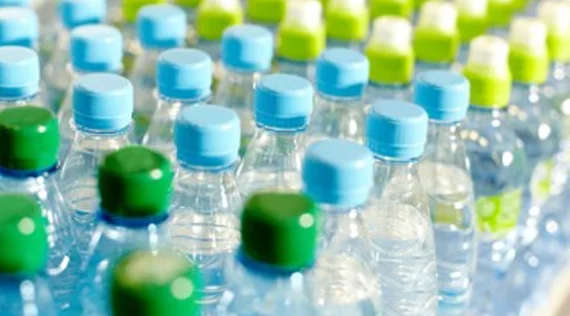
U.S. PET Bottle Emissions Intensity Could Fall 57% by 2050: NAPCOR
The U.S. PET beverage packaging industry could reduce life-cycle greenhouse gas emissions intensity by approximately 57% by 2050 while continuing to increase production, according to a new decarbonization roadmap released by the National Association for PET Container Resources.
By Paul Ploumis
Published September 16, 2026
Key Points
- Life-cycle greenhouse gas emissions intensity across the PET bottle systems studied could decline approximately 57% by 2050.
- Total annual emissions could fall about 42% even as PET beverage bottle production increases.
- The 16.9-ounce water bottle system could cut emissions intensity about 44% by 2035 compared with the 2023 baseline.
- Carbonated soft drink bottle systems could achieve reductions of approximately 35% to 43% by 2035.
- Lightweighting, renewable energy, manufacturing efficiency, stronger collection and increased recycled PET content are among the main reduction strategies.
MONTREAL (Scrap Monster): The U.S. PET packaging industry could substantially reduce its greenhouse gas footprint over the next three decades even as beverage bottle production continues to grow, according to a new decarbonization roadmap from the National Association for PET Container Resources.
The PET Forward: A Decarbonization Roadmap for the PET Packaging Value Chain was developed by independent environmental consultancy Eastern Research Group and examines how a combination of manufacturing, recycling and energy measures could lower emissions through 2050.
Roadmap Projects 57% Reduction in Emissions Intensity
The analysis projects that life-cycle greenhouse gas emissions intensity across the PET beverage bottle systems studied could fall by approximately 57% by 2050.
That figure measures the emissions associated with delivering packaged beverages across the full bottle life cycle rather than simply measuring total industry emissions.
Even with projected production growth, total annual greenhouse gas emissions from the systems studied could decline by approximately 42% by 2050.
The distinction is important: the 57% figure represents the projected reduction in emissions intensity, while the 42% figure reflects the modeled reduction in overall annual emissions despite higher production volumes.
Study Covers Four Major PET Beverage Bottle Systems
The roadmap examines four commonly used U.S. PET beverage packaging formats.
- 16.9-ounce water bottles
- 16.9-ounce carbonated soft drink bottles
- 20-ounce carbonated soft drink bottles
- 2-liter carbonated soft drink bottles
The analysis evaluates emissions across the bottle life cycle, including material production, manufacturing, transportation, recycling and end-of-life management.
Significant Reductions Could Arrive Before 2050
The roadmap indicates that substantial emissions reductions could occur well before the end of the forecast period.
For the 16.9-ounce PET water bottle system, emissions intensity could decline by approximately 44% by 2035 compared with the 2023 baseline.
The three carbonated soft drink bottle systems studied could achieve reductions ranging from approximately 35% to 43% over the same period.
Lightweighting and Energy Efficiency Offer Near-Term Gains
NAPCOR said several of the measures needed to reduce emissions are already available to the PET packaging industry.
Near-term improvements could come from continued bottle lightweighting, greater use of renewable energy and improvements in manufacturing efficiency.
Reducing the amount of PET resin required for each container lowers material demand and can also reduce energy and transportation impacts across the supply chain.
Recycling Becomes More Important Over Time
Deeper long-term emissions reductions will depend increasingly on the performance of the recycling system.
The roadmap identifies stronger collection and sorting systems, expanded recycling capacity and greater use of recycled PET, or rPET, as important components of the modeled pathway.
Improved access to high-quality recycled PET could reduce demand for virgin resin while keeping more PET material circulating through bottle-to-bottle and other recycling systems.
Collection and Processing Capacity Remain Critical
The roadmap makes clear that no single technology or manufacturing improvement is expected to deliver the full projected emissions reduction.
Packaging producers can continue improving bottle design, production efficiency and recycled content, but larger reductions also depend on broader improvements in collection, sorting and recycling infrastructure.
That places recyclers and material-recovery systems at the centre of the industry’s longer-term decarbonization strategy.
Coordinated Action Needed Across PET Value Chain
NAPCOR said achieving the modeled reductions will require coordination among resin producers, bottle manufacturers, beverage companies, recyclers, policymakers and other participants across the PET supply chain.
The roadmap also highlights the connection between emissions reductions and domestic recycling capacity. Expanding collection and processing could increase the supply of recycled PET available to U.S. manufacturers while reducing dependence on virgin material.
The findings suggest that higher production and lower emissions do not necessarily have to move in opposite directions. Under the modeled pathway, manufacturing efficiency, recycling and greater recycled-content use could allow PET beverage production to expand while both emissions intensity and total annual greenhouse gas emissions decline.