 By
Safaricom E-Waste Drive: Where Old Phones Go After Collection
Safaricom is encouraging Kenyans to surrender old phones, chargers and other small electronics at its retail shops by November 13, 2026. The initiative aims to recover reusable materials and prevent discarded devices from entering ordinary waste streams.
Key Points
- Collection deadline: Kenyans can drop off unwanted phones, chargers, earphones and other small electronics at Safaricom retail shops until November 13.
- Reuse and recycling: Safaricom's established WEEE Centre partnership supports sorting, refurbishment, dismantling and material recovery.
- No payment offered: The campaign is an e-waste collection initiative, not a device buy-back or trade-in programme.
SEATTLE (Scrap Monster): Safaricom has urged Kenyans to clear out unused mobile phones, chargers, earphones and other small electronic accessories as part of a nationwide collection drive aimed at reducing electronic waste.
The telecommunications company is accepting unwanted devices at Safaricom retail shops across Kenya until Friday, November 13, 2026.
Announced on November 6, the initiative encourages households and businesses to send obsolete electronics through organized collection channels rather than disposing of them with ordinary rubbish.
SCRAPMONSTER EDGE | E-WASTE RECYCLING
Collection Is Only the First Step in Recovering Value
The main recycling opportunity is not simply collecting more discarded electronics. It is identifying devices suitable for reuse and separating recoverable materials from components requiring specialized treatment.
According to GSMA, Safaricom's established recycling partner, the WEEE Centre in Nairobi, has historically processed up to 10 tonnes of e-waste monthly. That figure describes its reported operating activity, not the expected volume from this collection drive.
Industry takeaway: Retail collection networks can make responsible disposal more accessible. The environmental and commercial benefits depend on effective sorting, safe handling and verified downstream recycling or refurbishment.
What Happens to Devices After Collection?
Safaricom has an established partnership with the Waste Electrical and Electronic Equipment Centre (WEEE Centre), a licensed electronic waste handler in Nairobi. The company has also worked with other specialized recycling providers.
According to the GSMA, electronics entering the WEEE Centre are weighed, registered and sorted according to their condition and recovery potential.
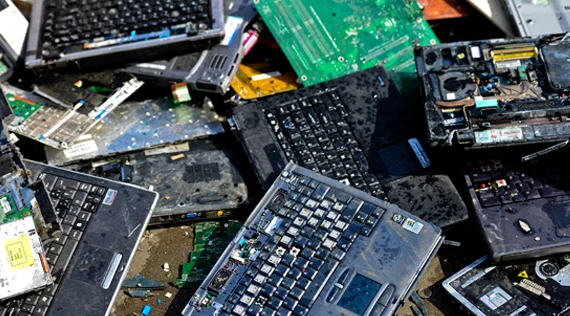
Functional equipment may be directed toward reuse or refurbishment. Devices that cannot be reused are dismantled so metals, plastics and other components can be separated for recycling or specialist treatment.
Some recovered materials are processed locally, while others are sent to specialized recycling partners abroad. The exact handling arrangements for every item collected during the November campaign have not been publicly detailed.
Recovering Copper, Aluminum and Reusable Plastics
Discarded electronics contain materials such as copper, aluminum, plastics and other metals that may be recovered and returned to manufacturing supply chains.
Safaricom's 2024 Sustainable Business Report describes its partnership with the WEEE Centre and the use of recovered materials in products including plastic chairs and poles.
However, electronic components cannot all be processed in the same way. Certain devices and batteries may contain hazardous substances that require controlled collection, dismantling and treatment.
Improper disposal or burning can release pollutants into the environment, creating risks to workers, communities and surrounding ecosystems.
Also Read: E-Waste Recovery Research Highlights Value of Reuse and Critical Metal Separation
How Kenyans Can Participate Before November 13
Members of the public can take unwanted mobile phones, chargers, earphones and other small electronic accessories to participating Safaricom retail shops nationwide.
Safaricom has confirmed that no monetary compensation will be provided for surrendered items. The initiative is intended for responsible disposal rather than resale or trade-in.
Before handing over a phone, users should back up important information, remove SIM and memory cards, sign out of personal accounts and perform a factory reset where possible.
Damaged or swollen batteries require special care. Users should avoid puncturing or dismantling them and seek guidance from collection staff about safe acceptance and handling.
The current collection exercise ends on Friday, November 13, 2026.
Sources: K24 Digital, November 6, 2026; GSMA, Safaricom E-Waste Partnership Case Study. Original reporting courtesy of K24 Digital.