 By
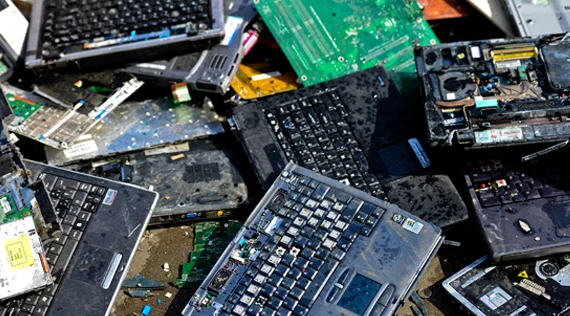
GSMA Expands Mobile E-Waste Recycling With RGX, Closing the Loop
GSMA Industry Services is working with RGX and Closing the Loop to expand mobile device recovery, equipment reuse and responsible recycling. The partnerships target unused electronic assets and discarded phones, combining environmental objectives with potential financial benefits for mobile operators.
By Paul Ploumis | Published November 12, 2026
Key Points
- GSMA partnerships: RGX and Closing the Loop are supporting device recovery, enterprise asset disposition and mobile phone recycling.
- Environmental impact: More than 1.2 billion new smartphones sold in 2024 generated over 60 million tonnes of CO2e during manufacturing.
- RGX marketplace: The U.S.-based initial offering connects organizations with recycling and asset recovery providers, with international expansion planned.
- One for One recycling: Closing the Loop links each participating new-device sale to the collection and recycling of an end-of-life phone.
MONTREAL (Scrap Monster): GSMA Industry Services is expanding its mobile device circularity efforts through partnerships with Recycle Global Exchange (RGX) and Closing the Loop, offering mobile operators new ways to recover value from redundant equipment and support responsible electronic waste recycling.
Announced on August 12, 2026, the partnerships address different parts of the mobile industry's waste stream. RGX provides an enterprise asset disposition marketplace, while Closing the Loop coordinates the collection and recycling of end-of-life mobile phones.
Smartphone Production Creates Major Recycling Challenge
Mobile technologies and services contributed $7.6 trillion to the global economy in 2025, according to GSMA Intelligence. That contribution is projected to reach approximately $11.3 trillion, or 8.4% of global GDP, by 2030.
Alongside this growth, mobile device manufacturing creates a substantial environmental burden. More than 1.2 billion new smartphones were sold worldwide in 2024, generating over 60 million tonnes of carbon dioxide-equivalent emissions during manufacturing, according to the GSMA report "Rethinking Mobile Phones: The Business Case for Circularity."
Many used phones remain unused in households, while others are discarded, potentially sending recoverable metals and other materials into landfills or incineration. Unsafe informal e-waste processing in lower-income countries also creates serious health and environmental risks.
The GSMA identifies three approaches to improving mobile device circularity: increasing recycled material and renewable energy use in manufacturing; extending device lifespans through repair, reuse, refurbishment and improved design; and responsibly recycling equipment that can no longer be reused.
For mobile operators, these measures can also offer commercial benefits. Reselling redundant devices and network equipment may recover residual asset value, while refurbishing and reusing existing equipment can reduce replacement purchases and associated capital expenditure.
RGX Partnership Targets Enterprise Asset Recovery
RGX operates a digital marketplace for enterprise asset disposition, connecting organizations with recycling and equipment recovery providers through an automated platform.
The service is designed to help operators manage surplus assets, obtain competitive bids and recover value from equipment that might otherwise remain in storage or be discarded.
The offering is initially available in the United States, with international expansion planned. RGX has already worked with AT&T on its retail e-waste collection initiative.
Through the GSMA partnership, the service is intended to reach a wider mobile ecosystem that includes more than 1,000 operators, equipment manufacturers and industry partners.
Closing the Loop Expands One for One Phone Recycling
Closing the Loop addresses device recovery through its One for One service, which links the sale of a new mobile phone by a participating company to the collection and responsible recycling of one end-of-life device.
The company focuses on collection in countries where formal electronics recycling infrastructure is limited, helping recover discarded devices that might otherwise enter informal waste channels.
Closing the Loop has worked with Vodafone Germany and T-Mobile Netherlands on programs involving collection and recycling of end-of-life phones in Africa. GSMA Industry Services plans to make the service available more widely across its global mobile ecosystem.
ScrapMonster Edge: Device Recovery Creates Commercial and Recycling Opportunities
The two partnerships address different commercial challenges. RGX focuses on recovering value from redundant enterprise assets, while Closing the Loop concentrates on collecting and recycling end-of-life phones in markets with limited formal recovery infrastructure.
Industry takeaway: Electronics recyclers and asset recovery providers may benefit from wider collection networks, but actual opportunities will depend on service contracts, material volumes, recovery performance and the economics of reuse versus recycling.
GSMA Calls for Wider Industry Participation
The partnerships form part of GSMA's broader efforts to help the mobile industry reduce electronic waste, extend equipment lifespans and limit the environmental impacts associated with material extraction and manufacturing.
In a November 11 article published by RCR Wireless News, Sianne Ryder, GSMA's Chief Executive Officer of Events and Industry Services, emphasized the need for greater collaboration and wider adoption of circular practices across the mobile ecosystem.
The GSMA's stated objective is to combine practical recovery services with commercial incentives that encourage operators and equipment suppliers to keep devices and valuable materials in productive use.
Original commentary: Sianne Ryder, Chief Executive Officer, Events and Industry Services, GSMA. Published as sponsored content by RCR Wireless News on November 11, 2026.
Courtesy: www.rcrwireless.com
