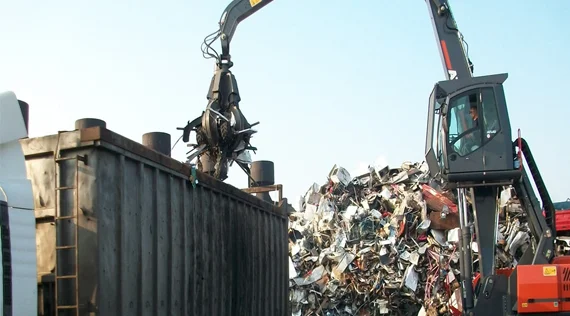
Informal e-waste recycling risks community health
E-waste Recycling | 2026-02-25 00:11:05
While informal recycling recovers some metals, the remaining hazardous components are typically discarded in landfills.
 By Paul Ploumis
SEATTLE (Scrap Monster): Within the framework of a circular economy, electronic waste recycling is vital for recovering rare materials. However, the rapid growth of informal small and medium-sized workshops — operating without proper technology or oversight — has created a public health emergency across the developing world.
1. Pollution driven by unsafe practices
Electronic devices, including mobile phones and televisions, contain hazardous substances such as lead, mercury, and cadmium. In many informal hubs, workers dismantle these units by hand without protective gear. To extract valuable copper, cables are frequently burned in the open air, while strong acids are used to separate precious metals.
These crude methods release toxic fumes and leave dangerous residues in the soil and water. This contamination often spreads far beyond the immediate site, poisoning surrounding ecosystems.
2. Serious health consequences
The human toll is significant. Exposure to heavy metals like lead can damage the nervous system and impair brain development. These substances are also linked to chronic kidney disease and cardiovascular failure.
Furthermore, burning plastics releases dioxins that increase the risk of respiratory illness and cancer. Children and pregnant women are particularly vulnerable; exposure at these sites is frequently linked to developmental delays and permanent neurological damage.
3. Lasting environmental damage
The ecological impact is equally alarming. Toxic waste seeps into groundwater, contaminating drinking water and agricultural land. Rivers near informal recycling centres often show lethal levels of heavy metals, devastating local fish stocks.
This is not merely a local issue. Air pollutants from open burning can travel vast distances, contributing to broader atmospheric degradation and harming biodiversity on a regional scale.
4. Barriers to sustainability
While informal recycling recovers some metals, the remaining hazardous components are typically discarded in landfills. This mismanagement undermines the core principles of sustainable resource use.
Experts argue that addressing the crisis requires a multi-pronged approach:
• Stronger regulations and standardised recycling systems.
• Strict enforcement of worker safety measures.
• Enhanced international cooperation to track the global movement of scrap.
Conclusion: While informal e-waste recycling provides essential income for many families, the environmental and biological costs are unsustainable. A viable future must balance economic opportunity with rigorous safety standards and robust environmental protection.
Courtesy: www.today.uic.edu