 By
By 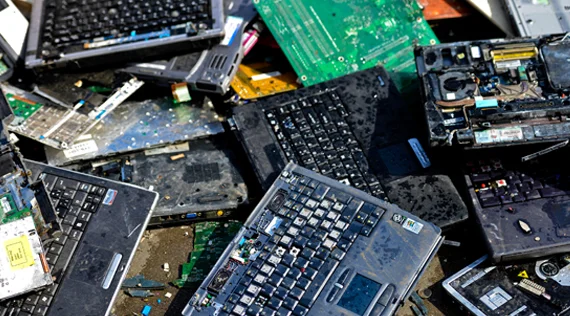
International E-Waste Day 2026 Targets the Fast Tech Waste Surge
International E-Waste Day returns October 14 with a new focus on “Fast Tech” — the billions of small, inexpensive electronic products that are easy to buy, easy to discard and increasingly difficult for formal recycling systems to capture.
By Paul Ploumis
Published October 12, 2026
Key Points
- International E-Waste Day: October 14, 2026.
- 2026 theme: “Fast Tech | Don’t bin it, bring it!”
- Global e-waste: 62 million tonnes generated in 2022.
- Formally collected and recycled: Only 22.3% of global e-waste.
- 2030 projection: E-waste generation is expected to reach 82 million tonnes.
- UK Fast Tech: About 1.14 billion items bought annually and 589 million discarded each year.
- Material opportunity: Global e-waste contained about 31 million tonnes of metals in 2022.
SEATTLE (Scrap Monster): International E-Waste Day will be marked worldwide on October 14, 2026, with organizers turning attention toward a category of electronic waste that is easy for consumers to overlook: small, inexpensive and often short-lived electronic products.
The WEEE Forum, which launched International E-Waste Day in 2018, has selected “Fast Tech | Don’t bin it, bring it!” as the theme for the ninth annual campaign.
Fast Tech includes items such as charging cables, earbuds, USB adapters, LED lights, mini fans, electronic toys and other low-cost electrical or battery-powered products that frequently end up in drawers or household garbage instead of formal e-waste collection systems.
ScrapMonster Exclusive: The Small Electronics Problem Is Really a Materials-Recovery Problem
The physical size of Fast Tech can hide the scale of the opportunity being lost. The latest Global E-waste Monitor estimates that 62 million tonnes of electronic waste were generated worldwide in 2022, but only 22.3% was documented as formally collected and recycled.
That leaves roughly 48 million tonnes outside documented formal recycling channels. Some equipment may be reused, stored or handled through informal channels rather than immediately discarded, but the gap shows how much electronic material remains beyond documented recovery systems.
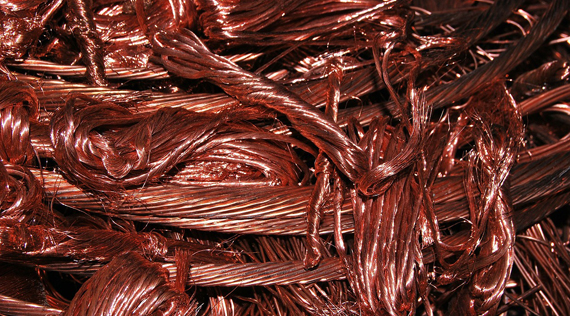
E-waste is also unusually metal-rich. The UN-backed study estimates that discarded electronics contained about 31 million tonnes of metals in 2022 — roughly half of the total e-waste stream by weight.
Those metals were valued at approximately US$91 billion, including an estimated US$19 billion of copper, US$15 billion of gold and US$16 billion of iron.
Fast Tech makes the recovery challenge harder because the material is spread across enormous numbers of very small products. A single charging cable, earbud or miniature electronic toy contains little recoverable material on its own. Multiply that across hundreds of millions of discarded devices and the economics become very different.
The challenge is therefore not simply recycling technology — it is collection. Recyclers cannot recover metals from devices that remain forgotten in homes or disappear into the municipal waste stream before reaching a proper processing facility.
Global E-Waste Reached 62 Million Tonnes
The Global E-waste Monitor 2024, prepared by the International Telecommunication Union and UNITAR, estimated that the world generated a record 62 million tonnes of e-waste in 2022.
That was equivalent to an average of 7.8 kilograms for every person on the planet.
Put another way, the amount would fill approximately 1.55 million 40-tonne trucks — enough vehicles to form a line around the Earth’s equator.
Only about 13.8 million tonnes, or 22.3%, was documented as formally collected and recycled in an environmentally sound manner.
Since 2010, e-waste generation has risen from 34 million tonnes to 62 million tonnes, while documented formal recycling increased much more slowly.
E-Waste Could Reach 82 Million Tonnes by 2030
The problem is expected to become significantly larger.
Global e-waste generation is projected to reach 82 million tonnes in 2030, approximately 20 million tonnes more than in 2022.
| Global E-Waste Indicator | Amount |
|---|---|
| E-waste generated in 2022 | 62 million tonnes |
| Formally collected/recycled in 2022 | 22.3% |
| Approximate documented formal recycling volume | 13.8 million tonnes |
| Projected e-waste in 2030 | 82 million tonnes |
| Growth from 2022 to 2030 | About 32% |
Under a business-as-usual scenario, the Global E-waste Monitor projects that the documented formal collection and recycling rate could decline to around 20% by 2030.
What Is Fast Tech?
The WEEE Forum uses the term Fast Tech to describe the rapidly expanding market for inexpensive electronic and electrical products that consumers frequently buy with little consideration of their end-of-life disposal.
Examples include:
- Earbuds and headphones
- Charging and USB cables
- USB adapters
- LED decorative lights
- Mini fans
- Electronic toys
- Small battery-powered accessories
- Disposable electronic devices such as single-use vapes
The name deliberately echoes “fast fashion.” The concern is that low prices and easy availability can encourage consumers to view electronics as disposable rather than durable products containing recoverable metals, plastics and other materials.
UK Consumers Buy More Than 1 Billion Fast Tech Items a Year
Research from UK nonprofit Material Focus illustrates the scale of the trend.
An estimated 1.14 billion Fast Tech products are purchased annually in the UK, roughly double the level recorded in 2023.
Consumer spending on the category increased from approximately £2.8 billion in 2023 to £11.6 billion.
At the same time, Material Focus estimates that about 589 million Fast Tech items are discarded every year.
That equals approximately:
- 11.3 million discarded items per week
- 1.6 million per day
- 19 items every second
The figures show why small electronics can become a large waste-management issue despite the low weight of each individual device.
Small Electronics Are Often Invisible as E-Waste
A broken refrigerator, television or washing machine is readily recognized as electronic waste.
A damaged cable or inexpensive pair of earbuds often is not.
Small electronics may instead be thrown in general waste, stored indefinitely in drawers or mixed with other household material.
This creates a collection problem before the products ever reach recyclers.
Europe provides a useful example. The European Commission has estimated that the collection rate for discarded mobile phones is below 5%, while around 700 million unused and waste mobile phones are stored in EU households.
Lithium Batteries Add a Fire Risk for Recyclers
Fast Tech can also create operational risks when products containing lithium-ion batteries enter ordinary waste systems.
Wireless earbuds, electronic toys, mini fans and other small devices may contain batteries that can ignite if crushed, punctured or damaged during collection and processing.
The WEEE Forum reported that 36% of e-waste operators surveyed through its Batteries Roundtable experienced a battery-related fire during the previous year.
That changes the Fast Tech issue from a lost-resource problem into a worker-safety and facility-risk issue as well.
Separating battery-containing electronics from general waste is therefore important not only for materials recovery but also for reducing fires in collection vehicles, sorting plants and recycling facilities.
Online Sales Complicate Producer Responsibility
The WEEE Forum has also highlighted the rapid growth of online sales as a structural challenge.
Under European WEEE rules, producers selling electrical and electronic equipment through distance-selling channels must register in the member states where their products are sold.
EU rules also require systems that allow consumers to return household electronic waste free of charge, with specific take-back responsibilities placed on producers and distributors.
The difficulty arises when overseas sellers or online-marketplace participants fail to register or contribute financially to national producer-responsibility systems.
When that happens, compliant manufacturers and recycling schemes can be left carrying costs associated with products placed on the market by companies outside the system.
Why Recyclers Care About the Metals Inside E-Waste
The 62 million tonnes of e-waste generated in 2022 contained approximately 31 million tonnes of metals.
| Material in Global E-Waste | Estimated 2022 Volume |
|---|---|
| Metals | 31 million tonnes |
| Iron and steel | Approx. 24 million tonnes |
| Aluminum | Approx. 3.9 million tonnes |
| Copper | Approx. 2.1 million tonnes |
| Plastics | 17 million tonnes |
| Other materials | Approx. 14 million tonnes |
Precious and critical metals occur in much smaller quantities by weight but can carry substantial economic and strategic importance.
That is one reason governments increasingly view e-waste not simply as a disposal problem but as a potential source of secondary raw materials.
International E-Waste Day Calls for Three Actions
The WEEE Forum is using the 2026 campaign to promote three practical actions.
- Recognize: Treat any unwanted device containing a plug, cable or battery as electronic waste rather than household garbage.
- Return: Use authorized collection points, retailer take-back programs or dedicated e-waste recycling locations.
- Demand compliance: Ensure that producers and online sellers participate in applicable producer-responsibility and recycling systems.
The goal is to prevent small electronics from disappearing into household garbage before recyclers have an opportunity to recover their materials.
What to Watch Next
Collection rates: Global e-waste generation is increasing considerably faster than documented formal recycling, making collection one of the industry's biggest unresolved problems.
Fast Tech volumes: Continued growth in low-cost electronics could increase the number of devices entering waste systems even if individual products become lighter.
Battery safety: Recyclers and waste operators will continue looking for better ways to identify and separate lithium-ion batteries before shredding or compaction.
Online marketplace compliance: Regulators are increasing scrutiny of sellers that place electronic products on national markets without contributing to producer-responsibility systems.
Critical-material recovery: Governments are increasingly examining e-waste as a domestic source of copper, precious metals and critical raw materials.
2030 trajectory: Without stronger collection and recycling systems, global e-waste is projected to reach 82 million tonnes by the end of the decade.
ScrapMonster Market Read: Fast Tech changes the e-waste problem because traditional recycling systems were largely built around products consumers recognize as appliances or electronics. The next challenge is capturing billions of small devices whose individual value appears insignificant but whose combined metal content, battery risk and sheer volume are not. For recyclers, the opportunity is substantial — but only if collection systems can get these products out of drawers and garbage bins and into the recycling stream.
Sources: WEEE Forum; International Telecommunication Union; UNITAR Global E-waste Monitor 2024; Material Focus; European Commission.