 By
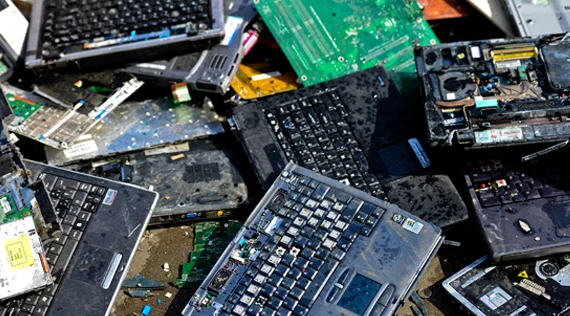
MONTREAL (Scrap Monster): A long-running student-led electronics recycling initiative in the Philippines is expanding its focus beyond awareness campaigns to include e-waste collection, urban mining, circular design and practical solutions for recovering value from discarded electronics.
The E-Waste Project, or TEP, is organized by UP Circuit, an academic organization based at the University of the Philippines Diliman Electrical and Electronics Engineering Institute.
Now in its 14th year, the initiative used its 2026 TEP Month and Electronics Sustainability Convention to promote responsible e-waste management under the theme “sTEPping Up: Advancing E-Waste Solutions for a Sustainable Digital Future.”
SCRAPMONSTER EDGE
The timing of the program is significant for the Philippine recycling sector. A new five-year UNIDO-backed national initiative beginning in 2026 is also targeting electronics take-back systems, repair and refurbishment, material recycling and urban mining. That places grassroots collection and education programs such as TEP alongside a broader effort to build a more formal circular-electronics system.
UP Circuit Expands E-Waste Awareness and Collection
TEP Month ran throughout July 2026 and combined education with direct collection of discarded electronics.
The program began with the return of the TEP Caravan to the FEU Institute of Technology on July 1.
On July 6, TEPTalks opened the main educational program with a webinar titled “Finding Invisible Value: Urban Mining for E-Waste.”
The session featured Engr. Wilssie Sanchez and Engr. Samantha Valdez and was broadcast through Facebook Live and Zoom.
Multi-Day Collection Drive Sends E-Waste to Partner Recyclers
TEP reopened its e-waste donation storage on July 22, 23 and 25, followed by additional collection dates from July 29 through July 31.
Collected electronics were sorted before being transferred to the project's partner recyclers for appropriate downstream handling.
The collection component addresses one of the most practical challenges in electronics recycling: getting unwanted devices out of homes, schools and offices and into recognized recovery channels.
Why Urban Mining Matters
Urban mining refers to recovering useful materials from discarded products and infrastructure rather than relying exclusively on newly mined raw materials.
Electronic devices can contain recoverable metals and components, making discarded electronics a potential secondary source of material when they are collected and processed properly.
For the recycling industry, the opportunity extends beyond waste diversion. Better collection and dismantling can help move useful components and secondary raw materials back into productive use.
ESCON 2026 Expands E-Waste Discussion
The second Electronics Sustainability Convention, or ESCON, was held August 29-30, extending the campaign beyond TEP Month.
The first day included symposium presentations by Renato Mabilin and Atty. Renee Co, followed by a roundtable discussion facilitated by Melissa Cardenas and Clarence Dela Cruz.
The second day featured symposium talks with Denvert Pangayao and Darwin Macalla, along with the conclusion of the Pitch Competition and the 3D E-Waste Upcycling Competition.
Students Develop Solutions to E-Waste Challenges
The ESCON Pitch Competition asked participants to develop and present proposed solutions to a case focused on the e-waste crisis.
Team BeBOTS of Paco Catholic School was named the 2026 champion among five participating groups.
The event also featured an Innovation Gallery displaying free-standing sculptures created for the 3D E-Waste Upcycling Competition.
The artwork “E-nitiate” by PCS Autobots received recognition from both judges and the public for its interpretation of the year's sustainability theme.
Philippines Builds Broader Circular Electronics Strategy
The student-led effort comes as the Philippines expands work on formal electronics recovery and circular-economy systems.
A new five-year Sustainable Electronics Management in the Philippines initiative backed by the United Nations Industrial Development Organization and the Global Environment Facility is scheduled to begin implementation in 2026.
The national program includes work on electronics repair and refurbishment, collection and take-back systems, reverse logistics, recycling and urban mining.
The program also aims to strengthen policies covering the circular electronics value chain and improve the reuse of functional devices and components.
INDUSTRY CONTEXT
The Philippines already has an established informal and formal e-waste recovery economy. The next challenge is connecting collection, safe dismantling, repair, reuse and material recovery into a more consistent system. Education programs can help at the front end by improving public awareness and increasing the flow of discarded electronics into legitimate recovery channels.
Philippines Remains Major Southeast Asian E-Waste Market
UNIDO has previously identified the Philippines as one of Southeast Asia's significant e-waste-generating countries.
The country's electronics sector, growing device use and shorter product replacement cycles make collection and safe downstream management increasingly important.
Past UNIDO and Philippine government programs have also focused on safer dismantling and formalizing e-waste recovery activities in communities around Metro Manila.
TEP Earns University Recognition
The University of the Philippines recognized The E-Waste Project in 2026 through its Gawad Pangulo public-service awards.
The recognition reflects the project's long-running work promoting proper electronic-waste disposal and sustainable management through collection drives, education and community engagement.
Market and Recycling Read
The most important industry takeaway from TEP's 2026 program is that e-waste management begins well before material reaches a recycler.
Public participation, convenient collection, sorting, repair, reuse and reliable downstream recycling all determine how much value can ultimately be recovered from discarded devices.
As the Philippines develops a broader circular-electronics strategy, initiatives such as TEP can help connect consumers and students with the formal recovery system while creating greater awareness of urban mining and secondary-material value.
SOURCES & METHODOLOGY
Event information was reviewed against UP Circuit, University of the Philippines and 2026 ESCON coverage. Broader industry context was checked against UNIDO and Global Environment Facility documentation for the Sustainable Electronics Management in the Philippines program.
Courtesy: www.manilastandard.net