The Growing Electronic Waste Problem: Why Our Old Gadgets Still Matter
E-waste Recycling | 2026-09-21 00:06:09
The growing pile of e-waste is a reminder that what we choose to do with our old electronics matters.
 By Paul Ploumis
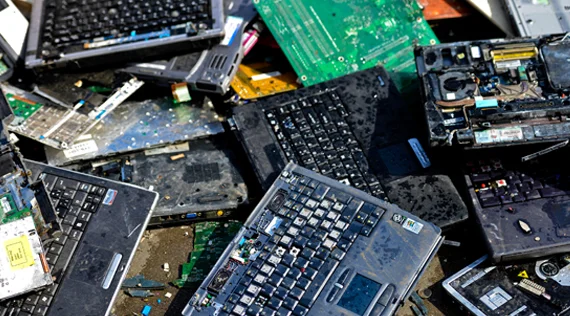
SEATTLE (Scrap Monster): Technology has become an essential part of everyday life. We rely on smartphones to communicate, laptops to work, tablets to entertain us, and countless other electronic devices to make daily tasks faster and easier. But as technology continues to advance, another problem is quietly growing alongside it: electronic waste.
Old phones, outdated laptops, broken tablets, unused chargers, headphones, gaming devices, and other gadgets are accumulating in homes around the world. Some remain forgotten in drawers and closets, while others are eventually thrown into regular household garbage. Because electronic waste is often out of sight, it can be easy to forget that these unwanted devices still have an environmental impact.
The growing pile of e-waste is a reminder that what we choose to do with our old electronics matters.
Why Electronic Waste Is Growing
People are replacing electronic devices more frequently than ever. New smartphone models arrive regularly, computers become outdated as software and hardware requirements change, and consumers are constantly introduced to new connected devices.
Sometimes a replacement is necessary. A laptop may no longer support essential software, a phone may have a damaged battery, or an appliance may simply stop working. In other cases, perfectly functional electronics are replaced because newer versions offer additional features or a different design.
This constant cycle of buying, replacing, and discarding creates a significant amount of electronic waste.
Unlike many other household products, electronics contain a mixture of valuable materials and components that require careful handling. They can include metals, plastics, glass, batteries, and other materials that should not simply be treated as ordinary garbage.
What Happens When Electronics Are Thrown Away?
Putting an old electronic device into the regular trash may seem like a convenient solution, but it can create unnecessary environmental concerns.
Electronic products can contain materials that require specialized recycling and disposal processes. When electronics are improperly discarded, there is a risk that harmful substances can enter the environment. At the same time, valuable materials inside those devices are lost instead of being recovered and reused.
This is particularly important because producing new electronics requires natural resources and energy. Metals and other raw materials must be extracted, processed, transported, and manufactured into new products.
Recycling old electronics can help recover some of these materials, reducing the need to continually rely on newly extracted resources.
In this sense, responsible e-waste management is not simply about getting rid of unwanted items. It is about recognizing that the materials inside our devices still have value.
The Environmental Value of Recycling Electronics
Electronic recycling can play an important role in creating a more sustainable approach to technology.
When old devices are processed through appropriate recycling programs, materials such as metals, plastics, and glass can potentially be recovered. These materials may then be used in the production of other goods rather than being permanently lost.
Recycling also provides a safer way to handle components that require specialized treatment.
However, recycling should not necessarily be the first option for every device. If an electronic product still works, extending its useful life can be an even more environmentally responsible choice.
A functioning phone could be passed to a family member. An older laptop might be donated or refurbished. A tablet that is no longer needed could find another user. Repairing a damaged device can also prevent it from becoming waste prematurely.
The longer a product remains useful, the more value can potentially be gained from the resources and energy that went into producing it.
Responsible Electronics Disposal in Calgary
For people who have electronics that genuinely have reached the end of their useful life, dedicated recycling programs provide a practical alternative to household garbage.
For example, residents looking for electronic recycling calgary options can turn to providers such as eCycle Solutions, which offers dedicated solutions for collecting and recycling unwanted electronic equipment.
This illustrates an important point: responsible electronic waste management does not have to be complicated. Dedicated recycling services give residents a place to take devices that should not simply be placed in the regular garbage.
Calgary is just one example. Communities in other cities and regions may have their own municipal programs, collection events, retailer take-back initiatives, or specialized recycling companies.
The best approach is to look locally and find out what options are available in your area.
How to Find Electronics Recycling Drop-Off Sites
One of the easiest steps consumers can take is to search for electronics recycling drop-off sites before deciding what to do with unwanted technology.
Local programs may accept different types of products, so it is useful to check their requirements ahead of time. Some may accept smartphones, computers, monitors, printers, tablets, televisions, accessories, and other electronic equipment, while others may focus on particular categories.
Making this small effort can prevent electronics from unnecessarily ending up in the garbage.
It is also important to remember that electronic devices may contain personal information. Before handing over a phone, laptop, tablet, or computer for recycling, users should back up important files and properly remove personal data.
Taking a few minutes to prepare a device can make the recycling process both more responsible and more secure.
We Can All Rethink How We Replace Technology
The electronic waste problem is ultimately connected to how we think about consumption.
A new device can be exciting, but replacing an old product does not mean the old product suddenly has no value. Before purchasing something new, it can be worth asking whether the existing device can be repaired, upgraded, reused, donated, or passed along to someone else.
When replacement is unavoidable, the next question should be where the old device should go.
Instead of leaving electronics forgotten in drawers indefinitely or throwing them into the regular trash, consumers can seek out dedicated recycling programs. These small actions help ensure that usable materials have an opportunity to be recovered and that electronics requiring specialized handling are managed appropriately.
Moving Toward a More Responsible Technology Culture
Electronic waste is easy to overlook because much of it begins as something useful. A smartphone may represent years of communication. A laptop may have supported a career or education. A tablet may have been part of countless family moments.
Eventually, however, every electronic device reaches the end of its useful life.
What happens next is part of our environmental responsibility.
We do not have to stop using technology to reduce electronic waste. Instead, we can become more thoughtful about how we buy, use, maintain, reuse, and dispose of our devices.
Extending product lifespans, choosing repair when practical, donating functional electronics, and using legitimate recycling programs can all contribute to a more responsible approach.
The next time an old phone, laptop, or gadget is sitting unused in a drawer, it is worth looking beyond the clutter. That device contains materials, resources, and components that do not necessarily belong in the trash.
A better destination may be closer than we think—and choosing it is one small but meaningful way to reduce the environmental footprint of our increasingly digital lives.
Courtesy: www.goodmenproject.com