ScrapMonster's Battery Safety Guide
ISRI Code : NA | Last updatedOctober 21, 2025 08:06:38 PM
Essential safety protocols for handling, storing, and transporting lead-acid batteries. Covers PPE, chemical hazards, regulatory requirements, emergency procedures, and best practices to protect people, facilities, and the environment.

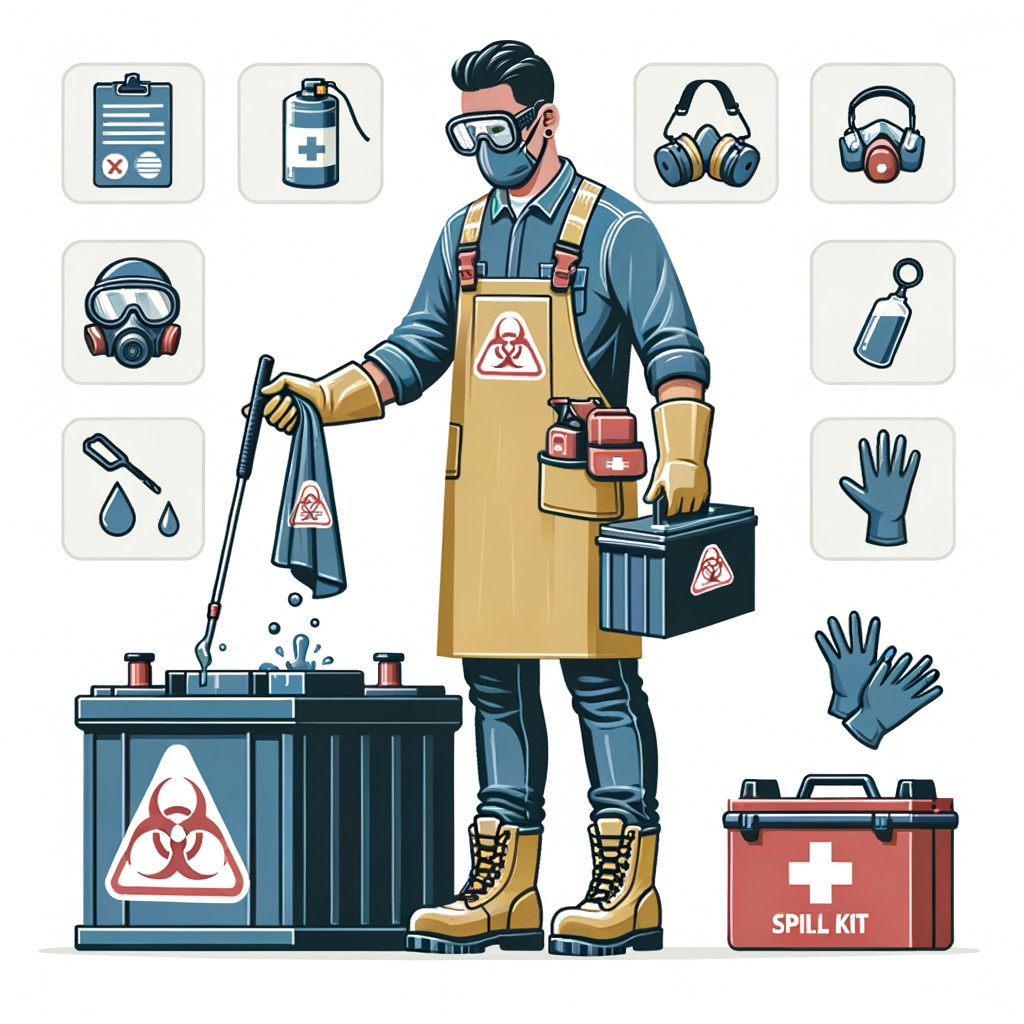
Summary Points
- Personal Protective Equipment: Eye, hand, body, foot, and respiratory protection specific to acid and lead exposure
- Chemical Hazards & First Aid: Sulfuric acid and lead exposure treatments and emergency response steps
- Safe Handling & Storage: Procedures for lifting, inspection, indoor/outdoor storage, containment, and maintenance
- Transportation Compliance: DOT classification (UN2794, UN2800), packaging, documentation, and vehicle requirements
- Emergency Procedures: Spill response, fire/explosion prevention, and medical emergency protocols
- Regulatory Compliance: OSHA lead standards, EPA universal waste rules, DOT hazmat training, and reporting obligations
- Training & Equipment: Required employee training programs, facility safety equipment, and maintenance schedules
ScrapMonster's Battery Safety Guide
Essential Safety Information for Lead-Acid Battery Handling, Storage, and Transportation
Overview
Lead-acid batteries contain hazardous materials including sulfuric acid electrolyte, lead compounds, and hydrogen gas. Proper safety procedures protect workers, facilities, and the environment while ensuring compliance with OSHA, EPA, and DOT regulations. This comprehensive guide covers all safety aspects of battery scrap handling operations.
Personal Protective Equipment (PPE)
Required PPE for Battery Handling
Eye and Face Protection:
- Chemical splash goggles (ANSI Z87.1 rated)
- Face shields when handling damaged or leaking batteries
- Emergency eyewash stations within 25 feet of work areas
- Contact lens restrictions in battery handling areas
Hand and Arm Protection:
- Chemical-resistant nitrile or neoprene gloves
- Elbow-length gloves for deep-cycle battery handling
- Cut-resistant gloves when handling broken cases
- Replace gloves showing signs of chemical degradation
Body Protection:
- Acid-resistant aprons or coveralls
- Long pants and long-sleeved shirts (minimum)
- Avoid synthetic fabrics that may melt from acid contact
- Change clothing immediately if acid contact occurs
Foot Protection:
- Chemical-resistant safety boots with steel toes
- Non-slip soles for wet conditions
- Avoid leather footwear in battery areas
- Boot covers for temporary workers
Respiratory Protection:
- N95 respirators minimum for dusty conditions
- Full-face respirators for confined spaces
- Supplied-air systems for enclosed battery rooms
- Fit testing and medical clearance required
Chemical Hazards and First Aid
Sulfuric Acid Exposure
Skin Contact:
- Remove contaminated clothing immediately
- Flush affected area with water for 15-20 minutes
- Do NOT neutralize with baking soda or other bases
- Seek medical attention for burns or persistent irritation
- Apply cold compresses while awaiting medical care
Eye Contact:
- Flush eyes with clean water for 15-20 minutes minimum
- Hold eyelids open to ensure complete flushing
- Remove contact lenses if easily removable
- Seek immediate medical attention
- Continue flushing en route to medical facility
Inhalation:
- Move victim to fresh air immediately
- Monitor breathing and provide oxygen if trained
- Do NOT induce vomiting if acid vapors inhaled
- Seek medical attention for respiratory distress
- Loosen tight clothing around neck and chest
Ingestion (Rare):
- Do NOT induce vomiting
- Rinse mouth with small amounts of water
- Give milk or water to dilute (if conscious)
- Seek immediate emergency medical care
- Provide SDS sheet to medical personnel
Lead Exposure Prevention
Exposure Routes:
- Inhalation of lead dust during battery breaking
- Skin contact with lead oxide paste
- Ingestion from contaminated hands or food
- Take-home exposure on contaminated clothing
Prevention Measures:
- Wet cutting methods to suppress dust
- HEPA filtration in work areas
- Regular blood lead level monitoring
- Separate eating areas away from work zones
- Proper hygiene and hand washing facilities
Safe Handling Procedures
Lifting and Moving Batteries
Manual Lifting:
- Use proper lifting techniques (squat, straight back)
- Never lift batteries by terminals or cables
- Two-person lifts for batteries over 60 pounds
- Battery lifting straps or specialized tools for large units
- Avoid lifting overhead or at arm's length
Mechanical Handling:
- Forklift attachments designed for battery handling
- Conveyor systems with containment for spills
- Hydraulic lifts for industrial battery removal
- Proper securing during transport operations
- Regular equipment inspection and maintenance
Battery Inspection
Visual Inspection Checklist:
- Case integrity and crack detection
- Terminal corrosion and damage assessment
- Electrolyte level and color changes
- Vent cap condition and proper seating
- External acid residue or staining
Testing Procedures:
- Voltage testing with digital multimeters
- Specific gravity testing of electrolyte
- Load testing for residual capacity
- Temperature monitoring during handling
- Documentation of inspection results
Storage Requirements
Indoor Storage
Facility Requirements:
- Concrete floors with acid-resistant coating
- Mechanical ventilation (6 air changes/hour minimum)
- Temperature control (32°F to 80°F optimal)
- Fire suppression systems (dry chemical or CO₂)
- Separate storage from flammable materials
Storage Configuration:
- Batteries stored upright whenever possible
- Wooden pallets or plastic skids for elevation
- Aisle spacing for emergency access
- Maximum stack height restrictions
- Clear identification and labeling systems
Containment Systems:
- Secondary containment for 110% of largest battery
- Acid-resistant materials (polyethylene, fiberglass)
- Drainage systems leading to treatment facilities
- Spill response equipment readily available
- Regular containment system inspection
Outdoor Storage
Weather Protection:
- Covered storage areas to prevent water infiltration
- Wind protection to prevent acid mist dispersion
- Ground covering to prevent soil contamination
- Freezing protection for liquid electrolyte
- Lightning protection systems
Environmental Controls:
- Runoff management and treatment systems
- Groundwater monitoring wells where required
- Air monitoring for lead and acid vapors
- Noise control during mechanical operations
- Buffer zones from residential areas
Transportation Safety
DOT Compliance
Classification:
- UN2794: Batteries, wet, filled with acid (hazardous)
- UN2800: Batteries, wet, non-spillable (limited quantity)
- Proper shipping names and hazard class labels
- Packaging group requirements (II or III)
Documentation:
- Hazardous materials shipping papers
- Emergency response information
- Driver training certificates
- Vehicle inspection reports
- Route planning and restrictions
Vehicle Requirements:
- Appropriate placarding (Class 8 Corrosive)
- Spill cleanup materials and neutralizing agents
- Fire extinguisher (minimum 4A:40BC rating)
- Emergency communication equipment
- Load securing and segregation requirements
Loading and Securing
Loading Procedures:
- Inspect vehicle for damage before loading
- Use proper lifting equipment and techniques
- Secure batteries to prevent movement
- Separate terminals to prevent short circuits
- Load distribution for vehicle stability
Securing Methods:
- Tie-down straps rated for battery weight
- Blocking and bracing systems
- Anti-slip mats and padding
- Terminal covers and insulation
- Regular security checks during transport
Emergency Procedures
Spill Response
Small Spills (Less than 1 gallon):
- Ensure area ventilation and PPE use
- Neutralize with lime or soda ash
- Absorb with compatible absorbent material
- Place waste in appropriate containers
- Decontaminate area with water flush
Large Spills (Greater than 1 gallon):
- Evacuate area and establish perimeter
- Contact emergency response team
- Prevent spread with berms or absorbents
- Do NOT enter spill area without proper PPE
- Document incident and notify authorities
Fire Emergency
Battery Fire Response:
- Evacuate area immediately
- Call fire department (911)
- Use dry chemical or CO₂ extinguishers only
- Do NOT use water on electrical components
- Provide SDS information to firefighters
Explosion Risk:
- Hydrogen gas accumulation in enclosed spaces
- Eliminate ignition sources immediately
- Increase ventilation if safely possible
- Monitor for hydrogen concentration
- Follow confined space entry procedures
Medical Emergencies
Acid Burns:
- Immediate copious water flushing
- Remove contaminated clothing
- Do NOT use neutralizing agents on skin
- Transport to medical facility promptly
- Continue irrigation during transport
Lead Exposure:
- Remove from exposure source
- Decontaminate if necessary
- Monitor for symptoms (headache, nausea)
- Blood lead testing if exposure suspected
- Follow medical surveillance protocols
Regulatory Compliance
OSHA Requirements
Lead Standard (29 CFR 1910.1025):
- Permissible exposure limit: 50 μg/m³ (8-hour TWA)
- Action level: 30 μg/m³ triggers medical surveillance
- Engineering controls and work practices
- Personal protective equipment requirements
- Medical surveillance and removal programs
Hazard Communication:
- Safety Data Sheets (SDS) readily available
- Container labeling requirements
- Employee training on chemical hazards
- Written hazard communication program
- Emergency contact information posted
EPA Regulations
RCRA Requirements:
- Universal waste management standards
- Generator status determination
- Manifest requirements for large quantities
- Storage time limitations (one year maximum)
- Transporter licensing and insurance
Clean Air Act:
- Lead emission standards and monitoring
- Fugitive dust control requirements
- Air operating permits where applicable
- Compliance testing and reporting
- New source performance standards
DOT Regulations
Hazmat Transportation:
- General awareness and function-specific training
- Safety training and security awareness
- In-depth security training requirements
- Recurrent training every three years
- Driver qualification and medical certification
Training Programs
New Employee Orientation
Basic Safety Training (4 hours minimum):
- Hazard recognition and assessment
- PPE selection and proper use
- Emergency procedures and evacuation
- First aid and emergency contacts
- Regulatory compliance overview
Specialized Training
Lead Awareness (Annual):
- Health effects of lead exposure
- Exposure control methods
- Medical surveillance requirements
- Personal hygiene practices
- Take-home exposure prevention
Hazmat Training (Every 3 years):
- DOT classification and packaging
- Shipping paper preparation
- Emergency response procedures
- Security awareness requirements
- Modal-specific requirements
Documentation Requirements
Training Records:
- Employee training completion dates
- Specific topics covered and duration
- Trainer qualifications and certifications
- Refresher training schedules
- Competency evaluation results
Medical Surveillance:
- Blood lead level testing results
- Medical examination records
- Biological monitoring data
- Medical removal records
- Return-to-work clearances
Equipment and Maintenance
Safety Equipment
Emergency Response:
- Eyewash stations with tepid water supply
- Safety showers with 20-minute capacity
- Spill response kits and neutralizing agents
- Emergency communication systems
- First aid supplies and AED units
Monitoring Equipment:
- Hydrogen gas detection systems
- pH meters for electrolyte testing
- Lead dust monitoring equipment
- Ventilation system monitoring
- Temperature and humidity recording
Maintenance Programs
Equipment Inspection:
- Daily PPE inspection checklists
- Weekly emergency equipment testing
- Monthly ventilation system checks
- Annual safety equipment calibration
- Documentation of all inspections
Facility Maintenance:
- Containment system integrity testing
- Drainage system cleaning and inspection
- Ventilation ductwork cleaning
- Emergency lighting system testing
- Fire suppression system maintenance
Quality Control and Documentation
Record Keeping
Required Documentation:
- Employee training records (30 years)
- Medical surveillance records (30 years)
- Exposure monitoring data (30 years)
- Incident and accident reports
- Equipment inspection and maintenance logs
Regulatory Reporting:
- OSHA Form 300 injury and illness log
- EPA universal waste annual reports
- DOT hazmat incident reporting
- State environmental reporting
- Local emergency planning notifications
Audit and Compliance
Internal Audits:
- Monthly safety inspection programs
- Quarterly compliance assessments
- Annual program effectiveness reviews
- Corrective action implementation
- Management review and approval
External Inspections:
- OSHA compliance inspections
- EPA facility inspections
- DOT transportation audits
- Insurance carrier assessments
- Third-party safety consultations
Resources and References
Emergency Contacts
- Fire/Police/Medical Emergency: 911
- National Poison Control: 1-800-222-1222
- CHEMTREC (24-hour): 1-800-424-9300
- OSHA Hotline: 1-800-321-OSHA
- EPA National Response Center: 1-800-424-8802
Additional Information
- ScrapMonster Lead Battery Pricing
- ScrapMonster Scrap Yard Directory
- ScrapMonster Safety Videos
- ScrapMonster Marketplace
- ScrapMonster News and Market Updates
This guide is updated regularly to reflect current regulations and best practices. For the latest safety information and market intelligence, visit ScrapMonster.com - your comprehensive resource for scrap metal trading and safety information.
Last Updated: October 2025
Frequently Asked Questions
- How should lead-acid batteries be stored to prevent leaks and hazards?
Batteries must be kept upright on acid-resistant flooring, with containment for spills and proper ventilation. Regular inspections and use of labeled secondary containment systems are essential. Explore our Scrap Yard Directory for certified facilities.
- How do I access current lead battery scrap prices and market news?
Visit the ScrapMonster Lead Battery Pricing Page and Market News Section for live updates and analysis.
- What first aid steps should be taken for acid burns or exposure?
Immediately flush affected skin or eyes with water for 15–20 minutes, remove contaminated clothing, and seek medical attention. Our guide provides detailed emergency response instructions.
- Where can I find more resources and support for battery safety?
For up-to-date best practices, market intelligence, and emergency contacts, visit ScrapMonster.com—your comprehensive scrap industry resource.
Related Materials
356 Aluminum Wheels (Clean)
356 Aluminum Wheels (Clean) are high-value non-ferrous scrap materials sourced from vehicle wheels. To maximize…
6061 Extrusions
Extruded Aluminum Alloy 6061 is a medium to high strength aluminum alloy. It is one…
6063 Extrusions
6063 Aluminum Extrusions are in high demand for their architectural strength, finishing versatility, and superior…
Alternator Scrap
Alternator scrap from cars and trucks is a high-value source of copper and steel. Learn…