Global Softwood Market to Face Supply Shortfall Through 2035
Rubber and Wood | 2026-09-14 05:53:17
Global softwood roundwood production in 2025 was close to its 25-year average, following a decline from the record level reached in 2021.
 By Paul Ploumis
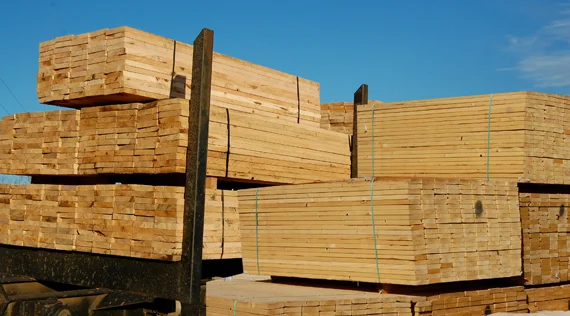
SEATTLE (Scrap Monster): Global softwood markets are heading toward a tighter supply environment, with roundwood availability projected to grow by only around 0.5% annually through 2035, according to the Global Softwood Roundwood Supply Outlook by Håkan Ekström and Glen O’Kelly.
The outlook indicates that demand for softwood timber will continue expanding, driven by construction, packaging and biomass applications. This is expected to outpace the modest increase in the availability of roundwood.
RELATED NEWS:
U.S. softwood lumber wholesale prices reach highest level in nearly three years
North America softwood lumber market update: Q2 2026
Global softwood roundwood production in 2025 was close to its 25-year average, following a decline from the record level reached in 2021. There has been a major change in supply patterns as well. North American output has fallen nearly 20% since 2000, while Europe/Russia and other regions have each recorded gains of roughly 18%.
The U.S. South is likely to remain as the major contributor of additional supply. Canada may see a modest recovery after years of declining harvests, although output is unlikely to return to earlier levels. Europe faces greater limitations because harvesting in several areas is already close to sustainable levels.
Russia possesses considerable unused resources, but geopolitical uncertainty, infrastructure gaps and restricted market access are expected to limit development. The Latin America and Asia-Pacific regions are likely to see production gains, although climatic events continue to pose threats.
POLL
What will be the biggest challenge for the global softwood market through 2035?
Frequently Asked Questions
- How fast is global softwood roundwood supply expected to grow through 2035?
Global roundwood availability is projected to increase by only about 0.5% annually. This relatively slow growth could make it difficult for supply to keep pace with expanding demand.
- What is driving demand for softwood timber?
Construction remains an important source of demand, while packaging and biomass applications are also contributing to consumption growth. Continued activity in these sectors is expected to increase pressure on timber resources.
- Which region is expected to contribute the most new softwood supply?
The U.S. South is expected to be the leading source of additional supply. Favorable forest conditions and available resources give the region greater potential for production growth than many other major producing areas.