'We're resilient': Maine businesses brace for new round of Canadian tariffs
Rubber and Wood | 2026-09-09 05:18:20
He believes businesses in border states and provinces, including Maine, will feel the squeeze of both sets of tariffs the most.
 By Paul Ploumis
SEATTLE (Scrap Monster): Canada is officially striking back in the trade war with the United States.
Our northern neighbors are issuing counter-tariffs on $20 billion worth of goods from Canada, matching the U.S. dollar for dollar.
These tariffs, which Canada announced two weeks ago, took effect at 12:01 a.m. Tuesday.
The goods targeted include steel, perfume, video game consoles, golf clubs, fishing rods, steel, aluminum, even jackets and t-shirts.
It covers about 6 percent of last year’s U.S. exports to Canada.
“A trade war is not good for business either way,” tariff consultant Kyle Peacock said.
Peacock advises American and Canadian companies on tariff mitigation and compliance.
He believes businesses in border states and provinces, including Maine, will feel the squeeze of both sets of tariffs the most.
Peacock says he's already noticed layoffs in Canada, and he expects some businesses to shut down entirely.
“If it’s too expensive to ship product to Canada now, they’re laying people off and saying, ‘We’ll ship to different markets.’ But less demand means less production, which means less employees,” Peacock said.
Small Maine businesses like Smiling Hill Farm and Hillside Lumber are getting caught in the crossfire.
Michael Knight co-owns both of them.
He believes the farm can sustain itself, since it mostly sells its milk domestically.
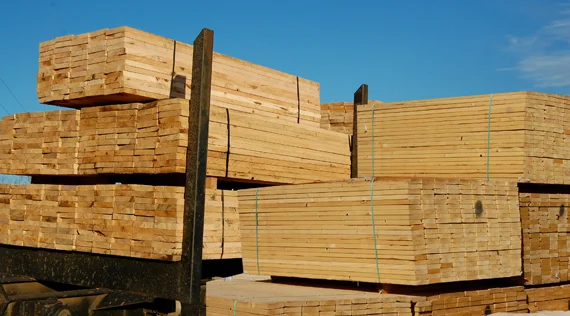
But he's more concerned that increased costs for Canadian construction materials will strain Maine's lumber industry.
“I just want to be treated fairly, and I’m sure they want to be treated fairly,” Knight said. “And let’s get the two powers together and see if we can get this worked out.”
Knight is confident local Maine businesses can survive the tariffs with support from the public.
“We’re resilient,” Knight said. “We’ll find other avenues to export our cheese in the meantime. If the tariffs ever come off, Canada might be buying their cheese somewhere else, and the United States will probably be selling their cheese to some other country.”
Peacock cautions that the tariffs will likely remain in place until at least the midterms, maybe longer.
He also expects the tariffs will be increased before negotiations pick back up.