BIR: Global Ferrous Scrap Prices Decline on Softer Turkish Demand
Metal Recycling News | 2026-07-13 11:34:19
Across Europe, Germany's steel mills continued to report steady scrap demand, although supply remained constrained.
 By Paul Ploumis

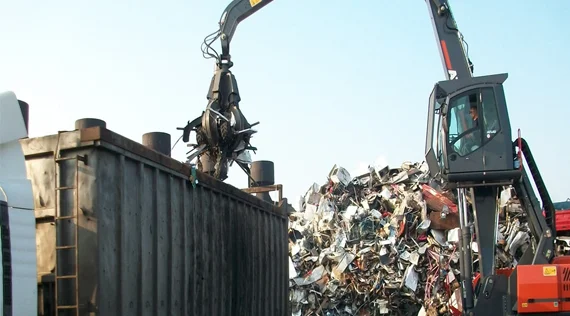
SEATTLE (Scrap Monster): The global ferrous scrap market experienced a notable price decline during the second quarter of 2026 as Turkey, the world's largest scrap importer, reduced its purchasing activity, according to the latest quarterly report released by the Bureau of International Recycling (BIR).
The July 2026 World Mirror on Ferrous Metals highlights that Turkey's demand weakened following the Ramadan holiday due to reduced steel consumption, declining rebar prices, and higher mill inventories. This led to reduced import activity, causing downward pressure on international scrap prices.
In Northern Europe, exporters reported that HMS 80/20 scrap prices declined bthe y roughly 7% during June. The slowdown in Turkish buying resulted in redirection of shipments to alternative destinations such as Morocco and Spain.
ALSO READ:
BIR Convention Highlights Robust Recycling Growth Amid Global Threats
BIR Gothenburg 2026 Highlights Global Recycling Trade Challenges
Across Europe, Germany's steel mills continued to report steady scrap demand, although supply remained constrained. In the United Kingdom, domestic competition for scrap remained strong despite weaker export prices.
The U.S. market continued to benefit from healthy steel demand, although seasonal factors are expected to keep scrap price movements relatively stable during the coming months.
Asian markets remained under pressure. China's steel exports declined during the first five months of the year, while weak steel demand led to reduced scrap imports in India and Bangladesh. Also, Japanese buyers remained cautious due to elevated prices.
POLL
What is the biggest factor influencing the global ferrous scrap market right now?
Frequently Asked Questions
- Why did global ferrous scrap prices decline during Q2 2026?
The primary reason was weaker import demand from Turkey, where lower steel consumption, falling rebar prices, and higher mill inventories reduced scrap purchasing activity.
- How did weaker Turkish demand affect European exporters?
Northern European HMS 80/20 scrap prices declined by around 7% in June, prompting exporters to redirect cargoes to alternative markets such as Morocco and Spain.
- What were the key trends in the U.S. ferrous scrap market?
The U.S. continued to benefit from healthy steel demand, although seasonal factors are expected to keep scrap prices relatively stable in the coming months.