 By
Georgia E-Waste Recycling Efforts Grow as Software Obsolescence Raises Concerns
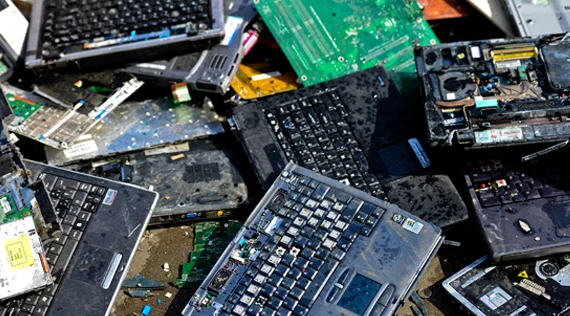
Georgia recycling advocates are warning that discontinued software support and improper electronics disposal are adding to the e-waste problem. Atlanta-area recycling centers have collected nearly 200,000 pounds of electronics in 2026, while consumer groups are pushing for stronger federal repair rights.
By Paul Ploumis | Published November 12, 2026
Key Points
- Software obsolescence: U.S. PIRG estimates that discontinued software and cloud services could account for up to 1.7 billion pounds of electronic waste since 2014.
- Local recycling: Atlanta-area CHaRM facilities reported collecting nearly 200,000 pounds of electronics in 2026 through early November.
- Repair legislation: The proposed federal Fair Repair Act would expand access to repair information, replacement parts and tools.
- Environmental concerns: Improper e-waste disposal and recycling can release hazardous substances while preventing valuable metals from being recovered.
SEATTLE (Scrap Monster): Electronics recycling advocates in Georgia are raising concerns about the growing volume of discarded electronic devices, particularly products that become obsolete when manufacturers discontinue software updates or cloud-based services.
According to CBS News Atlanta, Georgia PIRG consumer associate Lindsay Juhlin highlighted the role of software obsolescence in generating electronic waste and called for stronger consumer repair protections.
The World Health Organization (WHO) identifies electronic waste as one of the world's fastest-growing solid waste streams. It warns that improper recycling and disposal can expose workers and communities to hazardous substances, including lead and mercury.
Discontinued Software Support Adds to E-Waste
Research from the U.S. PIRG Education Fund estimates that discontinued software updates and terminated cloud services could account for up to 1.7 billion pounds of electronic waste associated with affected products since 2014.
The group's Electronic Waste Graveyard research identifies devices that lose essential functionality when manufacturers discontinue software support or connected services, even when the underlying hardware remains operational.
The estimate is based on product-sales information, device weights and modeling assumptions, rather than a direct measurement of discarded electronics.
Consumer advocates argue that longer software support periods and better access to repairs could help extend device lifespans and reduce premature replacement.
Federal Fair Repair Act Seeks Greater Repair Access
Georgia PIRG and other consumer organizations are supporting federal right-to-repair legislation intended to make electronic devices easier to maintain and repair.
The Fair Repair Act, introduced in February 2026 by U.S. Representatives Joe Morelle and Marie Gluesenkamp Perez, would require manufacturers of covered digital electronic equipment to make repair documentation, diagnostic information, parts and tools available to consumers and independent repair businesses on fair and reasonable terms.
The legislation remains proposed and has not established new nationwide repair requirements.
Juhlin argued that consumers should be able to continue using the electronic products they purchase rather than replace equipment solely because manufacturers discontinue essential support.
ScrapMonster Edge: Software Lifespans Affect Electronics Recovery
Electronic equipment can lose practical value before its physical components fail. Discontinued software support may reduce opportunities for refurbishment and resale, potentially pushing otherwise functional devices toward material recycling or disposal.
Industry takeaway: Electronics recyclers and IT asset recovery businesses should evaluate devices for safe reuse, repair and refurbishment before material recovery. Software support, data security, battery handling and recoverable metal content all influence the appropriate processing route.
Georgia Recycling Centers Collect Nearly 200,000 Pounds
In metro Atlanta, nonprofit organization Live Thrive operates the Center for Hard to Recycle Materials (CHaRM), providing dedicated collection services for electronic equipment and other materials requiring specialized recycling.
Emma Dufresne, a program manager with Live Thrive, told CBS News Atlanta that approximately 200 to 500 visitors use each of the organization's two recycling locations on operating days.
She estimated that the facilities had collected nearly 200,000 pounds of electronics during 2026 through the time of the November report. Live Thrive works with electronics recycler Nova Solutions as part of its collection operations.
At the organization's Decatur-area location, resident Noreen Cochran described bringing unwanted electronics, CDs and DVDs for responsible disposal rather than placing them in household trash.
The collection program provides an example of how community-based recycling facilities can help divert electronic equipment from conventional waste disposal channels.
E-Waste Recycling Recovers Metals and Reduces Disposal Risks
Electronic devices can contain valuable materials, including copper and other recoverable metals, alongside components that require careful handling.
Improper disposal or informal processing can release hazardous substances into soil, water and air, according to WHO guidance.
Responsible electronics recovery therefore requires more than collecting unwanted devices. Appropriate handling, reuse assessment, battery management and specialized downstream processing are important to recovering valuable materials while limiting environmental risks.
The combination of repair access and organized collection programs offers two complementary approaches to reducing electronic waste: extending the useful life of equipment and responsibly recovering materials when reuse is no longer practical.
Original reporting: Rashad Williams, CBS News Atlanta, November 12, 2026.
Courtesy: www.cbsnews.com
