 By
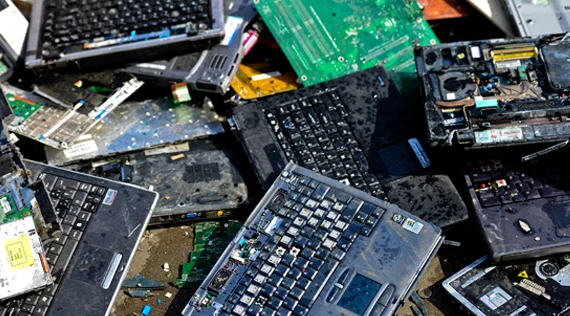
Reducing electronic waste begins well before equipment reaches a recycling facility. Businesses can conserve valuable materials and avoid unnecessary expenditure by reconsidering how they purchase, maintain, share and replace electronic equipment.
SEATTLE (Scrap Monster): The environmental cost of modern technology extends far beyond the electricity consumed by electronic devices. Manufacturing, transportation, raw material extraction and eventual disposal all contribute to a product's environmental footprint.
While electronics recycling remains essential, businesses can also address waste generation through more deliberate equipment purchasing and lifecycle management.
The Environmental Cost of Frequent Technology Upgrades
According to the Global E-waste Monitor 2024, published by the International Telecommunication Union (ITU) and the United Nations Institute for Training and Research (UNITAR), the world generated approximately 62 million metric tonnes of electronic waste in 2022. Only 22.3% was documented as formally collected and recycled.
Discarded electronics contain recoverable materials, including copper, aluminum and precious metals, alongside substances requiring specialized handling. Improper disposal can create environmental and occupational health risks, while manufacturing replacement equipment consumes additional energy and raw materials.
Businesses can complement conventional recycling efforts through five practical equipment management strategies.
1. Evaluate Whether Equipment Really Needs Replacing
New technology can deliver meaningful operational improvements, but replacing functional equipment does not always offer sufficient environmental or financial benefits.
Before approving an upgrade, businesses should assess existing performance, identify specific operational limitations and determine whether maintenance or targeted improvements could meet their requirements.
Equipment that remains accurate, reliable and compliant with applicable standards may have considerable useful life remaining.
2. Rent Specialized Equipment for Temporary Projects
Rental arrangements offer an alternative to permanent ownership when businesses require specialized equipment for occasional inspections, temporary installations or short-term testing.
Telecommunications technicians, for example, may require fiber optic test instruments for network installation, troubleshooting and certification. When evaluating rental equipment, businesses should consider calibration records, compatibility, technical support and project duration.
The environmental benefits of rental arrangements depend on equipment utilization, transportation requirements, maintenance practices and the availability of suitable instruments.
3. Extend Equipment Life Through Preventive Maintenance
Regular maintenance can reduce premature equipment failures and improve operational reliability. Businesses should maintain equipment inventories covering asset condition, age, servicing history and calibration requirements.
Scheduled inspections can help identify damaged cables, storage problems and developing technical faults before they require extensive repairs or replacement.
Specialized instruments should continue to meet manufacturer-recommended calibration, servicing and safety requirements throughout their operating lives.
4. Consider Refurbished Electronics and Equipment Reuse
Professionally refurbished electronics can provide a practical alternative to newly manufactured equipment, preserving the value of existing components and materials.
Purchasers should verify testing procedures, calibration status, warranty coverage, software compatibility and the availability of replacement parts and technical support.
Refurbishment is appropriate only when equipment continues to meet the organization's operational, technical and safety requirements.
5. Incorporate Waste Prevention Into Procurement Policies
Formal procurement procedures can help organizations evaluate environmental considerations consistently, rather than relying on individual purchasing decisions.
Before purchasing electronic equipment, businesses should consider the following questions:
- Can existing equipment meet the operational requirement?
- Would rental or shared access provide a suitable alternative?
- Are repair services and replacement components available?
- Could refurbished equipment meet the required performance standards?
- How long will the manufacturer provide product support?
- Are responsible recycling or manufacturer take-back programs available?
Considering the entire equipment lifecycle allows businesses to assess purchasing decisions beyond initial acquisition costs.
New equipment remains necessary when it provides essential capabilities or addresses legitimate safety and performance requirements. In other circumstances, maintenance, refurbishment and shared access can reduce unnecessary consumption while supporting operational efficiency.
Courtesy: www.emagazine.com