BMI Revises 2025 Copper Price Forecast Amid Supply Constraints and Strong Demand
Copper | 2025-10-15 19:18:24
This is mainly on account of persistent supply disruptions and resilient industrial demand, it said.
 By Paul Ploumis

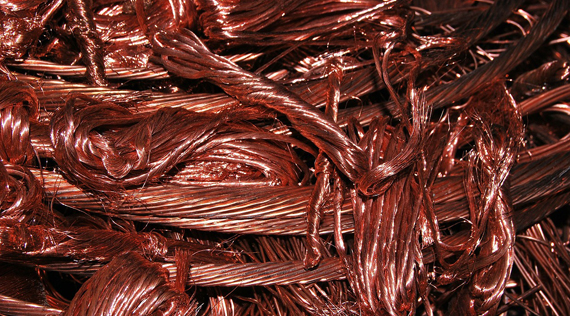
SEATTLE (Scrap Monster): BMI Research has increased its 2025 average copper price forecast to $9,650 per tonne, up from the previous projection of $9,500 per tonne, citing persistent supply disruptions and resilient industrial demand.
Copper prices, which averaged $9,609 per tonne, are currently trading above $10,000 per tonne, driven by factors such as U.S. interest rate cuts and geopolitical tensions, particularly renewed trade confrontations between the U.S. and China.
China remains the dominant driver of global copper consumption, fueled by its rapid green energy expansion. The Shanghai Futures Exchange (SHFE) copper inventories stood at 26,800 tonnes at the end of September, a multi-year low, compared with 160,800 tonnes in March 2025, largely due to surging demand from renewable energy and electric vehicle sectors.
BMI highlighted that supply disruptions across major producers—including Freeport-McMoRan’s Grasberg mine, Codelco’s El Teniente mine, and the Collahuasi mine jointly owned by Anglo American and Glencore—are expected to continue supporting higher copper prices.
Looking ahead, BMI concluded that global copper supply growth is likely to lag behind demand, creating a sustained market deficit in the coming years.
Industry Implications:
Recyclers: Expect tighter scrap supply and potential premium pricing.
Manufacturers: Rising input costs may squeeze margins on copper-intensive goods.
Traders: Persistent volatility offers short-term opportunities but longer-term risk if demand cools.
Read More:
Global copper supply challenges
China’s green energy metal demand
Copper price impact on recycling
EXPLORE MORE ON SCRAPMONSTER.COM
Live Pricing Dashboard
Latest Industry News
Historical Price Charts
Regional Price Comparison
Marketplace
POLL
What do you think poses the biggest risk to the long-term copper market?
Frequently Asked Questions
- What factors are driving current copper prices above $10,000 per tonne?
- Prices are being supported by U.S. interest rate cuts, geopolitical tensions, and renewed trade confrontations between the U.S. and China.
- How is China influencing global copper consumption?
- China is the dominant driver of copper demand, driven by rapid green energy expansion. SHFE inventories fell to 26,800 tonnes in September, a multi-year low, from 160,800 tonnes in March 2025, mainly due to renewable energy and EV growth.
- Which copper supply disruptions are affecting the market?
- Major mines facing disruptions include Freeport-McMoRan’s Grasberg mine, Codelco’s El Teniente mine, and the Collahuasi mine owned by Anglo American and Glencore. These disruptions are expected to continue supporting higher copper prices.
- Which mines are affected?
- Grasberg, El Teniente, and Collahuasi face operational constraints.
- How does this affect scrap recyclers?
- Scrap copper will likely command higher buy prices as refiners compete for feedstock.