 By
By 
BlueScope No. 6 Blast Furnace Reline Nears Late-2026 Start-Up at Port Kembla
BlueScope Steel is approaching a major operational milestone at its Port Kembla Steelworks, with the A$1.15 billion reline and upgrade of the No. 6 Blast Furnace nearing completion and start-up targeted for late 2026.
By Paul Ploumis
Published October 5, 2026
Summary Points
- BlueScope is targeting late 2026 start-up of the relined No. 6 Blast Furnace at Port Kembla Steelworks.
- The reline and upgrade was approved at an expected total cost of approximately A$1.15 billion.
- The project is designed to secure future ironmaking capacity as the existing No. 5 Blast Furnace approaches the end of its operating campaign.
- Strong performance from No. 5 gives BlueScope flexibility in determining the final cutover timing.
- The No. 6 furnace is intended to act as a bridge while lower-emissions ironmaking technologies mature.
- BlueScope is separately studying DRI-electric smelter furnace technology through the NeoSmelt joint venture.
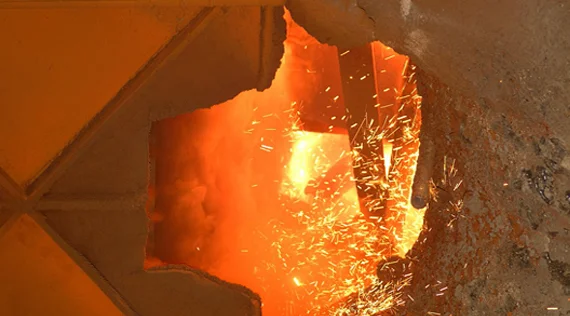
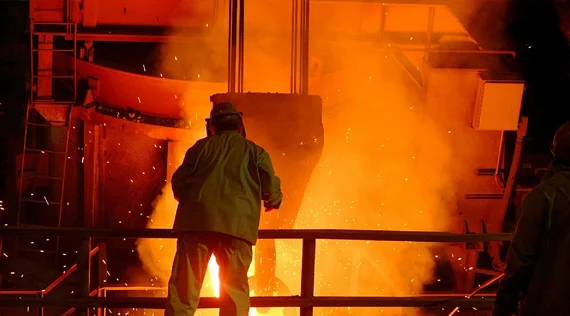
MONTREAL (Scrap Monster): BlueScope Steel Limited is nearing completion of one of the most important projects in its Australian manufacturing program, with the relined No. 6 Blast Furnace at Port Kembla Steelworks targeted to begin operating in late 2026.
The project is designed to secure the steelworks' future ironmaking capacity as the existing No. 5 Blast Furnace moves toward the end of its operating campaign.
BlueScope's latest project update says No. 5 continues to perform strongly, giving the company flexibility over the timing of the transition to the upgraded No. 6 unit.
A$1.15 Billion Project Secures Port Kembla Ironmaking
BlueScope's board approved the comprehensive reline and upgrade of No. 6 Blast Furnace in 2023 at an expected total cost of approximately A$1.15 billion.
The project is broader than a conventional furnace reline and includes refurbishment, modernization and environmental improvements across the furnace and supporting infrastructure.
No. 6 had previously been placed into care and maintenance after operating for approximately 15 years. Returning the furnace to service gives BlueScope an alternative ironmaking unit as No. 5 reaches the end of its current campaign.
The company says the project is critical to maintaining flat-steel manufacturing capability at Port Kembla and supporting the long-term future of steelmaking in the Illawarra region.
SCRAPMONSTER EDGE
The No. 6 project is best viewed as a continuity investment rather than BlueScope's final decarbonization solution. It preserves large-scale ironmaking at Port Kembla while giving the company time to develop, test and commercialize alternative technologies that could eventually replace conventional blast-furnace production.
No. 5 Blast Furnace Provides Cutover Flexibility
Port Kembla currently relies on the No. 5 Blast Furnace for primary ironmaking.
BlueScope had previously estimated that the furnace would reach the end of its operating campaign sometime between 2026 and 2030, depending on its condition, reliability and safe operating performance.
Its continued strong performance now gives BlueScope more flexibility in deciding when to transfer production to the relined No. 6 furnace.
That reduces the need for a rigid cutover date and allows commissioning of the new unit to be coordinated with operating conditions at the steelworks.
Reline Is a Bridge to Lower-Emissions Ironmaking
BlueScope does not present the No. 6 reline as its long-term low-emissions steelmaking technology.
Instead, the company describes the furnace as a bridge to future lower-emissions ironmaking, allowing Port Kembla to maintain production while next-generation technologies continue to develop.
The reline includes modernization measures intended to improve operating and environmental performance, but conventional blast-furnace ironmaking will remain the underlying production route.
BlueScope has said the project does not necessarily commit Port Kembla to operating the furnace for its entire potential campaign life if commercially viable lower-emissions technology becomes available earlier.
NeoSmelt Study Examines DRI-Electric Smelter Route
Alongside the blast-furnace project, BlueScope is progressing work on alternative ironmaking technologies.
The company is participating in the NeoSmelt joint venture with BHP, Rio Tinto, Mitsui Iron Ore Development and Woodside Energy.
The project is studying a pathway combining Direct Reduced Iron (DRI) with an Electric Smelter Furnace (ESF) using Australian Pilbara iron ores.
BlueScope says the DRI-ESF route is one of the technologies being examined for lower-carbon ironmaking at Port Kembla.
A feasibility study for the NeoSmelt project is progressing.
Why EAF Steelmaking Alone Is Difficult at Port Kembla
Electric arc furnace steelmaking is another lower-emissions route used widely in markets with sufficient scrap and competitively priced electricity.
BlueScope has previously cautioned that replacing Port Kembla's large-scale flat-steel operations entirely with scrap-fed EAF production would be challenging under current Australian conditions.
The company has cited the availability and cost of suitable scrap, as well as electricity prices, among the constraints.
That makes technologies capable of using Australian iron ores, including DRI combined with electric smelting, particularly relevant to Port Kembla's longer-term transition.
Project Forms Part of Major Australian Investment Program
The No. 6 Blast Furnace reline is one of several large projects being delivered across BlueScope's Australian manufacturing network.
The company is nearing the end of a five-year investment program of approximately A$2 billion aimed at strengthening production resilience and expanding higher-value steel capacity.
Other projects include the Port Kembla Plate Mill upgrade and a new metal coating line in Western Sydney supporting products including COLORBOND and TRUECORE steel.
BlueScope said in its FY2026 results that its major projects had moved through the peak capital-expenditure period and were progressing toward commissioning and operational execution.
Port Kembla Remains Central to Australian Flat Steel
The reline is strategically important because Port Kembla remains a core part of Australia's domestic flat-steel manufacturing base.
The site supplies steel used across construction, infrastructure, manufacturing and other industrial markets.
Maintaining a reliable source of molten iron is therefore essential to keeping downstream steelmaking and rolling operations functioning while BlueScope evaluates longer-term production technologies.
The No. 6 Blast Furnace provides that continuity without requiring the company to wait for emerging lower-emissions technologies to reach commercial scale.
Market Read
BlueScope is now moving from the construction-heavy phase of the No. 6 Blast Furnace project toward commissioning and operational execution.
Late 2026 remains the target for start-up, but strong performance from No. 5 Blast Furnace provides flexibility over the precise transition schedule.
The key distinction is that the project secures ironmaking continuity rather than representing the final stage of Port Kembla's decarbonization strategy.
The longer-term transition will depend on the development of technologies such as DRI-electric smelting, together with access to competitive renewable power, suitable raw materials, hydrogen or transitional gas supply and supportive policy settings.
For now, the No. 6 furnace gives BlueScope time to make that transition while preserving domestic steelmaking capacity at Port Kembla.