Steel Price Volatility Report: Hot-rolled vs Cold-rolled vs Rebar Trends
Steel News | 2025-12-26 10:52:28
Steel pricing volatility affects the entire ferrous scrap ecosystem, with different steel product categories creating distinct demand patterns and price relationships. Understanding these dynamics helps predict scrap market movements and optimize timing strategies.
 By
By 
Steel pricing volatility affects the entire ferrous scrap ecosystem, with different steel product categories creating distinct demand patterns and price relationships. Understanding these dynamics helps predict scrap market movements and optimize timing strategies.
Steel Product Category Overview
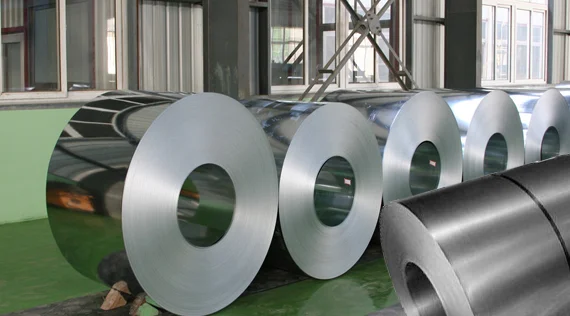
The steel industry produces distinct product categories that each drive different scrap demand patterns and pricing relationships. Hot-rolled, cold-rolled, and rebar represent three major categories with unique market dynamics and scrap consumption patterns.
Current Steel Product Pricing (October 2025):
Hot-Rolled Coil (HRC): $725-$775/ton
Cold-Rolled Coil (CRC): $875-$925/ton
Rebar: $685-$735/ton
HMS #1 Scrap: $395-$425/ton
These relationships create different margin structures for steel producers, directly affecting their scrap procurement strategies and willingness to pay premium pricing for specific grades.
Track steel product pricing relationships and their scrap market impacts through ScrapMonster's steel market analysis and detailed reporting in our news section.
Hot-Rolled Steel Market Dynamics
Hot-rolled steel serves as the base product for most other steel applications, making HRC pricing a fundamental indicator for the entire steel complex. HRC demand patterns directly influence scrap consumption at integrated mills and electric arc furnaces.
HRC Market Characteristics:
Automotive Applications: Body panels, structural components, wheels
Construction Uses: Structural steel, pipe, tube applications
Manufacturing Base: Appliances, machinery, industrial equipment
Export Markets: International trade in both finished products and raw materials
Scrap Consumption Patterns: HRC production typically consumes 25-30% scrap in integrated mills and 90-95% scrap in electric arc furnaces. This high scrap intensity makes HRC pricing particularly sensitive to scrap availability and cost.
Volatility Factors:
Automotive production cycles and model changeovers
Construction activity and infrastructure spending
International trade policies and tariff structures
Raw material costs including iron ore and coking coal
Energy costs affecting production economics
Cold-Rolled Steel Premium Markets
Cold-rolled steel commands premium pricing due to additional processing requirements and higher-quality end applications. CRC demand patterns often differ from hot-rolled markets, creating distinct scrap demand characteristics.
CRC Applications:
Automotive: Body panels requiring superior surface finish
Appliances: Washers, dryers, refrigerators requiring smooth surfaces
Industrial: Precision components requiring tight tolerances
Construction: Architectural applications requiring appearance quality
Scrap Quality Requirements: CRC production demands higher-quality scrap inputs to achieve surface finish and mechanical property requirements. This creates premium pricing for clean, low-residual scrap grades.
Market Premiums: CRC typically trades $100-$200/ton above HRC pricing, reflecting additional processing costs and quality requirements. These premiums vary with demand cycles and capacity utilization.
Rebar Construction Market Integration
Rebar pricing connects directly to construction activity patterns, creating seasonal and cyclical demand variations that affect scrap markets differently than other steel products.
Rebar Demand Drivers:
Residential Construction: Housing starts and completion rates
Commercial Building: Office, retail, and industrial construction
Infrastructure: Highway, bridge, and municipal projects
International Development: Emerging market construction activity
Seasonal Patterns: Rebar demand exhibits strong seasonal patterns with peak demand during spring and summer construction seasons. This seasonality creates predictable scrap demand cycles.
Scrap Grade Preferences: Rebar production can utilize lower-grade scrap inputs compared to flat-rolled products, creating specific demand for HMS #2, shredded steel, and mixed ferrous grades.
Volatility Comparison and Patterns
Historical Volatility Analysis (12-Month Period):
HRC Volatility: 18.5% standard deviation
CRC Volatility: 16.2% standard deviation
Rebar Volatility: 22.1% standard deviation
HMS #1 Scrap: 24.3% standard deviation
Rebar shows highest volatility due to construction seasonality and project-based demand patterns. Scrap pricing volatility exceeds finished product volatility due to inventory adjustments and speculation.
Correlation Analysis:
HRC-Scrap Correlation: 0.847
CRC-Scrap Correlation: 0.692
Rebar-Scrap Correlation: 0.731
HRC pricing shows strongest correlation with scrap pricing, reflecting the direct production relationship and high scrap consumption rates in HRC production.
Regional Variations and Mill Strategies
Integrated Mill Strategies: Large integrated mills with blast furnace capacity can substitute between scrap and iron ore/coke, creating flexibility in scrap procurement that affects pricing relationships.
Mini-Mill Operations: Electric arc furnace-based mini-mills depend entirely on scrap feedstock, creating more direct pricing relationships between finished products and scrap costs.
Regional Capacity: Areas with concentrated steel production capacity typically maintain stronger scrap pricing due to local competition for feedstock supplies.
Economic Indicators and Leading Signals
Leading Indicators for Steel Demand:
Manufacturing PMI readings
Construction spending data
Automotive production schedules
Infrastructure investment announcements
International trade policy developments
Lagging Indicators:
Steel inventory levels
Capacity utilization rates
Import/export statistics
Producer price indices
Monitor these indicators through ScrapMonster's market intelligence to anticipate steel and scrap price movements.
Impact on Scrap Yard Operations
Inventory Management: Understanding steel product cycles helps optimize scrap inventory timing and reduces carrying costs during price declines.
Grade Optimization: Different steel products create distinct demand patterns for specific scrap grades, enabling grade-specific timing strategies.
Customer Relationships: Building relationships with mills producing different steel products provides diversification and pricing stability.
Future Outlook and Technology Impacts
Electric Arc Furnace Growth: Increasing EAF market share raises overall scrap intensity of steel production, potentially supporting long-term scrap demand.
Automotive Lightweighting: Vehicle weight reduction may reduce scrap generation from automotive sector while maintaining steel demand for other applications.
Green Steel Initiatives: Environmental regulations and carbon pricing may favor scrap-intensive production routes, supporting scrap pricing relative to iron ore-based production.
Infrastructure Investment: Government infrastructure spending programs create multi-year rebar demand that supports stable scrap pricing for construction-focused grades.
Stay informed about steel market developments and their scrap implications through ScrapMonster's comprehensive market coverage and subscribe to our YouTube channel for video analysis of steel-scrap relationships.
Frequently Asked Questions
- Which steel product pricing best predicts scrap price movements?
Hot-rolled coil pricing shows the strongest correlation with scrap prices due to high scrap consumption rates and broad market applications. Track this relationship via ScrapMonster pricing analysis.
- How do seasonal construction patterns affect scrap pricing?
Spring and summer construction activity drives rebar demand, typically creating 5-10% scrap price increases during peak construction months, with weakness during winter shutdowns.
- Do mini-mills or integrated mills offer better scrap pricing?
Mini-mills typically offer more competitive scrap pricing due to 90-95% scrap dependence, while integrated mills have more flexibility to substitute between scrap and iron ore feedstocks.
- How do automotive production cycles affect scrap demand?
Model changeovers and production slowdowns create temporary weakness in flat-rolled steel demand, while new model launches drive increased steel and scrap consumption.
- What steel price spread indicates good scrap market conditions?
When finished steel prices exceed scrap costs by $300-400/ton or more, mills typically operate profitably and maintain competitive scrap procurement, supporting scrap pricing.
- How do international steel trade policies affect domestic scrap prices?
Steel tariffs and import restrictions typically strengthen domestic steel pricing, which supports domestic scrap demand and pricing through improved mill margins and capacity utilization.