Canada Clarifies Intent Behind New Steel-Derivative Tariffs
Steel News | 2025-11-27 11:37:43
It must be noted that the clarification comes at a crucial time in the trade relationships between the two countries.
 By Paul Ploumis

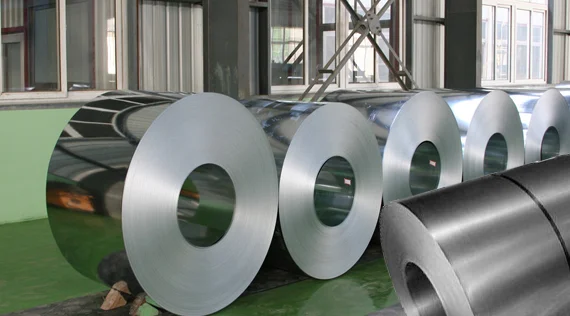
SEATTLE (Scrap Monster): Canadian Prime Minister Mark Carney has addressed rising concerns surrounding the country’s newly implemented tariffs on steel-related products, emphasizing that the measures are not designed to target or pressure the United States. The statement seeks to counter speculation over the motive behind Canada’s updated tariff framework and to reinforce the country’s commitment to stable bilateral trade relations.
Carney’s remarks arrive at a sensitive moment in Canada-U.S. trade dynamics, particularly within the steel sector, where industry stakeholders are watching closely for potential retaliatory actions or policy shifts. The clarification underscores the government’s intention to maintain transparency while supporting domestic manufacturing competitiveness.
ALSO READ:
US-EU Trade Talks Link Steel Tariffs to EU Tech Rules
Top Industry Groups Pledged Strong Support for Trump's Steel Tariffs
The announcement follows Canada’s recent overhaul of its steel trade policy, which includes a 25% global tariff on select imported steel-derivative products. The government also reduced import quota limits from non-FTA nations to 20% of previous allowances, down from 50%, in a bid to protect domestic producers from market distortions.
Analysts note that Canada’s position reflects the broader challenge of balancing protectionist measures with the need to sustain strong international partnerships. The government reaffirmed that while safeguarding national industry is essential, preserving positive trade relationships—especially with the United States—remains a priority.
POLL
Do you believe Canada’s clarification that its steel-derivative tariffs are not meant to pressure the U.S.?
Frequently Asked Questions
- Why did Canada issue clarification on its new steel-derivative tariffs?
Prime Minister Mark Carney clarified the policy to address concerns that the tariffs were intended to pressure the United States, emphasizing that this is not the case.
- What recent changes did Canada make to its steel trade policy?
The government imposed a 25% global tariff on targeted steel-derivative imports and reduced import quotas from non-FTA countries to 20% of previous levels.
- Why is the clarification considered significant?
It comes during a sensitive period in Canada-U.S. trade relations, helping prevent potential misconceptions and easing diplomatic tension.