Silver Outperforms Gold in 2025 on Robust ETF Inflows, Industrial Demand
Silver | 2026-01-14 10:09:55
According to BMI, a unit of Fitch Solutions, inflows into silver exchange-traded funds (ETFs) increased significantly during the year.
 By Paul Ploumis

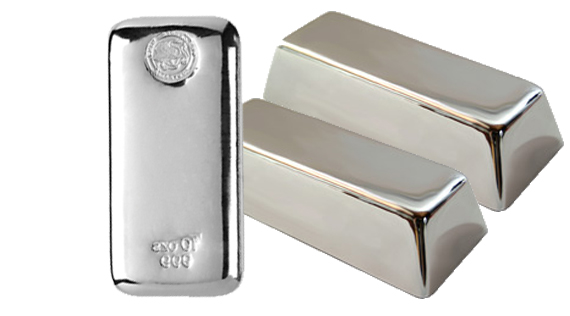
SEATTLE (Scrap Monster): Gold outperformed most commodities in 2025, but it trailed fellow precious metals silver and platinum, which recorded sharp gains of 143% and 137%, respectively. Silver prices were driven higher by robust industrial demand and strong retail investment, pushing prices toward $80 per ounce for the first time on record.
According to BMI, a unit of Fitch Solutions, inflows into silver exchange-traded funds (ETFs) increased significantly during the year. At the same time, rising consumption from solar panel manufacturing and electric vehicle (EV) production tightened the physical silver market to unprecedented levels. BMI expects the resulting silver market deficit to continue through 2026, primarily supported by elevated investment demand.
RELATED NEWS
What's driving the rollercoaster in gold and silver prices?
Why are gold and silver prices hitting record highs?
BMI noted that as non-yielding assets, silver and platinum benefited from global interest rate cuts and indirectly from high gold prices, which made both metals appear relatively inexpensive across investment portfolios, jewellery, and industrial applications.
Despite these supportive factors, analysts warned that price volatility remains elevated. Non-commercial speculative positioning continues to dictate short-term price movements, while central bank demand, a key driver of gold prices, plays little role in the silver market.
On the supply side, China’s restrictions on physical silver exports since January have tightened inventories, adding further pressure to the global market.
POLL
Which factor is likely to have the biggest influence on silver prices in 2026?
Frequently Asked Questions
- How did gold perform relative to other precious metals in 2025?
Gold outperformed most commodities but lagged behind silver and platinum, which posted much stronger gains.
- What drove silver prices higher in 2025?
Robust industrial demand, strong retail and ETF investment, and tightening physical supply supported the rally.
- What is BMI’s outlook for the silver market?
BMI expects the silver market deficit to persist through 2026, supported mainly by elevated investment demand.