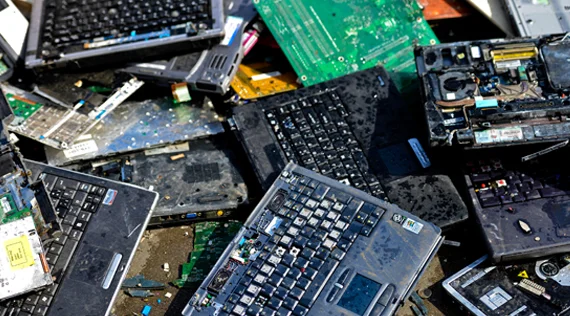
Global Plastic Waste Trade Raises Microplastic Pollution Risks
Plastic Recycling | 2026-09-17 06:37:21
The study warned that poorly controlled recycling operations can release plastic particles during shredding, grinding and washing.
 By Paul Ploumis

SEATTLE (Scrap Monster): Global trade in plastic waste could be contributing to the growing problem of microplastic pollution, especially when exported materials are handled through poorly controlled waste-management systems, according to a new research review published in npj Emerging Contaminants.
According to the review, as much as 60% of internationally traded waste may be mismanaged. Researchers estimate that about 15% of traded plastic waste could eventually break down into microplastics over a decade if mismanaged. The report identified flexible films, multilayer laminates, sachets and mixed-material packaging as extremely challenging waste streams mainly because of their complex composition.
ALSO READ:
AEPW Advances Global Plastic Waste Strategy 2030
Turkiye Boosts National Strategy to Fight Plastic Waste Menace
Scientists associated with the UK Centre for Ecology & Hydrology’s iLEAPS program, the Basel Action Network in Malaysia, and the International Global Atmospheric Chemistry project conducted the research.
The global waste-trade routes have changed following China’s 2018 restrictions on waste imports. Plastic scrap exports have increasingly moved toward Southeast Asia, Turkey, Mexico and parts of Africa, researchers noted.
The study warned that poorly controlled recycling operations can release plastic particles during shredding, grinding and washing. It recommends greater use of monomaterials, fewer unnecessary multilayer structures, improved supply-chain traceability and stronger extended producer responsibility (EPR) systems.
POLL
Which measure could most directly help reduce microplastic risks from traded plastic waste?
Frequently Asked Questions
- How can international plastic waste trade contribute to microplastic pollution?
Poorly managed plastic waste can fragment into smaller particles during storage, disposal and recycling. Processes such as shredding, grinding and washing may release plastic particles when appropriate environmental controls are lacking.
- Which plastic waste streams are particularly difficult to manage?
Flexible films, multilayer laminates, sachets and mixed-material packaging are among the most challenging streams. Their complex structures can make separation, recycling and material recovery more difficult.
- How have global plastic waste trade routes changed?
Following China's 2018 restrictions on waste imports, plastic scrap exports increasingly shifted toward destinations in Southeast Asia, Turkey, Mexico and parts of Africa, according to the research review.