BIR: Freight Volatility Threatens Recovered Paper Profitability
Paper Recycling | 2026-06-01 06:51:42
The market sentiment continues to remain affected by weak industrial demand in Europe and North America, particularly from the packaging and graphic paper sectors.
 By Paul Ploumis

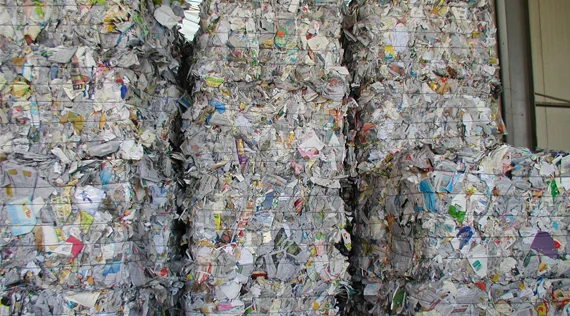
SEATTLE (Scrap Monster): The latest World Mirror Quarterly Report published by the Bureau of International Recycling (BIR) Paper Division states that the global recovered paper industry faces several threats to industry profitability, including freight volatility, a shift in trade flows, and tighter regulations.
The report highlights a significant transformation in the global recovered paper trade. Countries such as India, Indonesia, Vietnam, Thailand, and Malaysia have become key destinations for exporters from Europe and North America. However, buyers across Asia are seen adopting cautious purchasing strategies.
ALSO READ:
BIR Session to Focus on Changing Stainless Steel Trade Dynamics
BIR Gothenburg 2026 Highlights Global Recycling Trade Challenges
The market sentiment continues to be affected by weak industrial demand in Europe and North America, particularly from the packaging and graphic paper sectors. The limited recovered paper generation has prevented a sharp correction in old corrugated containers (OCC) and higher-grade recovered paper prices.
Freight disruptions in connection with the ongoing Middle East conflict have resulted in shipping delays. Freight rates have recorded increases of up to 70% on routes. Additionally, smaller operators with less diversified logistics networks are reportedly losing market share to larger players.
Traders expect further obstacles on account of the newly announced EU Waste Shipment Regulation.
POLL
What is the biggest challenge currently facing the global recovered paper industry?
Frequently Asked Questions
- What are the main threats facing the recovered paper industry?
Freight volatility, changing trade flows, weak industrial demand, and stricter regulations are the primary challenges affecting industry profitability.
- Why is market sentiment currently weak?
Demand from packaging and graphic paper industries in Europe and North America remains subdued, limiting market growth.
- How have freight disruptions affected the industry?
Ongoing Middle East-related shipping disruptions have caused delays and increased freight rates by as much as 70% on some routes.