BHP Wins Approval for $14.7B Escondida Copper Expansion
Mining News | 2026-07-07 14:35:59
The expansion is part of the company’s broader strategy to significantly increase its global copper production to more than 2 million tonnes annually by the middle of the next decade.
 By Paul Ploumis

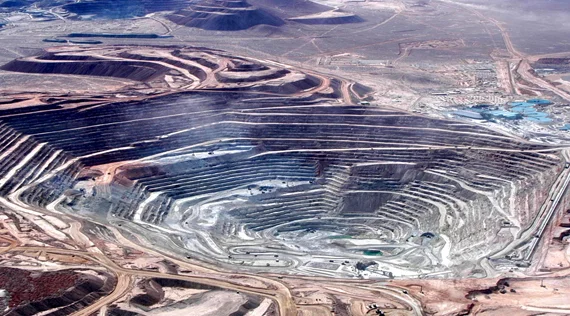
SEATTLE (Scrap Monster): BHP has received a key environmental approval to go ahead with a major expansion project at its Escondida copper mine in Chile. The expansion outlines investments of up to $14.7 billion over the coming years.
The approval, granted by Chile's Antofagasta Environmental Assessment Commission, allows the company to begin early development work, including upgrades to sulphide leaching facilities and electricity infrastructure. This initial phase is expected to require an investment of about $1.3 billion.
ALSO READ: BHP Targets Major Copper Exploration in Zambia Amid Rising Demand
The expansion is part of the company’s broader strategy to significantly increase its global copper production to more than 2 million tonnes annually by the middle of the next decade. The company is investing heavily in Chile as aging mines and declining ore grades require substantial upgrades to sustain production.
In addition to the Escondida project, BHP recently submitted plans to restart and expand the Cerro Colorado copper mine through a $1.5 billion investment. Earlier this year, it also proposed constructing a new concentrator plant at Escondida, at an estimated investment of around $5.9 billion.
The latest approval marks another major step in strengthening Chile's position as a leading global copper producer.
Escondida is the world's largest copper mine, with BHP owning a 57.5% stake. Rio Tinto holds 30%, while a consortium of Japanese companies owns the remaining interest.
POLL
What is the primary objective of BHP's Escondida expansion project?
Frequently Asked Questions
- What approval did BHP receive?
BHP obtained environmental approval to begin a major expansion of its Escondida copper mine in Chile.
- How much will BHP invest in the Escondida expansion?
The company plans to invest up to $14.7 billion, with the initial phase costing about $1.3 billion.
- Who owns the Escondida copper mine?
BHP holds a 57.5% stake, Rio Tinto owns 30%, and a consortium of Japanese companies owns the remaining share.