BIR Malaga 2026: How EU Export Restrictions Threaten Metal Recyclers
Metal Recycling News | 2026-10-28 06:43:55
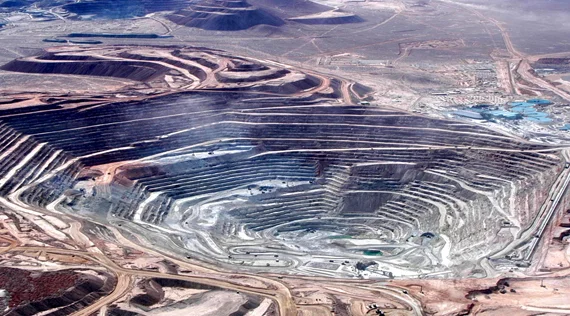
Recycled copper accounted for approximately one-third of the raw materials used in global copper production in 2024.
 By Paul Ploumis
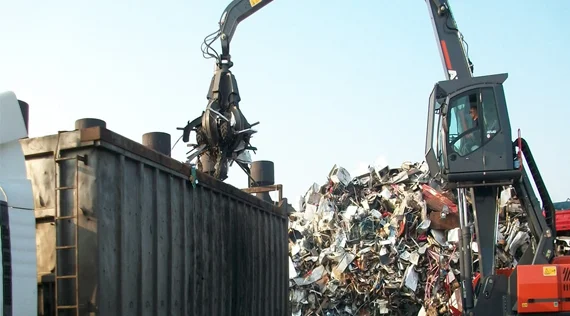
SEATTLE (Scrap Monster): Proposed restrictions on recovered metal exports could weaken recycling investment, lower scrap prices and disrupt supply chains, industry experts warned at the Bureau of International Recycling (BIR) World Recycling Convention in Malaga, Spain, on October 26, 2026.
During the Non-Ferrous Metals Division session, Professor Frank Pothen of the University of Applied Sciences in Jena presented research conducted with Fraunhofer Institute colleagues on trade barriers affecting recovered copper. The study highlighted the risks of limiting access to international markets.
Recycled copper accounted for approximately one-third of the raw materials used in global copper production in 2024. With worldwide copper demand projected to reach 42 million tonnes by 2040, industry representatives stressed the importance of strengthening recycling capacity.
Pothen warned that export restrictions could reduce sales opportunities, lower domestic scrap prices, weaken collection and sorting activities, and limit funds available for investment.
ACIN chief executive Joan Campmajó urged recyclers to invest in processing technologies to improve lower-quality scrap. Meanwhile, La Farga's Georgeta Postas emphasized the need for a reliable value chain to turn Europe's urban mine into usable industrial raw materials.
YOU MAY ALSO BE INTERESTED IN:
POLL
What is the main risk associated with proposed restrictions on recovered metal exports?
Frequently Asked Questions
- What concerns did industry experts raise about recovered metal export restrictions?
Experts warned that restrictions on recovered metal exports could reduce access to international markets, weaken domestic scrap prices and discourage investment in recycling infrastructure. Such measures could also disrupt supply chains and undermine collection and sorting activities, limiting the availability of recovered metals for industrial use.
- How important is recycled copper to global copper production?
Recycled copper accounted for approximately one-third of the raw materials used in global copper production in 2024. With worldwide copper demand projected to reach 42 million tonnes by 2040, strengthening recycling capacity will be important for improving material availability and supporting future supply requirements.
- How could export restrictions affect domestic scrap markets?
Restrictions could reduce sales opportunities for recyclers, potentially pushing domestic scrap prices lower. Lower returns could discourage scrap collection and sorting, weaken recycling operations and reduce the funds available for investment in processing technologies and infrastructure.