BIR Gothenburg 2026 Highlights Global Recycling Trade Challenges
Metal Recycling News | 2026-05-21 08:25:48
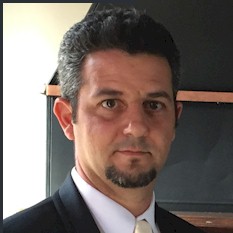
The event will open with an economic outlook from Fernando Acosta, who will examine evolving copper recycling rates and the growing strategic role of recycled copper in meeting global industrial demand.
 By Paul Ploumis
SEATTLE (Scrap Monster): The global trade disruption in recyclable materials markets was at the center of discussions during the International Trade Council session of the recently held BIR Gothenburg 2026 Conference on May 19, 2026.
The session, chaired by Emmanuel Katrakis, the session discussed how rising geopolitical tensions, changing economic alliances, and increasingly strict regulatory frameworks are reshaping international trade flows for recyclable and recycled materials.
The event opened with an economic outlook from Fernando Acosta, who addressed evolving copper recycling rates and the growing strategic role of recycled copper in meeting global industrial demand. His presentation highlighted the vital role played by secondary copper in improving resource efficiency and strengthening supply chains worldwide.
ALSO READ:
BIR Posts Record 2025 Membership Growth and Expands Global Influence
BIR: Turkish Steel Buying Sparks Global Ferrous Scrap Rally
Next, Robin Wiener discussed the importance of international trade in recycled materials. He focused on how efficient cross-border trade supports stronger domestic manufacturing supply chains and helps key downstream industries to remain competitive.
The final presentation featured Mattias Rapaport, who provided an outline about how major recycling firms are adapting commercial strategies and operational models in order to efficiently respond to shifting global trade dynamics and regulatory hurdles.
The session concluded with an interactive panel discussion, where industry leaders explored solutions for building resilience and seizing new opportunities in an increasingly fragmented global recyclable materials market.
POLL
What is the biggest challenge facing global recyclable materials trade today?
Frequently Asked Questions
- What was the central topic of the International Trade Council session?
The session focused on global trade disruptions in recyclable materials markets and their impact on international recycling flows.
- What was Robin Wiener’s key message?
She emphasized that efficient international trade in recycled materials supports domestic manufacturing supply chains and industrial competitiveness.
- What solutions were explored during the panel discussion?
Leaders discussed ways to build resilience and capture new opportunities amid regulatory and geopolitical disruptions.