 By
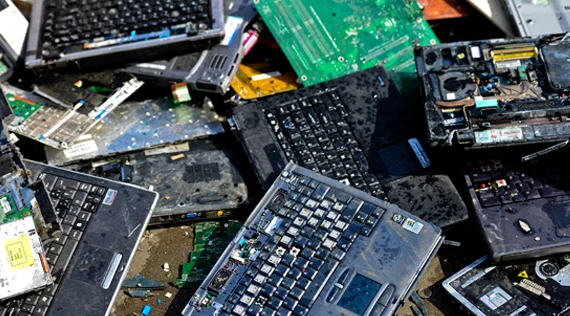
India’s Repair Movement Confronts 73% Rise in E-Waste
India’s large repair and refurbishment sector is helping extend the life of phones and laptops even as electronic waste rises sharply and modern device designs make many products increasingly difficult to repair.
By Paul Ploumis
Published September 10, 2026
Key Points
- India’s e-waste rose 73% between 2020 and 2024, according to the source report.
- Repair technicians in Delhi’s Nehru Place continue to extend the working life of phones and laptops.
- Sealed batteries, limited spare parts and restricted software support are making newer devices harder to repair.
- Repair shops, refurbishers and initiatives such as Bengaluru’s Repair Cafe Collective are helping keep electronics in use longer.
- India is still developing its repairability framework as right-to-repair policies advance in other markets.
SEATTLE (Scrap Monster): India’s longstanding electronics repair economy is coming under growing pressure as smartphones and other devices become more difficult to service and the country’s volume of electronic waste continues to rise.
Replacing devices such as mobile phones is increasingly easier than repairing them in many cases, particularly when products use sealed batteries, restricted software support or spare parts that are difficult to obtain.
At the same time, millions of electronic devices are discarded after only a few years of use. In India, however, a large informal and independent repair sector continues to give many phones, laptops and other electronics a second life.
Nehru Place Shows the Scale of India’s Repair Economy
Delhi’s Nehru Place, one of Asia’s largest technology markets, remains a major center for electronics repair. Technicians there repair phones and laptops at relatively low cost, often working long hours in cramped and unhealthy conditions.
Their work is becoming more difficult as manufacturers increasingly design devices with sealed batteries, limited access to spare parts and restricted software updates.
These barriers can shorten the practical life of electronics even when the underlying device could otherwise continue operating.
E-Waste Climbs as Smartphone Use Expands
India’s rapidly growing smartphone market is contributing to a sharp increase in discarded electronics. According to the source report, the country’s e-waste rose 73% between 2020 and 2024.
Repair shops and refurbishers play an important role in extending product lifespans by keeping usable devices in circulation rather than sending them directly into the waste stream.
Community initiatives are also supporting the repair movement. Bengaluru’s Repair Cafe Collective is among the organizations helping consumers repair products and extend their useful life.
Right-to-Repair Debate Gains Importance
The question of whether consumers should have greater access to spare parts, repair information and service options is gaining attention as electronics become more complex and difficult to open or modify.
France and the European Union have introduced measures aimed at addressing planned obsolescence and improving product repairability.
India is still developing its own repairability rules, leaving independent technicians, refurbishers and consumers at the center of a broader debate over how long electronic products should remain usable.
As e-waste volumes continue to grow, the ability to repair and reuse devices is becoming increasingly relevant alongside formal recycling and material recovery.
Courtesy: www.dw.com