Idaho National Laboratory seeks recyclers in 25 states to expand e-waste collection study
E-waste Recycling | 2026-11-04 00:17:03
Participating organizations must be able to set up events at new collection sites, promote them through multiple communication channels and report participation data, along with the types and quantities of electronics collected.
 By Paul Ploumis
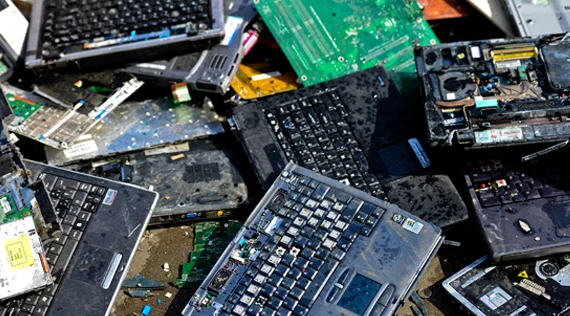
SEATTLE (Scrap Monster): Idaho National Laboratory is looking for electronics recyclers in 25 states to help test whether a collection model that gathered more than 53,700 pounds of old devices in southeastern Idaho can work elsewhere.
The lab is recruiting organizations to help run six to nine collection events in states without electronics recycling laws or regulations, according to a news release. Each participating organization would hold at least two to three events before September 2027.
The study focuses on electronics that contain batteries. Discarded devices can hold lithium-ion batteries and recoverable critical materials such as lithium, cobalt and nickel. Researchers hope higher collection rates will help secure those materials for the supply chain.
The research is funded by the Transportation Technologies Office within the U.S. Department of Energy’s Office of Critical Minerals and Energy Innovation.
It is the second phase of an INL-led project. During the project’s first two years, teams organized collection events in New York, which regulates electronics recycling, and Idaho, which does not. Researchers then applied methods that worked in New York to 20 events in southeastern Idaho and saw comparable results.
Through September 2026, about 850 households took part in the Idaho events. More than 350 participants also completed surveys on barriers to electronics recycling and ways to improve future collection efforts.
INL now wants to know whether the model can produce similar results in other states that lack e-waste rules.
Participating organizations must be able to set up events at new collection sites, promote them through multiple communication channels and report participation data, along with the types and quantities of electronics collected. Applicants also should have access to existing residential e-waste collection events and identify partners that will transport, receive, recycle or otherwise process the electronics.
Interested organizations can submit an expression of interest describing their operations, service area, existing collection options, proposed collection plan, communication strategies, community needs and downstream recycling arrangements. Applicants should also list relevant recycler or processor certifications, such as R2 or e-Stewards.
Organizations interested in participating can find more information on the website.
Courtesy: www.idahobusinessreview.com