Cambodia, UNDP join forces to improve e-waste management, cut emissions
E-waste Recycling | 2026-09-28 02:27:35
GEF CEO and chairperson ad interim Claude Gascon said the GEM programme was supporting countries in tackling one of the fastest-growing sources of pollution.
 By Paul Ploumis
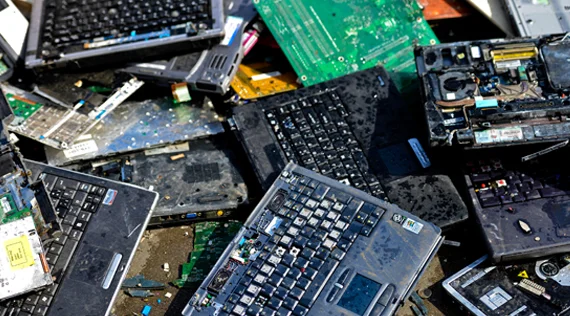
SEATTLE (Scrap Monster): The UN Development Programme (UNDP), in cooperation with the Ministry of Environment, has launched a project to strengthen e-waste management and promote the circular economy in Cambodia, backed by a $4 million grant from the Global Environment Facility (GEF).
The five-year project, running from 2026 to 2031, is part of the Global Electronics Management (GEM) programme, a multi-country effort to reduce pollution and improve resource efficiency across the electronics value chain.
In Cambodia, the project is expected to directly benefit more than 200,000 people through safer working conditions and reduced exposure to hazardous waste, according to the UNDP.
The initiative is also supported by approximately $26 million in co-financing from the Cambodian government and private-sector partners. It is expected to reduce greenhouse gas emissions by more than 27,000 tonnes, ensure the safe management and disposal of hazardous substances such as persistent organic pollutants and mercury, and prevent more than 20,000 tonnes of toxic substances from entering the environment.
Cambodia is one of three countries where the UNDP is leading implementation of the GEM programme, alongside Vietnam and Colombia.
UNDP resident representative in Cambodia Enrico Gaveglia said the scale and pace of changes in the use of electronic equipment in Cambodia were significant.
In 2024, Cambodia had an estimated 24 million electronic devices in use, making it necessary to develop and modernise systems for managing such equipment when it reaches the end of its useful life, he said.
“We need to strengthen capacity and safeguards to prevent communities and workers from being exposed to hazardous practices and toxic substances. This initiative supports the transition towards safer and more practical systems that protect public health and strengthen the foundations for a more sustainable and resilient economy,” he said.
Xiaofang Zhou, head of cooling systems, circular economy and pollution prevention at the UNDP, said e-waste contains valuable materials as well as hazardous substances, making the safe recovery and reuse of those materials complex.
“The challenge is to recover these materials for reuse without creating risks to the environment and human health,” she said, adding that many products were not designed with material recovery in mind, making them difficult to dismantle and separate.
“To address this challenge, stronger collection, dismantling and treatment systems are needed to recover materials safely and more efficiently, rather than losing those materials or managing them under unsafe conditions,” she said.
Environment ministry secretary of state Chuop Paris said the ministry was committed to shifting waste management from a linear, “take-make-dispose” model towards a circular economy that values resources, reduces waste and protects people’s wellbeing and environmental quality.
Through the Environmental Code and Natural Resources and the Environmental Circular Strategy 2023-2028, particularly its “clean” pillar, the ministry is continuing to strengthen policies, regulations and legal instruments, promote greater responsibility among producers and importers, encourage innovation in waste recycling, resource recovery and reuse, and raise public awareness through campaigns and social events, he said.
GEF CEO and chairperson ad interim Claude Gascon said the GEM programme was supporting countries in tackling one of the fastest-growing sources of pollution.
“As the use of electronics continues to grow, its environmental impacts will become increasingly difficult to manage without effective systems,” he explained.
Addressing e-waste also requires changes in how markets operate, as well as clearer policies and standards to support safer and more sustainable practices, Gascon said.
“This initiative is an important step towards building that foundation in Cambodia,” he added.
Courtesy: www.asianews.network