Brass Radiator Scrap
ISRI Code : NA | Last updatedAugust 10, 2026 09:48:40 PM
Brass radiator scrap comes mainly from obsolete automobile and heating system radiators. Their high copper and zinc content means significant value for recyclers, with “clean” radiators (free of steel, fluid, and plastic) commanding premium pricing. This commodity remains core to the scrap trade even as the automotive industry shifts to aluminum.

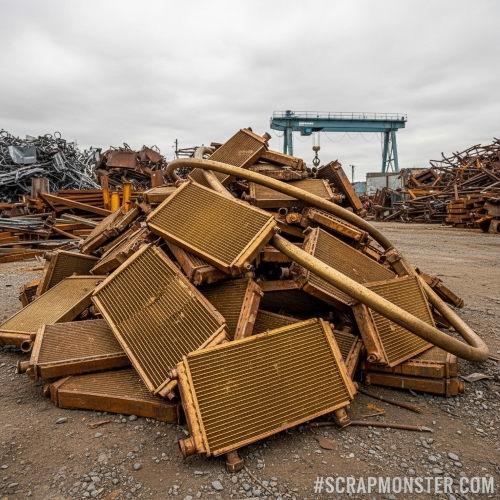
Brass Radiator Scrap: Grading, Pricing, and Where to Sell It
Brass radiator scrap remains one of the higher-value legacy streams in auto and HVAC recycling. Its copper-zinc core still commands a premium price per pound even as aluminum radiators take over new-vehicle production, making correct grading and preparation the deciding factor in what a seller actually gets paid.
What Readers Should Know
- Brass radiator cores contain roughly 60–70% copper and 20–30% zinc, giving them a favorable metal ratio for scrap value.
- Clean radiators (no steel, plastic, or fluid) earn a premium; dirty units with attached tanks or residual coolant sell at a discount.
- US clean brass radiator scrap trades around $1.27–$1.29 per pound depending on region; China prices sit near CNY 29,850 per metric ton; Europe is near US$2,450 per tonne.
- Aluminum radiators are steadily replacing brass in new vehicles, shrinking new supply while legacy recycling volume stays massive worldwide.
- Brass can be recycled indefinitely without losing quality, feeding plumbing, marine hardware, and restoration markets.
What Is Brass Radiator Scrap?
Brass radiator scrap consists of radiators historically used in cars, trucks, and building heating systems, primarily before the widespread adoption of aluminum. These radiators are built from copper-brass cores, valued for their high thermal conductivity, and may carry traces of solder, steel side plates, rubber, or plastic.
- Clean brass radiator: Free of steel, plastic, and fluids. "Clean" status means higher premiums at the yard.
- Dirty brass radiator: Contains attached steel tanks, plastic, or residual fluid. Requires further processing, usually paid at a discount.
Brass radiators are becoming less common in new vehicles, but the legacy volume in auto and HVAC recycling remains massive worldwide.
Why Brass Radiator Scrap Commands a Premium
- High metal content: A favorable ratio of copper (~60–70%), zinc (~20–30%), and trace elements makes it valuable per pound.
- Bulk availability: Sourced in large quantities from auto-recycling, demolition sites, scrap drives, and service stations.
What the Price Data Shows
- US (clean, by region): $1.27–$1.29/lb
- China: CNY 29,850/MT
- Europe: US$2,450/Tonne — check live prices here or via Scrap Yard Prices.
How to Prepare Brass Radiators for Top Dollar
- Dismantle for purity: Remove all steel, iron, or plastic tanks and caps. Extract coolant or fluid — yards require no liquid.
- Sort by alloy: Keep brass radiators separate from aluminum or copper-aluminum types for best pricing.
- Condition matters: "Clean" radiators are graded higher — the effort to clean before sale returns a significant premium.
Also Read
Where to Sell Brass Radiator Scrap
- Local yards: Find yards with the Scrap Yard Finder or the Canadian Yards Directory.
- Bulk buyers: Auto and truck recyclers, fleet maintenance yards, and major HVAC contractors often have standing contracts with local processors for regular pickup.
- Marketplace solutions: Use the ScrapMonster B2B Marketplace to post buy and sell offers for brass and bronze scrap.
What Happens Next: Trade and Sustainability Outlook
- Shifting supply: With the rise of aluminum radiators in new vehicles, the proportion of brass radiators in trade is falling, which may increase their value for legacy and restoration projects.
- Circular economy dividend: Every ton of recycled brass saves more than 4 tons of CO₂ versus mining new copper and zinc, a notable win for ESG and sustainability managers.
- Remanufacturing: Recycled brass finds new life in plumbing, marine hardware, art, and high-end restoration parts.
Quick Facts: Brass Radiator Legacy
- Endless recycling: Brass, mostly copper and zinc, can be recycled indefinitely with no quality loss.
- Historic innovation: The first radiators in the Model T and early luxury cars were all brass, prized for heat dissipation.
- Higher scrap value: Despite declining mainstream use, brass radiators still beat most steel or aluminum scrap for price per pound.
- Restoration gold: Car restorers and classic auto clubs will pay top dollar for original brass units, sometimes more than melt value.
- Global citizen: Major exporters of brass radiator scrap include the US, India, Turkey, and Italy.
What Readers Are Asking
What is the copper and zinc content of brass radiator scrap?
Brass radiator cores typically contain about 60–70% copper and 20–30% zinc, plus trace elements.
What's the difference between clean and dirty brass radiators?
Clean radiators are free of steel, plastic, and fluids and earn a premium. Dirty radiators still have attached steel tanks, plastic, or residual fluid and sell at a discount.
What is the current US price for clean brass radiator scrap?
Clean brass radiator scrap in the US trades around $1.27–$1.29 per pound, depending on region.
Can brass be recycled repeatedly without losing quality?
Yes. Brass can be recycled indefinitely without any loss of quality.
Which countries are major exporters of brass radiator scrap?
The US, India, Turkey, and Italy are major exporters of brass radiator scrap.
Explore More
Data last verified: October 2025 | ScrapMonster Inc. | © 2009–2025 — All rights reserved
Frequently Asked Questions
- What’s the difference between “clean” and “dirty” brass radiator scrap?
Clean is free of any steel, fluid, or non-brass attachments; dirty includes these and requires further processing.
- How do I maximize my payout for brass radiators?
Drain coolant, remove all side plates (steel), caps/plastic, and separate from other radiator types before selling.
- Can brass radiators be exported?
Yes, subject to export controls. Required documentation: bill of lading, proof of composition, and sometimes ISRI code.
- Why do some yards pay less for “auto” radiators?
If they contain mixed metal, solder, or plastics, more downstream processing is needed; they’re downgraded from “clean.”
- Where are brass radiators used today?
Heritage vehicles, some high-end motorcycles, and industrial heating—recycling is especially valuable for restoration markets.
Related Materials
356 Aluminum Wheels (Clean)
356 Aluminum Wheels (Clean) are high-value non-ferrous scrap materials sourced from vehicle wheels. To maximize…
6061 Extrusions
Extruded Aluminum Alloy 6061 is a medium to high strength aluminum alloy. It is one…
6063 Extrusions
6063 Aluminum Extrusions are in high demand for their architectural strength, finishing versatility, and superior…
Alternator Scrap
Alternator scrap from cars and trucks is a high-value source of copper and steel. Learn…