 By
German Steelmakers Seek Lower Energy Costs and Stronger Trade Protection
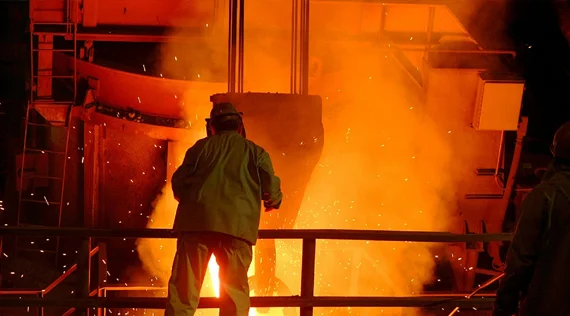
German steel producers, trade unions and state governments are calling for competitive energy prices, stronger import protections and greater support for low-emission steelmaking. At the November 16 National Steel Summit, the government highlighted approximately €6 billion in existing support for the industry's technological transformation.
By Paul Ploumis | Published: November 18, 2026 | Event: November 16, 2026 | Steel News
Key Points
- Energy costs: German steelmakers are seeking lower electricity and natural gas costs, including longer-term network fee relief and electricity price compensation.
- Government support: Federal and state authorities have committed approximately €6 billion to the technological transformation of major steel production sites.
- Trade protection: Germany supports EU measures aimed at reducing duty-free steel imports by 47% and imposing 50% tariffs on imports beyond applicable limits.
- Employment: Approximately 2,000 steelworkers demonstrated in Salzgitter, calling for affordable energy, fair competition and stronger markets for lower-emission steel.
SEATTLE (Scrap Monster): German steelmakers have called for stronger government support to protect industrial competitiveness and accelerate the transition toward climate-neutral steel production.
At the National Steel Summit held in Salzgitter on November 16, 2026, members of the Steel Alliance, the IG Metall trade union and industry association Wirtschaftsvereinigung Stahl presented a joint position paper to Federal Minister for Economic Affairs and Energy Katherina Reiche.
According to GMK Center, the proposals focus on competitive energy prices, stronger protection against unfair steel imports and investment conditions that support lower-emission production.
The participating federal states also emphasized the importance of preserving industrial employment and strengthening Germany's position in international steel markets.
Steel Industry Calls for Lower Electricity and Natural Gas Costs
Energy affordability was a central issue at the summit, with the Steel Alliance warning that current electricity prices remain insufficiently competitive for Germany's energy-intensive producers.
The position paper calls for maintaining and eventually increasing federal subsidies that reduce electricity network charges through the mid-2030s.
It also urges policymakers to develop a sustainable framework for industrial network tariffs and extend electricity price compensation beyond 2030.
The proposed measures would provide steel companies with greater certainty when planning capital-intensive investments in modern production technologies.
For natural gas, the alliance supports reducing or eliminating selected levies, energy taxes and gas transmission network charges.
The proposals reflect concerns that elevated operating costs could undermine the competitiveness of German steel production, particularly as manufacturers invest in more electricity-intensive, lower-emission processes.
German Government Highlights €6 Billion in Steel Transformation Support
Speaking at the summit, Economy Minister Katherina Reiche emphasized the importance of steelmaking to Germany's industrial competitiveness and economic independence.
Reiche said the government was improving conditions for domestic producers through industrial electricity pricing and increased compensation for energy costs.
She also highlighted Germany's support for European measures aimed at reducing duty-free steel imports by 47% and imposing tariffs of 50% on imports exceeding applicable limits.
According to Reiche, the federal and state governments are providing approximately €6 billion to support the technological transformation of major steel production sites.
The funding is intended to improve conditions for investment in modern steelmaking technologies and lower-emission production.
However, Reiche stressed that companies remain responsible for ensuring the long-term competitiveness of their business models.
Steelworkers Rally for Jobs and Industrial Investment
Approximately 2,000 steelworkers demonstrated in Salzgitter during the summit, calling for lower energy costs, fair international competition and stronger markets for low-emission steel.
According to IG Metall and German broadcaster NDR, workers urged policymakers to move beyond existing commitments and implement measures supporting the industry's transformation.
Germany's major steel producers, including Salzgitter, Thyssenkrupp Steel, ArcelorMittal, Dillinger and Saarstahl, collectively employ approximately 80,000 people.
Industry association Wirtschaftsvereinigung Stahl estimates that roughly 4 million people work in German industries that depend heavily on steel.
The summit brought together government officials, steelmakers, trade union representatives and researchers to discuss the future of domestic steel manufacturing, industrial competitiveness and employment.
Germany Seeks Continued Carbon-Cost Protection
Separately, Germany is seeking to preserve free emissions allowances for industrial producers as the European Union implements its Carbon Border Adjustment Mechanism (CBAM).
According to GMK Center, Berlin has proposed measures addressing the cross-sectoral correction factor, which can reduce free emissions allocations under the EU Emissions Trading System.
The proposal involves using allowances released during CBAM implementation to help limit reductions in industrial allocations.
These proposals remain separate from the steel industry's demands for energy-cost relief and should not be treated as final changes to EU emissions trading rules.
Courtesy: www.indexbox.io