 By
By 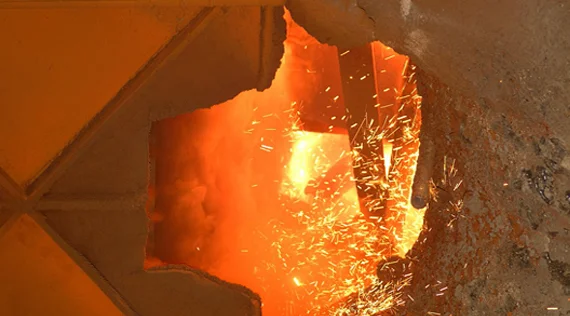
New Zealand Steel Fires Up Electric Arc Furnace at Glenbrook, Cutting a Million Tonnes of Emissions a Year
A new electric arc furnace at Glenbrook Steel Mill has produced its first commercial batch of steel, replacing coal-fired kilns and setting up New Zealand Steel to nearly halve the mill's carbon emissions once it reaches full capacity.
Steel News | By Paul Ploumis
What Readers Should Know
- New Zealand Steel's new electric arc furnace at Glenbrook produced its first commercial steel batch, two years after the project was approved.
- The furnace replaces two of the mill's four coal-fired kilns south of Auckland and runs on recycled scrap.
- At full capacity, it will nearly halve the mill's emissions — about a million tonnes a year, or roughly 1% of New Zealand's total emissions.
- The project received a $140 million subsidy from the government's GIDI decarbonisation fund, with BlueScope Steel investing the remaining $160 million.
- Two-thirds of New Zealand's scrap steel will now go to Glenbrook instead of being exported for recycling.
- Full production speed, expected in about three months, will cut batch time from five hours to 38 minutes.
What Happened at Glenbrook Steel Mill
SEATTLE (Scrap Monster): A new electric furnace that will save the country a million tonnes of emissions a year has been fired up at Glenbrook Steel Mill.
The electric arc furnace, operated by New Zealand Steel, has just produced its first commercial batch of steel, two years after the project was given the green light.
The furnace replaces two of the four coal-fired kilns at the mill just south of Auckland, and will produce steel from recycled scrap.
Why the Furnace Cuts Emissions
Chief executive Robin Davies said once the furnace was operating at full capacity, it would nearly halve the mill's carbon emissions.
"[That] is effectively one percent of New Zealand's total emissions, so it's a very high-impact project in a New Zealand context."
Also Read
How the Project Was Funded
The furnace was one of the largest projects funded by the previous government's industrial decarbonisation fund, GIDI, receiving a $140 million subsidy.
BlueScope Steel, New Zealand Steel's Australian owners, invested the remaining $160m.
The project would not have been financially viable yet without that co-investment, Davies said.
"It's intended to help the country reach its international emissions targets, and it allowed us to make the transition earlier than we would otherwise have done so."
Carbon Credits and Industrial Allocation
The new furnace would also slash the number of free carbon credits New Zealand Steel claims from the government every year.
The industrial allocation scheme allows emissions-intensive exporters to dodge having to pay for their emissions, to help them maintain a competitive advantage.
New Zealand Steel has been the scheme's biggest beneficiary for over a decade, receiving 1.6 million free credits in 2024 — more than twice the next-largest beneficiary, Tīwai aluminium smelter.
Ramping Up Production
The furnace's first batch of steel was produced very slowly, taking about five hours to complete, Davies said.
Once it was operating at full production levels, in about three months' time, that would decrease to 38 minutes a batch.
Reducing Scrap Steel Exports
The furnace would also allow the country to avoid sending so much of its scrap steel overseas for recycling, he said.
Two-thirds of New Zealand's scrap steel would now go to Glenbrook.
What Happens Next
The advantage of the furnace was New Zealand's high levels of renewable electricity, Davies said.
"It allows us, with recycled scrap, to produce very low-embodied-carbon steel — some of the lowest in the world — because of the renewable grid."
Over time, the company would investigate ways to transfer the rest of its steel-making to lower-emissions processes.
That included hosting a demonstration plant at Glenbrook, operated by start-up CullBeck, that uses hydrogen to create steel.
Courtesy: www.rnz.co.nz
People Also Ask
Who operates the new furnace at Glenbrook Steel Mill?
New Zealand Steel operates the new electric arc furnace at Glenbrook.
What does the furnace replace at the mill?
It replaces two of the mill's four coal-fired kilns, located just south of Auckland.
How was the Glenbrook furnace project funded?
It received a $140 million subsidy from the government's GIDI decarbonisation fund, with BlueScope Steel investing the remaining $160 million.
How many free carbon credits did New Zealand Steel receive in 2024?
New Zealand Steel received 1.6 million free carbon credits in 2024, more than twice the next-largest beneficiary, the Tīwai aluminium smelter.
How long until the furnace reaches full production speed?
About three months, which will cut batch time from roughly five hours to 38 minutes.