 By
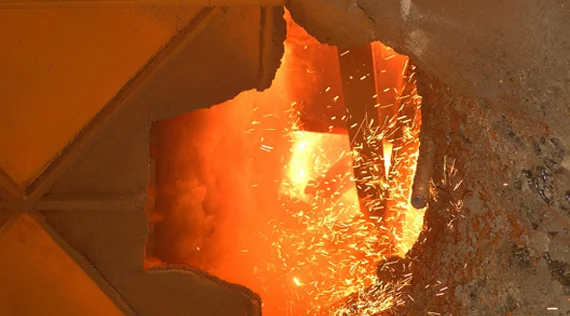
Former Alton Steel Mill Eyed for 200-MW Data Center
TerraWatt is proposing to redevelop the former Alton Steel mill in Illinois into a large data-center campus, beginning with a 200-megawatt facility on the 381-acre industrial site. The transaction remains contingent on rezoning, utility review and other approvals.
Key Points
- Site: Former Alton Steel mill in Alton, Illinois.
- Developer: TerraWatt.
- Initial scale: One 200-MW data-center block, with a larger campus possible over time.
- Property: Approximately 381 acres with existing power, rail, gas and wastewater infrastructure.
- Status: No formal rezoning or permit application has yet been filed with the city.
- Sale: Closing is targeted for 2027 if required approvals and other conditions are satisfied.
SEATTLE (Scrap Monster): TerraWatt has emerged as the proposed buyer of the former Alton Steel property in Illinois, with plans to transform the shuttered steel mill into the Riverbend Technology Center, a large-scale data-center campus.
Alton Steel ceased production in January 2026, ending more than a century of steelmaking at the site and eliminating 253 jobs.
The steelmaker's board has since been overseeing an orderly dissolution of the business, including the sale of assets and repayment of creditors.
After evaluating interest from potential buyers, Alton Steel selected TerraWatt's proposal as the strongest available option for the property, although the transaction remains subject to several conditions.
200-MW Data Center Would Replace Steelmaking Operations
TerraWatt proposes beginning redevelopment with a 200-megawatt data-center block on the former mill property.
The developer has also outlined the possibility of expanding the site in additional 200-MW phases, potentially creating a much larger technology campus if future power capacity and market demand allow.
Existing industrial infrastructure is one of the site's main attractions.
The property includes an electrical substation and distribution network, direct natural-gas service, wastewater treatment infrastructure, rail access and an existing solar installation.
TerraWatt would also have to demolish approximately 1.26 million square feet of former mill buildings and address environmental conditions associated with decades of heavy industrial use.
ScrapMonster Edge: Industrial Power Infrastructure Gives the Site New Value
The same infrastructure that once supported electric steelmaking is a major reason the property is being considered for data-center redevelopment.
Alton Steel previously required substantial electrical capacity, meaning the property already has industrial-scale power connections that would be difficult and expensive to reproduce on an undeveloped site.
The proposed reuse illustrates a broader shift in heavy-industry real estate: sites once valued for furnaces and rolling mills can become attractive to data-center developers because of their existing power, transportation and utility infrastructure.
Alton Steel Says Sale Offers Best Path for Creditors
Alton Steel President and CEO Chris Ervin said the company's first priority after the January shutdown was assisting employees and their families.
The company later began evaluating the future of the property as part of its voluntary dissolution.
Alton Steel retained JLL Commercial Real Estate Advisory to market the site and evaluate potential buyers based on property value, infrastructure, environmental conditions, redevelopment requirements and the likelihood that a transaction could be completed.
Board member John Simmons said TerraWatt's proposal offered the strongest opportunity to maximize the property's value and satisfy outstanding obligations to creditors, including local businesses, suppliers and contractors.
TerraWatt Projects $17.2 Million in Annual Property Tax
TerraWatt estimates that a single 200-MW data-center block could generate an average of approximately $17.2 million per year in property taxes at current tax rates during its first decade of operation.
According to the developer's estimates, approximately:
- $9.9 million annually could go to the Alton School District;
- $4.2 million annually could go to the City of Alton; and
- Additional revenue would be generated through electricity and other taxes.
For comparison, TerraWatt said the entire former mill property paid approximately $98,736 in property tax last year.
These figures are developer projections and have not yet been independently adopted by the City of Alton as final revenue estimates.
Project Could Bring Major Construction Investment
TerraWatt estimates that each 200-MW development block could represent approximately $2.64 billion in investment.
The developer projects nearly 5,000 construction jobs during development and around 50 permanent positions once a block is operating.
Those figures remain projections because the project has not yet received development approval.
TerraWatt has also said it does not intend to request local tax incentives or use money from Alton's Riverfront Tax Increment Financing district for the project.
Water Use Would Fall Sharply From Steel Mill Levels
TerraWatt says the proposed data center would use approximately 400,000 gallons of water per year.
The former steel mill consumed approximately 177.7 million gallons annually, according to figures provided by the developer.
If those projections are achieved, annual water use would fall by more than 99% compared with historic steelmaking operations at the property.
TerraWatt has also projected lower emissions and significantly lower noise levels than the former steel operation.
However, those environmental and utility claims will be among the issues reviewed by the city and its independent consultants before any development is approved.
Site Cleanup Will Be Part of Redevelopment
Redevelopment would involve more than demolishing the old mill buildings.
The property has hosted heavy industrial activity for more than a century, and TerraWatt expects significant environmental work will be required.
The developer says asbestos and other regulated materials would be removed in accordance with Illinois Environmental Protection Agency and Occupational Safety and Health Administration requirements.
Existing scrap, slag and other industrial materials would also have to be addressed as part of site preparation.
No Formal Application Filed Yet
Despite the scale of the proposal, the Riverbend Technology Center remains in an early stage.
The City of Alton says no formal application for rezoning or development approval has yet been submitted.
The property will require a land-use determination and rezoning before the data-center project can proceed.
Ameren Illinois must also study the property's electrical requirements and determine what power capacity can be provided.
The city plans to retain independent third-party consultants with expertise in civil engineering, planning and environmental issues to evaluate the proposal.
City Plans Independent Review
Alton Mayor David Goins said finding a viable future for the former mill property is important to the city's economy and tax base.
At the same time, city officials intend to evaluate the project's proposed employment, tax revenue, electricity requirements, water use, environmental impacts, noise and traffic.
The review will ultimately involve the city's planning process and City Council before the development can proceed.
Community Open House Scheduled for October 27
TerraWatt plans to hold a public open house from 6:00 p.m. to 7:30 p.m. on October 27 at The Wedge, 620 E. Broadway in Alton.
The developer says it is engaging residents before filing its first formal application so community feedback can be considered during planning.
ScrapMonster Market Read
The proposed Riverbend Technology Center represents a dramatic change in how the Alton property could be used, but the underlying industrial asset remains the same: access to substantial power and infrastructure.
For more than a century, that infrastructure supported steel production. TerraWatt now sees the same electrical and utility capacity as the foundation for a data-center campus.
The proposal could generate substantially more property-tax revenue than the shuttered site currently produces, but it would replace hundreds of former steel jobs with a much smaller permanent workforce after construction is complete.
The key question for Alton will therefore be whether the combination of new investment, tax revenue, site cleanup and reuse of an abandoned industrial property outweighs the infrastructure and community impacts of a large data-center development.
What to Watch Next
Rezoning application: TerraWatt has not yet submitted its formal proposal to the City of Alton.
Ameren study: Available electrical capacity will help determine how large the project can ultimately become.
Environmental review: Cleanup requirements and the site's legacy industrial contamination will be major parts of redevelopment.
Community response: The October 27 open house will provide the first significant public opportunity to question the developer.
Sale closing: Alton Steel and TerraWatt are targeting 2027, subject to the required approvals and other transaction conditions.
Courtesy: First Alert 4