U.S. Lumber Coalition Calls for Cuts to Canada’s Lumber Overcapacity
Rubber and Wood | 2026-04-30 10:43:57
He emphasized that further action is needed to address structural overcapacity, which he claims drives unfair trade practices and harms American forestry workers and communities.
 By Paul Ploumis

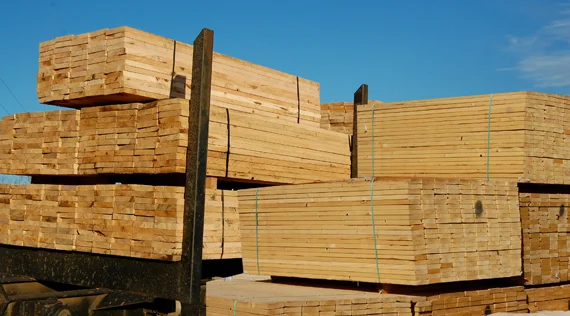
SEATTLE (Scrap Monster): U.S. Lumber Coalition has urged Canada to address what it describes as a “market-disrupting and unsustainable” excess capacity in softwood lumber production, escalating tensions in the long-running U.S.-Canada lumber trade dispute.
According to the coalition, Canada consumes roughly 7.5 billion board feet of softwood lumber annually but maintains production capacity of about 27 billion board feet, supported by government-backed subsidy programs. The group argues that this imbalance forces Canadian producers to export large volumes, with regions such as British Columbia shipping more than 85% of output abroad—much of it into the U.S. market.
RELATED NEWS:
U.S. Lumber Coalition Comments on Much-Needed Canadian Mill Production Costs
U.S. Lumber Coalition Challenges Canadian Subsidy, Citing Unfair Trade
Steve Swanson stated that U.S. trade enforcement measures, including antidumping and countervailing duties as well as Section 232 tariffs, have already reduced Canada’s share of the U.S. lumber market from 32% to approximately 19%. He emphasized that further action is needed to address structural overcapacity, which he claims drives unfair trade practices and harms American forestry workers and communities.
The coalition contends that reducing Canada’s excess production capacity would curb the need to offload surplus lumber into the U.S., potentially stabilizing the market and resolving the long-standing dispute. The issue remains central to North American trade relations, with both countries closely tied through the integrated forestry supply chain.
POLL
What is the likely next step in the dispute?
Frequently Asked Questions
- What is the main issue raised by the coalition?
The group argues that Canada’s excess lumber production capacity distorts the market and leads to oversupply in the U.S.
- Why is excess capacity a concern?
It forces Canadian producers to export large volumes, potentially at unfair pricing, impacting U.S. producers.
- What actions has the U.S. already taken?
The U.S. has imposed antidumping duties, countervailing duties, and tariffs to limit import impact.