Recycled Aluminum Market is Expected to Double Its Size by Upcoming Years
Metal Recycling News | 2024-07-31 13:25:14
Reused aluminum is utilized in making vehicle bodies and chassis to lower weight but keep structural strength.
 By Paul Ploumis
SEATTLE (Scrap Monster): Report Ocean has released a market research report on the Recycled Aluminum industry, covering 150+ countries and analyzing over 1,00000 published and forthcoming reports per year. The report, prepared by subject matter experts, researchers, and market research professionals, utilizes various methodologies and analytical approaches, including S.W.O.T. and P.E.S.T.E.L. analysis and regression analysis, to forecast market growth. It also examines the industry’s regulations and policies and potential future advancements.
The global recycled aluminum market size was US$ 52.83 billion in 2023 and is projected to reach US$ 102.14 billion by 2032, growing at a CAGR of 7.6% during the forecast period from 2024 to 2032.
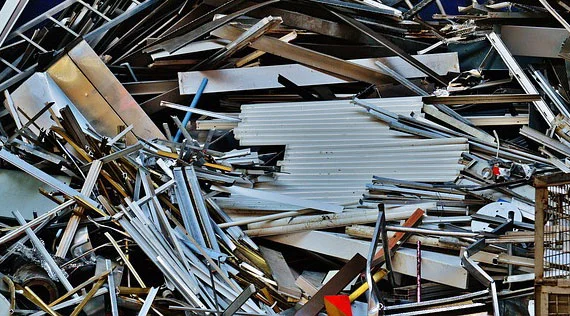
Recycled aluminum is aluminum that has been recovered and processed from waste materials after being used by consumers or in industries, instead of being taken from natural sources. It is a sustainable option that is kind to the environment, instead of producing primary aluminum. The procedure includes gathering aluminum scrap, organizing it, eliminating impurities through processing, melting it, and molding it into different shapes for recycling. Recycled aluminum, having the same qualities and characteristics as primary aluminum, is used in a variety of applications. Utilizing recycled aluminum helps to preserve natural resources, lower energy use, reduce waste, and support a more sustainable and circular economy.
Factors Influencing Market Growth
– Recycled aluminum has an important impact on the automotive and transportation industry by providing benefits such as decreased weight, better fuel efficiency, improved performance, and the ability to be recycled these factors may drive the market growth.
– Reused aluminum is utilized in making vehicle bodies and chassis to lower weight but keep structural strength. Aluminum enhances fuel efficiency and lowers emissions by replacing heavier materials and these factors may drive overall market expansion.
– Aluminum scrap frequently has impurities and mixed materials, impacting the quality of the recycled aluminum. Getting rid of these contaminants entails using sophisticated sorting and processing methods, which can be costly and these factors could hinder the growth of ride-sharing services.
COVID-19 Impact Analysis
The global supply chains were disrupted by the COVID-19 pandemic, affecting the gathering and handling of aluminum scrap. Limitations on movement and lockdown measures impacted scrap collection operations, resulting in a decrease in the supply of recycled aluminum materials. The interruption in the supply chain immediately affected the recycled aluminum industry. Nevertheless, with the reopening of economies and recovery from the pandemic’s effects, there was a resurgence in industrial activity and a higher demand for products containing aluminum. The increase in economic activity has helped to rejuvenate the recycled aluminum industry.
Regional Analysis
Asia Pacific was the leading region in the worldwide recycled metal market in 2023. The market growth of recycled metal in the region is being driven by the rising focus on the environment and effective waste management. One example is Malaysia aiming to boost its recycling rate by 2% annually by 2025. The nation has established a goal of reaching a 40% recycling rate by the year 2025.
China is expected to lead in recycled metal production and consumption in the Asia Pacific region during the projected time frame. The country aims to fulfill its climate goals by boosting the utilization of recycled copper, steel, and aluminum.
Courtesy: www.taiwannews.com