Philippines Leads ASEAN Efforts to Tackle Plastic Pollution with EPR Policy
Plastic Recycling | 2025-12-01 12:23:33
The report highlights Extended Producer Responsibility (EPR) as a key solution.
 By Paul Ploumis

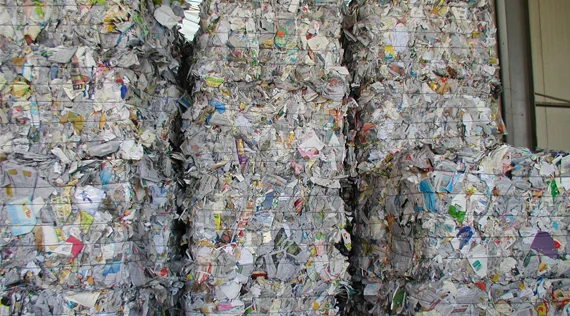
SEATTLE (Scrap Monster): Waste generation in the ASEAN region has surged due to rapid population growth, industrial expansion, and gaps in waste management, leading to severe plastic pollution.
According to a World Bank report published on November 26, the Philippines, along with Malaysia, Indonesia, Myanmar, Vietnam, and Thailand, ranks among the top global ocean plastic emitters. Policy gaps and limited recycling infrastructure worsen the problem.
ALSO READ:
Protestors spotlight plastic pollution during industry convention in Cleveland
NCF tasks Nigerians on collaboration to beat plastic pollution
The report highlights Extended Producer Responsibility (EPR) as a key solution. The Philippines adopted Republic Act 11898 (EPRA) in 2022, with implementing rules in 2023, making it the first ASEAN country to impose mandatory EPR on plastic packaging. While readiness for implementation is high, gaps remain, including unclear recycling targets, limited collection coverage in rural areas, weak enforcement, and underdeveloped recycling facilities. PET recycling covers only 39% of demand, while HDPE and PP plastics see just 10% recycling.
The report recommends clarifying producer obligations, defining roles of Producer Responsibility Organizations (PROs), expanding waste collection and recycling infrastructure, setting recycling and recycled-content targets, and strengthening enforcement of waste segregation. Improving rural collection, increasing recyclate use, and integrating the informal sector are also emphasized.
With stronger policy implementation and infrastructure investment, the Philippines could significantly reduce plastic pollution and lead ASEAN in sustainable waste management efforts.
POLL
Which measure would most effectively reduce plastic pollution in the Philippines?
Frequently Asked Questions
- Which ASEAN countries are top ocean plastic emitters?
The Philippines, Malaysia, Indonesia, Myanmar, Vietnam, and Thailand rank among the top global ocean plastic emitters.
- How has the Philippines implemented EPR?
The Philippines adopted Republic Act 11898 (EPRA) in 2022, with implementing rules in 2023, making it the first ASEAN country to mandate EPR for plastic packaging.
- What gaps remain in the Philippines’ EPR system?
Gaps include unclear recycling targets, limited rural collection coverage, weak enforcement, underdeveloped recycling facilities, and low recycling rates for PET, HDPE, and PP plastics.