BIR Flags Growing Challenges for Global Plastic Recyclers
Plastic Recycling | 2026-07-14 07:15:04
The report stressed the need for stronger recycled-content regulations, particularly in regions lacking mandatory requirements.
 By Paul Ploumis

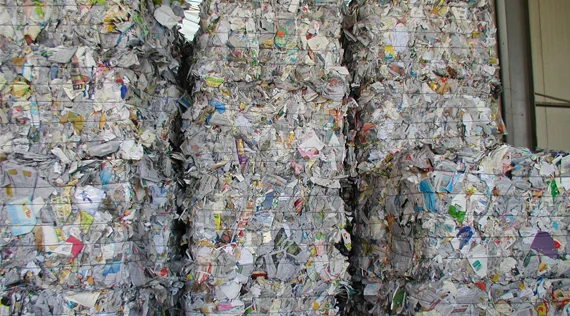
SEATTLE (Scrap Monster): The latest Bureau of International Recycling (BIR) World Mirror on Plastics – July 2026 Quarterly Report foresees the global plastics recycling industry entering another period of uncertainty, mainly driven by rising oil prices and higher virgin polymer costs.
BIR said the recent escalation of tensions in the Middle East has reversed the earlier decline in crude oil prices, leading to renewed increases in virgin plastic resin prices. The shift comes at a time when demand is already weakening, it noted.
According to the report, trading activity has slowed, although some recyclers continue to benefit from strong order books secured during previous months. Market participants are closely watching geopolitical developments and the demand situation post-holiday season.
BIR also highlighted that several recycling plants are facing closures across Europe, North America, and Southeast Asia. The continued availability of low-cost virgin plastics is adding pressure to recyclers. The PVC recycling segment remains under severe strain due to oversupply and low-priced Chinese exports.
The report stressed the need for stronger recycled-content regulations, particularly in regions lacking mandatory requirements.
YOU MAY ALSO BE INTERESTED IN:
BIR: Global Ferrous Scrap Prices Decline on Softer Turkish Demand
POLL
What is the biggest challenge facing the global plastics recycling industry today?
Frequently Asked Questions
- Why does BIR expect uncertainty in the plastics recycling industry?
Rising oil prices, higher virgin polymer costs, weakening demand, and geopolitical tensions are creating uncertainty for the global plastics recycling sector.
- How have Middle East tensions affected the plastics market?
Escalating tensions have pushed crude oil prices higher, reversing earlier declines and leading to renewed increases in virgin plastic resin prices.
- What challenges are plastics recyclers currently facing?
Recyclers are dealing with slower trading activity, plant closures in several regions, competition from low-cost virgin plastics, and weak market demand.