Rio Tinto Pushes Forward Resolution Copper Project, Eyes 2030s Output
Mining News | 2026-03-25 09:59:01
Rio has launched a $500 million drilling campaign to explore previously inaccessible sections of the deposit.
 By Paul Ploumis

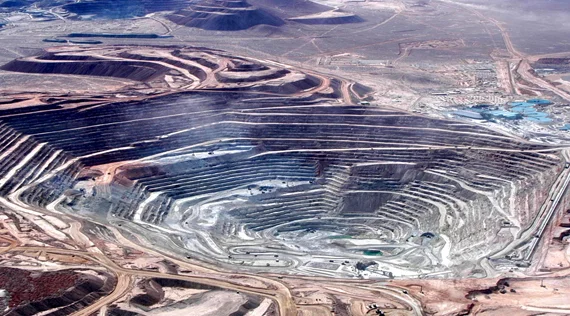
SEATTLE (Scrap Monster): Rio Tinto plans to begin production at Arizona’s Resolution Copper mine by the early- to mid-2030s, but may export part of its copper concentrate due to unfavorable U.S. smelting economics, a senior executive said.
Speaking at CERAWeek by S&P Global, Katie Jackson, head of Rio’s copper division, confirmed the company’s commitment to advancing the project following a prolonged legal battle over land access involving the San Carlos Apache community. The mine is expected to produce over 40 billion pounds of copper during its lifespan, potentially supplying more than 25% of U.S. demand.
Rio has launched a $500 million drilling campaign to explore previously inaccessible sections of the deposit. However, uncertainty around domestic refining remains a key concern. Copper concentrate must be processed into cathode, but declining treatment and refining charges (TC/RCs) have made U.S. smelting increasingly uneconomical.
The company operates the Kennecott mine in Utah, while Freeport-McMoRan runs the only other U.S. smelter. Rio has urged policymakers to revise tariffs and consider measures such as price floors or export restrictions.
Separately, operations at Kennecott remain partially suspended following a fatal accident, while negotiations continue with Mongolia over terms at the Oyu Tolgoi project.
YOU MAY ALSO BE INTERESTED IN:
Rio Tinto Secures Arizona Land to Advance Resolution Copper Project
Rio Tinto's Kennecott copper mine suspends operations as contract worker dies
POLL
Should the U.S. government intervene to support domestic copper smelting?
Frequently Asked Questions
- When will Resolution Copper begin production?
Rio Tinto expects startup in the early- to mid-2030s, pending regulatory and operational progress.
- Why might copper concentrate be exported?
Weak U.S. smelting economics—mainly low treatment and refining charges—make domestic processing less viable.
- What policy changes are being suggested?
Measures such as tariff revisions, price floors, or export restrictions to support domestic refining capacity.