EAF Growth Drives Major Shift in Asian Scrap Trade
Metal Recycling News | 2026-09-08 05:47:37
The evolving market could encourage Asian countries to treat scrap as a strategic raw material, industray sources said.
 By Paul Ploumis
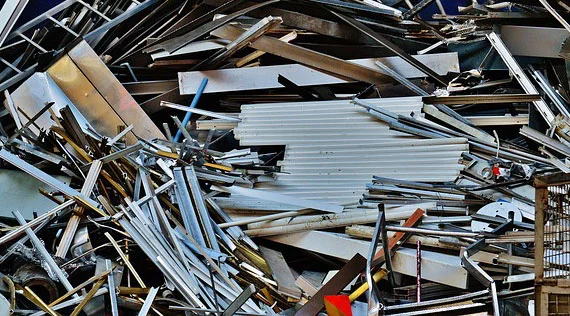
SEATTLE (Scrap Monster): Asia’s ferrous scrap market is entering a period of major change as supply disruptions, rising steel output and growing electric-arc furnace (EAF) capacity are seen reshaping traditional trade routes.
According to recent trends, India and Vietnam are emerging as primary drivers of regional steel demand. India produced about 87 million tonnes of crude steel during the first half of 2026, up 7.1% from a year earlier, while Vietnam’s output rose sharply by 26.9% to 15.2 million tonnes, according to the latest data published by the World Steel Association (worldsteel).
India targets to achieve an annual steelmaking capacity of 300 million tonnes by 2030. Around 35-40% of this is expected to come from EAF and induction furnace production, which in turn will boost the industry's reliance on ferrous scrap.
There has been an increasing push for stronger domestic recycling systems. The Asian region has been witnessing increased investment in scrap collection and processing, primarily driven by growing demand for recycled steel and supportive government policies. For instance, Japan’s proposed expansion of EAF steelmaking is expected to boost domestic scrap consumption.
The evolving market could encourage Asian countries to treat scrap as a strategic raw material, industray sources said.
POLL
What factor is likely to have the biggest impact on Asia’s ferrous scrap market in the coming years?
Frequently Asked Questions
- What is driving change in Asia’s ferrous scrap market?
The market is being reshaped by supply disruptions, rising steel production, expanding electric-arc furnace capacity, and increasing demand for recycled steel. These factors are expected to alter established scrap trade routes and encourage greater reliance on domestic recycling systems.
- Why are India and Vietnam becoming important to Asia’s steel market?
Both countries are recording strong growth in crude steel production. India produced about 87 million tonnes during the first half of 2026, a 7.1% increase from the previous year, while Vietnam’s output climbed 26.9% to 15.2 million tonnes. Their expanding steel industries are expected to support stronger regional demand for ferrous scrap.
- How will India’s EAF expansion affect ferrous scrap demand?
India’s target of reaching 300 million tonnes of annual steelmaking capacity by 2030 is expected to significantly increase scrap consumption. With an estimated 35–40% of future capacity coming from EAF and induction furnaces, the country’s steel sector will become increasingly dependent on ferrous scrap as a key metallic input.