Gold Prices Slip as Inflation, Oil and Fed Rate Risks Mount
Gold | 2026-09-17 06:36:54
In the US, August CPI and PPI readings exceeded expectations, strengthening hopes for a Federal Reserve rate increase.
 By Paul Ploumis
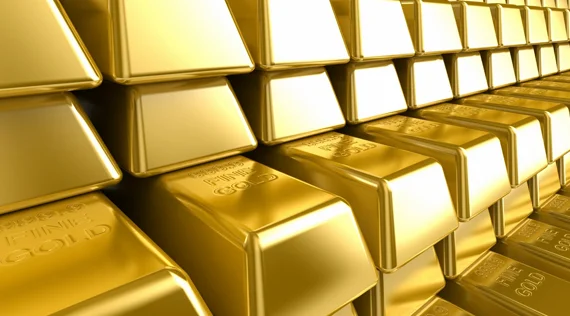
SEATTLE (Scrap Monster): Gold prices came under renewed pressure last week as stronger inflation data, higher bond yields and escalating geopolitical tensions weighed on investor sentiment. The LBMA Gold Price PM fell 0.7% to $4,386 per ounce, reducing its year-to-date gain to 0.5%.
Heightened tensions between the US and Iran pushed crude oil prices higher and revived concerns over persistent inflation. The dip in global inventories is expected to lead to tighter market conditions. Also, the fading demand slowdown witnessed in the second quarter of the year could further limit the market’s ability to absorb supply disruptions.
RELATED NEWS:
Gold Price Stuck at $4400 as Copper and Crude Oil Surge
Gold Prices Under Pressure as Fed Hawkishness Lifts Yields
In the US, August CPI and PPI readings exceeded expectations, strengthening hopes for a Federal Reserve rate increase. Higher Treasury yields and rising 10-year real yields added pressure to gold prices. Meanwhile, global gold ETF inflows slowed and COMEX net-long positions declined.
Markets will closely watch central-bank decisions this week. Investors have largely priced a 25-basis-point Fed hike. The Bank of Japan is also expected to raise rates amid stronger wage growth. Meanwhile, the Bank of England is widely expected to hold rates steady.
Technically, gold faces support around its rising 55-day average at $4,250/oz and the 61.8% Fibonacci retracement near $4,231. A sustained break below $4,231 could expose $4,203 and $4,149, followed by the $4,000-$3,943 zone. Initial resistance stands near $4,402, with $4,538 cited as a key level for a renewed bullish trend.
POLL
What is the key factor currently pressuring gold prices?
Frequently Asked Questions
- Why did gold prices decline last week?
Gold prices came under pressure from stronger-than-expected US CPI and PPI data, higher Treasury yields and rising real yields. Slower gold ETF inflows and reduced COMEX net-long positions also weighed on market sentiment.
- How did geopolitical tensions affect gold and oil markets?
Escalating US-Iran tensions pushed crude oil prices higher and renewed concerns about inflation and potential supply disruptions. These developments complicated the outlook for monetary policy and contributed to volatility in gold markets.
- What are markets expecting from central banks?
Investors have largely priced in a 25-basis-point Federal Reserve rate hike. The Bank of Japan is also expected to raise rates amid stronger wage growth, while the Bank of England is widely expected to leave rates unchanged.