 By
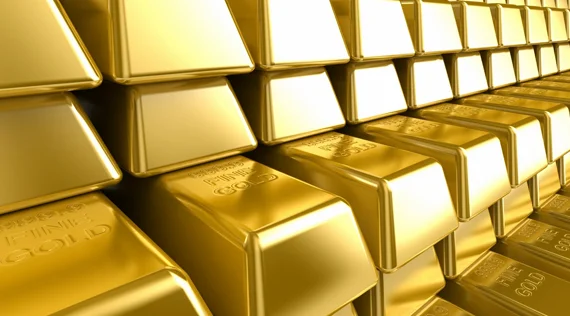
Gold Falls 1.4% as U.S. Inflation Strengthens Fed Rate-Hike Expectations
Gold declined on October 29 after stronger U.S. inflation data reinforced expectations of a December Federal Reserve interest rate increase. Spot bullion fell to $4,008.76 per ounce, while silver, platinum and palladium also weakened.
By Paul Ploumis
Published: October 30, 2026
Market data: October 29, 2026
Key Points
- Gold: Spot prices fell 1.4% to $4,008.76/oz; December futures settled 0.5% lower at $4,031.40/oz.
- U.S. inflation: September PCE prices rose 0.5% month over month, accelerating from 0.3% in August.
- Fed expectations: Traders priced approximately an 80% probability of a December rate increase, according to CME FedWatch data cited by Reuters.
- Other metals: Silver lost 3.5%, platinum declined 3.7% and palladium fell 0.9%.
MONTREAL (Scrap Monster): Gold fell more than 1% on Thursday, October 29, as stronger U.S. inflation data increased expectations of another Federal Reserve interest rate hike before year-end, weighing on demand for the non-yielding precious metal.
Spot gold declined 1.4% to $4,008.76 per ounce as of 2:09 p.m. EDT (1809 GMT). U.S. gold futures for December delivery settled 0.5% lower at $4,031.40 per ounce.
Bullion was heading toward a second consecutive monthly decline.
U.S. Inflation Strengthens Expectations of December Rate Hike
ScrapMonster Edge: Why Gold Is Watching Inflation, Not Just Interest Rates
September's U.S. inflation report revealed an important distinction: headline PCE inflation accelerated to 0.5% month over month, while core PCE held at 0.3%. Headline inflation strengthened, but the underlying monthly measure did not accelerate.
For gold, the concern is how the Federal Reserve responds. Traders were pricing in approximately an 80% probability of a December rate hike, according to CME FedWatch figures cited by Reuters. Higher borrowing costs generally weigh on non-yielding bullion.
Market takeaway: Upcoming inflation releases and shifts in Fed rate expectations will be important signals to monitor. Gold's response will depend partly on whether investors expect monetary policy to become more restrictive.
U.S. inflation accelerated in September as consumers faced higher gasoline and other goods prices, according to data released by the Commerce Department's Bureau of Economic Analysis.
The Personal Consumption Expenditures (PCE) Price Index increased 0.5% month over month, following an unrevised 0.3% rise in August.
The Federal Reserve left interest rates unchanged at its October 28 meeting, as expected. Market attention subsequently shifted to whether persistent inflation would prompt another increase at the December meeting.
According to CME Group's FedWatch Tool, traders were assigning approximately an 80% probability to a December rate hike at the time of the Reuters report.
David Meger, director of metals trading at High Ridge Futures, said persistent above-target inflation was reinforcing expectations of additional monetary tightening. He indicated that the latest PCE report had done little to ease those concerns.
Higher interest rates generally increase the opportunity cost of holding gold, which does not generate interest income.
Energy Prices and U.S. Elections Add to Market Uncertainty
Energy prices remained another focus for precious metals investors because of their influence on inflation expectations.
Meger said developments in the Middle East could affect energy costs and, in turn, influence metals prices through changing inflation expectations.
Investors were also monitoring the November 3 U.S. midterm elections, particularly their potential consequences for fiscal policy and broader financial-market sentiment.
ECB Signals Inflation Risks as Lagarde Announces Departure
In Europe, the European Central Bank maintained its interest rates while warning of increased inflation risks linked to rising energy costs.
The central bank also announced that President Christine Lagarde will step down on February 7, 2027.
The developments added to an international monetary-policy backdrop in which inflation and borrowing costs remained central considerations for financial markets.
Silver Drops 3.5% as Platinum and Palladium Also Decline
The decline extended across other major precious metals:
- Silver: Fell 3.5% to $52.08 per ounce.
- Platinum: Dropped 3.7% to $1,481.75 per ounce.
- Palladium: Slipped 0.9% to $1,001.92 per ounce.
All three metals were on course for a second consecutive monthly decline, reflecting broader weakness across the precious metals market.
Courtesy: www.reuters.com