Medical E-Waste Blueprint Finds Device Reuse Can Cut Environmental Impact Up to 94%
E-waste Recycling | 2026-09-24 10:46:51
An EU-funded circular healthcare project found that reusable ECG lead sets can cut environmental impacts by 81%-94%, while better collection, repair and product design could recover more copper, gold, lithium and other critical materials from growing medical e-waste streams.
 By Paul Ploumis
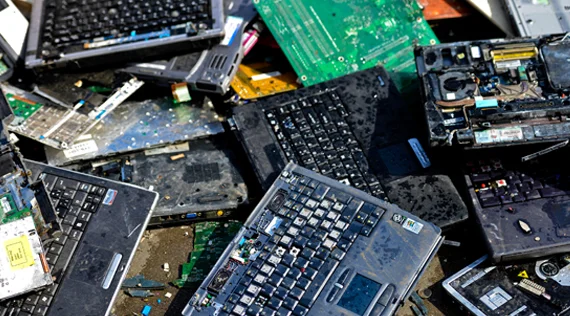
MONTREAL (Scrap Monster): A four-year European research initiative has outlined how digital healthcare devices could move from a largely disposable model toward a circular system built around reuse, refurbishment, repair and materials recovery.
The final findings from the Digital Health in the Circular Economy (DiCE) project show significant opportunities to recover copper, gold, lithium, rare earth elements and reusable electronic components from medical devices that are frequently discarded or incinerated at the end of their useful lives.
The EU-funded project examined the complete lifecycle of digital healthcare products, from design and manufacturing through use, collection, refurbishment, reuse and recycling.
SCRAPMONSTER EDGE
Design changes could dramatically increase the amount of material recovered from some medical electronics. DiCE found that a redesigned powered surgical stapler could achieve potential material recovery of about 90%, compared with approximately 51% today. That represents a 39-percentage-point increase in potential recovery before considering the additional benefits of reuse or refurbishment.
Medical E-Waste Contains Copper, Gold, Lithium and Rare Earths
Digital healthcare is expanding rapidly through products ranging from glucose meters and blood-pressure monitors to hearing aids, wearable sensors, smart pillboxes and powered surgical instruments.
Many of these products contain printed circuit boards, batteries and valuable materials including copper, gold, lithium and rare earth elements.
However, healthcare devices can be more difficult to recirculate than conventional consumer electronics because contamination concerns and medical-device regulations may limit reuse or send products into healthcare waste streams.
DiCE participants said functional components and recyclable raw materials are therefore frequently lost through incineration or improper disposal.
83 Million Medical Wearables Entered Europe's Market
No comprehensive global estimate currently exists for medical e-waste alone, but available data indicate that the waste stream is growing rapidly.
DiCE research estimates that approximately 83 million wearable medical devices were placed on the European market in 2020.
On the current trajectory, the number of medical wearable devices entering the market worldwide could approach 2 billion units annually by 2050.
The wider electronic-waste problem is already substantial. United Nations data show that approximately 62 million metric tons of e-waste were generated globally in 2022, with volumes projected to reach 82 million metric tons by 2030.
Reusable ECG Leads Cut Environmental Impact 81%-94%
Life-cycle assessments carried out through the project found that reuse can produce substantial environmental savings in certain healthcare applications.
Reusable electrocardiogram, or ECG, lead sets reduced environmental impacts by between 81% and 94% compared with disposable alternatives.
Once reuse was introduced, however, the environmental burden shifted. Cleaning and sterilization became the main environmental hotspot, illustrating why the entire healthcare system needs to be considered rather than only the physical device.
System Design Can Matter More Than the Device
One of the project's key findings was that redesigning healthcare delivery systems can sometimes produce greater environmental benefits than redesigning individual electronic products.
Electronic pharmaceutical labels, for example, reduced climate impacts associated with drug manufacturing by approximately 27% because medicines could remain in use when labeling information changed rather than requiring entire batches to be discarded.
Powered electronic surgical staplers reduced the overall climate impact of surgery by about 12%, according to the study. Shorter procedures and hospital stays more than offset the environmental burden associated with the additional electronics.
Smart pillboxes, meanwhile, accounted for only a small portion of the overall environmental footprint of a patient's treatment pathway.
The findings indicate that clinical workflows, logistics and treatment outcomes can be as important as materials selection when measuring the environmental impact of digital healthcare.
Circular Design Begins Before a Device Reaches the Market
Product design is another major focus of the project.
The European Commission estimates that more than 80% of product-related environmental impacts can be determined during the design phase.
Four DiCE medical-device case studies involving clinicians, engineers and users contributed to a five-step Circular Design Guide intended to incorporate circularity into existing product-development processes.
The guide considers issues including cleanability, disassembly, component lifetimes, clinical workflows and traceability.
Tamara Hoveling of Delft University of Technology, lead author of the Circular Design Guide, said the challenge is to extend product life and recover materials while preserving clinical performance and patient safety.
Digital Product Passports Could Improve Material Recovery
The DiCE report recommends a broader redesign of the healthcare product ecosystem rather than relying solely on end-of-life recycling.
Key proposals include:
- designing medical devices for repair, refurbishment, remanufacturing and longer service lives;
- using digital product passports and detailed bills of materials to identify components and critical raw materials;
- expanding collection systems through pharmacies and other trusted locations;
- better aligning medical-device regulation with sustainable-product rules; and
- developing circularity metrics that recognize reuse, repair and lifetime extension in addition to recycling.
More Than 60% Would Return Devices With Convenient Collection
Collection remains one of the largest practical barriers to recovering medical electronics.
DiCE tested consumer return systems with 414 participants in Belgium, Spain and Slovenia.
More than 60% of participants indicated they would return unwanted healthcare devices when convenient collection systems were available.
The project tested pharmacy-based returns, postal systems and dedicated automated collection units.
Twenty-five smart collection machines were deployed in locations including pharmacies, supermarkets, public buildings and healthcare facilities.
The systems used QR codes, cameras and image recognition to register returned devices and create traceable records.
Medical Device Circularity Requires More Than Recycling
DiCE's findings emphasize that circular healthcare cannot depend on recycling alone.
Recovering metals remains important, particularly for devices containing copper, gold, lithium and strategically important materials. However, keeping an entire product or component in service generally preserves more of the economic value already invested in manufacturing it.
The preferred hierarchy therefore moves through longer product life, repair, reuse, refurbishment and remanufacturing before final material recovery.
EU Project Ran for Four Years
DiCE began in October 2022 and concludes in September 2026 under the European Union's Horizon Europe research program.
European Commission records place the project's total cost at approximately €9.21 million, including about €7.73 million in EU funding.
The initiative brought together manufacturers, healthcare organizations, researchers, recyclers and other circular-economy specialists across Europe.
Market Read
For electronics recyclers, the most significant finding is that medical devices represent both a growing waste challenge and an increasingly relevant source of recoverable materials.
But the DiCE work also shows why healthcare electronics cannot simply be treated as another conventional e-scrap stream. Product traceability, contamination controls, patient safety, device regulation and reverse logistics can determine whether a product is suitable for reuse, component recovery or only final materials recycling.
As digital healthcare expands, recyclers able to work with manufacturers and healthcare systems on secure collection, disassembly and traceable materials recovery could become increasingly important to keeping copper, precious metals, batteries and critical raw materials in circulation.
People Also Ask
What is medical e-waste?
Medical e-waste includes discarded healthcare products containing electrical or electronic components, such as blood-pressure monitors, glucose meters, wearable sensors, hearing aids, smart pillboxes and certain powered surgical devices.
What valuable metals are found in medical electronics?
Digital healthcare devices can contain copper, gold, lithium, rare earth elements and other valuable or strategically important materials, depending on the device and its components.
Can medical devices be reused instead of discarded?
Some devices can potentially be reused, refurbished or remanufactured when clinical safety, hygiene and regulatory requirements can be satisfied. DiCE found reusable ECG lead sets reduced environmental impacts by 81%-94% compared with disposable alternatives.
How much e-waste is generated globally?
The UN's Global E-waste Monitor reported 62 million metric tons of electronic waste worldwide in 2022 and projects the total could reach 82 million metric tons by 2030.
How can hospitals improve medical-device recycling?
DiCE recommends better product design, convenient collection systems, digital product information, repair and refurbishment programs, reverse logistics and high-quality recycling for products that can no longer remain in use.
Sources and Methodology
This article was reviewed against final findings released by the Digital Health in the Circular Economy project and WEEE Forum, European Commission CORDIS project records, DiCE pilot results and the UN Global E-waste Monitor.
Courtesy: Waste Today