Global E-Recycling Trade Hit by Growing Regulatory Hurdles, Says BIR
E-waste Recycling | 2026-11-02 05:03:04
He also highlighted US export licensing restrictions covering certain black mass and recovered tungsten shipments.
 By Paul Ploumis
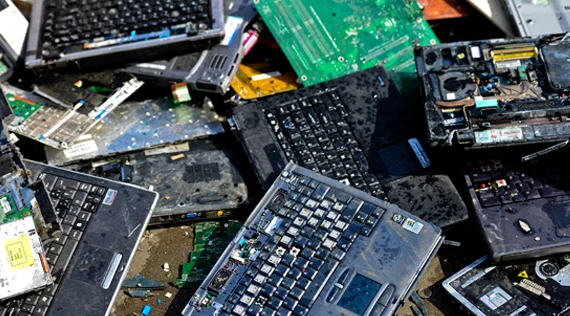
SEATTLE (Scrap Monster): Uncertainties surrounding international waste classifications is emerging as a major obstacle to the global electronics recycling industry, even as demand for recovered critical minerals continues to expand. The issue was highlighted at the Electronics Committee plenary session during the recently held Bureau of International Recycling (BIR) World Recycling Convention in Malaga, Spain, on October 26, 2026.
Chaired by Josephita Harry of Pan American Zinc, the session examined how differences in national regulations affect the movement of recyclable materials, particularly lithium-ion battery-derived black mass.
Aaron Goldberg of Beveridge & Diamond pointed out that countries follow different approaches to determining whether black mass constitutes hazardous waste. For instance, China treats it as hazardous, while China and South Korea consider it as a non-waste material when specified conditions are met. Goldberg noted that these differences reflect national refining capacities and strategic interests, potentially complicating international shipments.
He also highlighted US export licensing restrictions covering certain black mass and recovered tungsten shipments.
Speakers stressed the need to address outdated regulations and inconsistent interpretations.
YOU MAY ALSO BE INTERESTED IN:
BIR Plenary Session to Highlight Global Recovered Paper Market Trends
BIR: EU Waste Rules Could Disrupt Global Metal Recycling
POLL
What is the key regulatory challenge affecting international trade in battery-derived black mass?
Frequently Asked Questions
- What is the major challenge facing the global electronics recycling industry?
Uncertainty over international waste classifications is emerging as a significant challenge. Differences in national regulations governing recyclable materials, particularly lithium-ion battery-derived black mass, are complicating cross-border shipments and limiting the efficiency of global recycling supply chains.
- Why is the classification of battery black mass important?
Black mass contains valuable recovered materials, including critical minerals used in battery manufacturing. Its classification as hazardous waste or a non-waste material determines applicable transportation, export, import and regulatory requirements, directly influencing international recycling and recovery operations.
- What measures are needed to address international electronics recycling challenges?
Industry representatives emphasized the need to modernize outdated regulations and establish more consistent interpretations of waste classifications. Greater regulatory harmonization could simplify cross-border shipments, improve access to recovered critical minerals and support the growth of the global electronics recycling industry.