Tata Steel Nederland, EU Partners Drive Green Steel for EVs
Steel News | 2026-05-11 11:10:06
A key objective is to reduce carbon dioxide emissions by 70% during sheet steel manufacturing.
 By Paul Ploumis

SEATTLE (Scrap Monster): Tata Steel Nederland has joined 12 leading European organizations to launch the CiSMA research project, an initiative focused on producing high-grade steel entirely from recycled scrap for electric vehicles and home appliances.
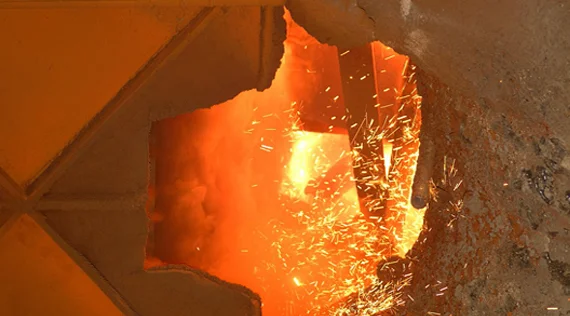
The project, known as Circular Steel for Mass Market Applications (CiSMA), is funded by the European Union’s Horizon Europe program with a €4.5 million budget. It aims to demonstrate that high-performance steel can be manufactured using 100% recycled scrap through Electric Arc Furnace technology without sacrificing quality.
RELATED NEWS:
Tata Steel's Scrap-Based EAF Plant Boosts India's Green Steel Capacity
Tata Steel- USTB Alliance Targets Next-Gen Green Steel Technologies
According to Dr. Radhakanta Rana, the project will strengthen Europe’s circular economy and support Tata Steel’s transition toward greener steelmaking by increasing scrap use in premium steel production.
A key objective is to reduce carbon dioxide emissions by 70% during sheet steel manufacturing. Researchers will also use machine learning and digital modelling to process contaminated scrap and recover valuable materials such as copper that are often lost in conventional recycling.
The project’s findings are expected to improve steel production with 30% to 40% recycled content immediately, even as full-scale 100% scrap production remains limited by raw material availability.
Major industrial partners including Volvo Cars and Electrolux Professional will test the steel’s performance for automotive body parts and industrial equipment applications.
Coordinated by Eurecat, the consortium includes voestalpine and European Steel Technology Platform.
POLL
What is the biggest advantage of CiSMA’s recycled steel initiative?
Frequently Asked Questions
- What is the CiSMA project?
It is an EU-funded initiative to develop premium steel made entirely from recycled scrap for mass-market applications.
- What is the project’s environmental goal?
To reduce carbon dioxide emissions by 70% during steel sheet production.
- When will recycled steel benefits be seen?
Immediate improvements are expected with 30%-40% recycled content, while full 100% scrap production depends on raw material supply.