 By
Nucor HRC Offer Hits $1,330 as AI Demand Tightens U.S. Steel Market
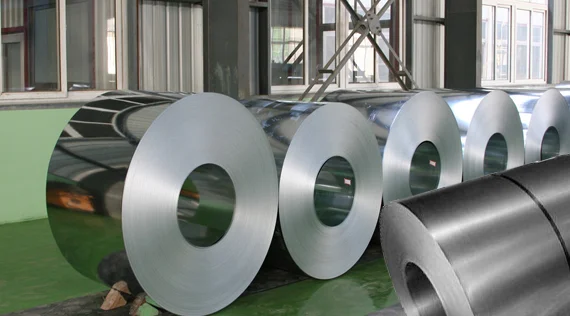
U.S. steel prices continue rising as AI data center construction, tight domestic availability and low inventories pressure the market. Nucor's latest hot-rolled coil offer reached $1,330 per short ton, while Asian imports are attracting renewed buyer interest despite tariffs.
SEATTLE (Scrap Monster): The U.S. steel market is experiencing a sharp increase in prices as artificial intelligence (AI) data center construction adds to demand for steel used in buildings, electrical infrastructure, cooling systems and supporting industrial equipment.
Domestic supply constraints and low inventories have intensified competition for available material, prompting buyers to reconsider imported steel despite elevated U.S. tariffs, according to Bloomberg market reporting published November 24, 2026.
Nucor Corporation (NYSE: NUE) raised its published Consumer Spot Price (CSP) for hot-rolled coil (HRC) by $20 to $1,330 per U.S. short ton for the week beginning November 23. The increase extended a prolonged series of weekly price increases.
The quoted level is a producer-announced offer rather than a market-wide transaction average. Nevertheless, it provides a clear indication of the upward pressure affecting U.S. flat-rolled steel pricing.
AI Data Centers Add Pressure to U.S. Steel Supply
Data center development is becoming an increasingly important source of steel demand, extending beyond the buildings themselves to electrical substations, power distribution facilities, ventilation systems and supporting infrastructure.
Wells Fargo analyst Timna Tanners described intense competition for available steel tonnage, with domestic mills reportedly reducing some supply commitments extending into 2027.
Citigroup analyst Alexander Hacking also identified low customer inventories, data center construction and seasonal restocking as contributing factors behind the tightening market.
Delivery schedules reflect the pressure. While Nucor's published hot-rolled coil lead times remain approximately three to five weeks, other sheet and plate products face longer delivery schedules, with some mill availability extending into early 2027.
The differences underline the importance of product specifications, supplier availability and purchasing arrangements when assessing steel delivery times.
Asian Steel Imports Gain Interest Despite Tariffs
Higher domestic steel prices are also improving the relative competitiveness of certain imported products.
Although Section 232 tariffs of up to 50% apply to many covered imported steel products, subject to applicable country-specific arrangements and exceptions, some overseas suppliers remain commercially competitive after accounting for duties and freight.
Jefferies analyst Albert Realini estimated that certain imported steel products could remain nearly $400 per ton cheaper than comparable U.S. material, according to Bloomberg reporting.
Data from the American Iron and Steel Institute (AISI) indicate that South Korea remained the largest foreign steel supplier during the first ten months of 2026, with approximately 3.9 million net tons recorded in the year-to-date import tally, up 68% from the corresponding period of 2025.
Vietnam's October steel import permit applications reached 213,000 net tons, increasing 119% from September's finalized import volume and placing the country fourth among suppliers by October permit tonnage.
However, the broader import picture was less uniform. Total U.S. steel import permit and reported-arrival tonnage declined approximately 6% year-on-year through October, while finished steel imports decreased 10%.
The figures indicate that stronger shipments from selected Asian suppliers are occurring alongside lower overall U.S. steel imports.
Domestic Steel Output Rises but Spot Availability Remains Tight
U.S. steelmakers have increased production, although higher output has not eliminated supply constraints across all steel products.
AISI reported that domestic raw steel production reached 1.928 million net tons during the week ended November 21, 2026, representing an 11.6% year-on-year increase and a 2.2% advance from the preceding week.
Capacity utilization reached 83.5%, compared with 75.4% during the corresponding week of 2025.
Despite stronger production, scheduled maintenance, limited spot availability and existing supply commitments have continued to complicate purchasing for some steel buyers.
Meanwhile, U.S. producers have raised concerns about Asian imports. In September, a coalition of American steel industry organizations requested federal action to investigate rapidly increasing South Korean steel shipments.
The group urged authorities to evaluate import trends and ensure that existing trade measures remain enforceable.
Steel Buyers Face Pricing and Inventory Risks Heading Into 2027
The combination of elevated domestic offers, restricted spot availability and continued infrastructure investment is creating difficult purchasing conditions for steel service centers and manufacturers.
Import competition could provide additional supply where overseas pricing remains attractive. However, tariff exposure, transportation costs and delivery schedules will influence the economics of those purchases.
For domestic buyers, inventory management remains another important consideration. Purchasing additional material may help protect production schedules during shortages, but it can also increase exposure if steel prices subsequently weaken.
The timing of new mill capacity, changes in customer demand and the direction of international trade flows will remain important considerations for the U.S. steel market heading into 2027.
ScrapMonster Industry Edge: Higher Steel Prices Do Not Automatically Mean Higher Scrap Prices
Nucor's $1,330-per-short-ton HRC offer reflects tight finished-steel availability, but finished-steel pricing and ferrous scrap buying prices are different markets. Meanwhile, South Korean imports increased 68% year to date even as overall U.S. steel imports declined 6%.
Industry Takeaway: Scrap suppliers should monitor electric arc furnace utilization, regional mill purchasing and raw-material inventories alongside finished-steel prices. Stronger HRC offers can support mill economics without guaranteeing immediate increases in ferrous scrap demand or buying prices.
Market Data Note: Hot-rolled coil Consumer Spot Prices are producer-announced offers in U.S. dollars per short ton (2,000 pounds). AISI October import figures combine finalized earlier-month arrivals with preliminary October permit data and should not be interpreted as final customs import volumes.
Courtesy: finance.biggo.com