 By
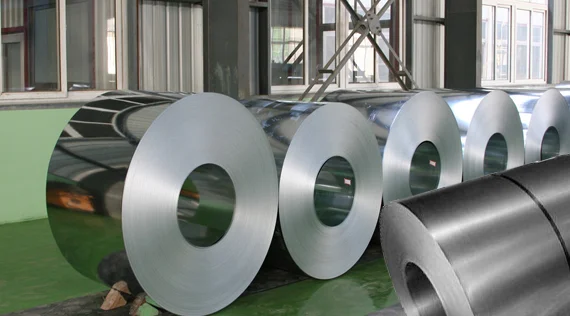
Mexico Removes 1,100 Steel Mill Registrations as U.S. Tariff Talks Continue
Mexico has tightened steel import controls and removed approximately 1,100 mill registrations as it seeks to prevent third-country shipments from using its preferential access to the U.S. market. The measures come as Mexico negotiates relief from American steel, aluminum and automotive tariffs.
By Paul Ploumis | Published November 11, 2026 | Reporting: Reuters
Key Points
- Steel import controls: Mexico removed approximately 1,100 mill registrations after authorities identified nonexistent facilities, many listed in Asia.
- Vietnam shipments: Mexican officials reported an 80% decline in steel imports from Vietnam in some recent months.
- Third-country imports: Steel and aluminum imports from countries including China, South Korea and India declined approximately 30%, equivalent to 13 billion pesos (US$698.54 million).
- Tariff negotiations: Mexico is prioritizing relief from U.S. Section 232 tariffs affecting steel, aluminum and automobiles.
MONTREAL (Scrap Monster): Mexico has strengthened controls on steel imports from China and other countries to prevent shipments from being routed through Mexican territory into the United States under preferential North American trade arrangements, according to Reuters reporting on November 11, 2026.
Luis Rosendo Gutierrez, Mexico's deputy economy minister for foreign trade, said the government had tightened product traceability measures to prevent steel and other goods from improperly benefiting from the United States-Mexico-Canada Agreement (USMCA).
Steel has become a sensitive issue in bilateral trade discussions, with Washington seeking to prevent Chinese goods and inputs from reaching the U.S. market through third countries.
Gutierrez said Mexico was working to ensure that steel and other products could not use the trade agreement to circumvent U.S. import restrictions.
Mexico Removes 1,100 Steel Mill Registrations
Mexican authorities removed approximately 1,100 steel mill registrations from the country's approved registry after determining that the listed facilities did not exist. Many of the registrations were associated with Asian suppliers.
Gutierrez said the enforcement measures had contributed to an 80% reduction in steel imports from Vietnam in some recent months.
Mexico also reported a reduction of approximately 30% in steel and aluminum imports from third countries, including China, South Korea and India. The decrease represented about 13 billion Mexican pesos, equivalent to approximately US$698.54 million.
ScrapMonster Edge: Steel Origin Verification Becomes Central to Trade Talks
Mexico's enforcement measures address supply-chain traceability, while its negotiations with Washington focus on tariff relief. Removing invalid mill registrations may help authorities identify the actual producers behind imported steel, but the reported import reductions do not independently establish the extent of tariff circumvention.
Industry takeaway: For steel buyers, processors and cross-border suppliers, verified mill identity, product origin and eligibility for preferential trade treatment remain important considerations. The enforcement measures should not be interpreted as an announced reduction in U.S. Section 232 duties.
Section 232 Tariff Relief Remains Mexico's Priority
Gutierrez said Mexico's immediate priority was reducing the impact of U.S. Section 232 tariffs on steel, aluminum and automobiles, rather than concentrating on a broader review of the USMCA.
He noted that approximately 80% of Mexican exports to the United States already enter tariff-free.
According to Gutierrez, U.S. officials had responded positively to proposals presented by Mexican Economy Minister Marcelo Ebrard. Mexico was hoping for progress in the negotiations before the end of 2026, although no new tariff agreement had been announced.
Analysts Distinguish Transshipment From Manufacturing
Some analysts dispute the characterization of Mexico as a major hub for steel transshipment, in which goods pass through an intermediary country before reaching their final market, potentially to avoid tariffs.
A report published in October by the Washington-based Center for Strategic and International Studies (CSIS) noted that certain goods undergo substantial processing in Mexico before being exported to the United States, rather than merely passing through the country.
The distinction is significant to the trade debate because product origin, domestic processing and compliance with preferential trade rules are separate questions from the movement of goods across borders.
Courtesy: www.reuters.com