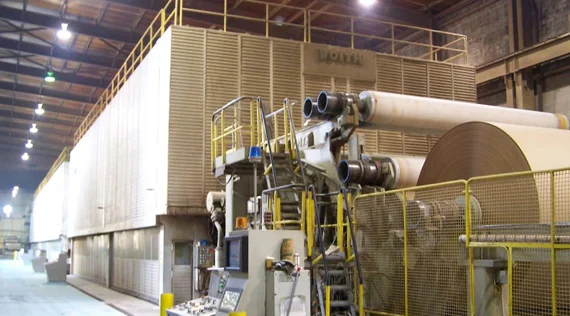
Weyerhaeuser strengthens timber portfolio as housing demand supports long-term outlook
Rubber and Wood | 2026-07-06 06:13:51
The company’s role in the broader U.S. market is also shaped by its status as a real estate investment trust, or REIT, for federal tax purposes.
 By Paul Ploumis
SEATTLE (Scrap Monster): Weyerhaeuser Co. (ISIN US9621661043) is one of the largest private owners of timberlands in North America, and its business remains closely tied to the health of the U.S. housing and construction markets. The company manages millions of acres of timberlands and operates wood products facilities that supply lumber, engineered wood and related materials to builders and industrial customers. For investors, the linkage between wood demand, housing starts and the company’s cash flow is a central theme.
As a long-established participant in the forest products sector, Weyerhaeuser generates revenue primarily from harvesting and selling logs, manufacturing wood products such as dimension lumber and oriented strand board, and monetizing portions of its land holdings through real estate and energy-related activities. The company has structured its operations to balance sustainable forest management with commercial returns, replanting harvested areas and managing growth cycles to support long-term yield. This combination of timber ownership and manufacturing assets positions the company to benefit when construction activity and renovation spending rise.
The company’s role in the broader U.S. market is also shaped by its status as a real estate investment trust, or REIT, for federal tax purposes. By meeting REIT requirements that emphasize income distribution and real estate-related activity, Weyerhaeuser returns a significant portion of its distributable cash to shareholders via dividends while continuing to invest in forest management, mill efficiency and selective growth projects. This REIT structure makes the stock a hybrid between a cyclical industrial name and an income-oriented vehicle, which can appeal to both growth and income investors depending on the phase of the building cycle.
Timberlands and sustainable forestry
Weyerhaeuser’s core timberlands business centers on growing and harvesting trees across its sizable land base. These assets are managed on a long rotation, with stands planted, thinned and harvested over multiple decades. The company typically sells logs into regional markets, where pricing is affected by local supply, transportation, and demand from sawmills and export buyers. By owning timberlands outright rather than relying solely on third-party supply, Weyerhaeuser can adjust harvest volumes over time to respond to market conditions while maintaining sustainable practices.
Sustainability is embedded in the management of these forests. Replanting after harvests, protecting wildlife habitats and following certification standards are important not only for regulatory compliance but also for maintaining social license and customer relationships. Many downstream customers, including homebuilders and retailers, place growing emphasis on responsible sourcing of wood products. A large, professionally managed timber portfolio allows Weyerhaeuser to serve this demand while also sequestering carbon in standing trees and harvested wood, which can be increasingly relevant as policy and market mechanisms around climate evolve.
Wood products and exposure to construction cycles
Beyond timberlands, Weyerhaeuser operates a network of mills that convert logs into wood products used in residential and commercial construction. These facilities produce items such as lumber, oriented strand board, plywood and engineered wood components that form the structural backbone of many buildings. Demand for these products is influenced by new home construction, repair and remodeling activity, and broader economic conditions that shape investment decisions in the built environment.
Because wood products pricing tends to be cyclical, Weyerhaeuser’s earnings and cash flow can fluctuate with changes in benchmark lumber and panel prices. During periods of strong housing demand, limited capacity and high utilization can support firmer pricing and margins. In softer periods, the company may focus more on cost control, operational efficiency and capital discipline. Over cycles, the combination of timber ownership and manufacturing capabilities can help the company capture value from both upstream and downstream segments of the wood supply chain.
Real estate and land value monetization
In addition to timber and manufacturing operations, Weyerhaeuser derives value from portions of its land base that are better suited to development, conservation or energy uses than to long-term forestry. The company evaluates tracts of land for potential sale or conversion based on their location, infrastructure access and market interest. This can include selling parcels for residential or commercial development, arranging conservation deals, or granting rights for energy and natural resources projects.
These activities can generate intermittent but sometimes meaningful gains alongside the more regular income from timber and wood products. They also highlight the embedded real estate optionality in Weyerhaeuser’s portfolio, as certain holdings near growing urban or suburban areas may command higher values than purely forestry-focused tracts. Managing this part of the business involves balancing near-term transaction opportunities with long-term stewardship of the land base.
Representative product and applications
A representative output of Weyerhaeuser’s operations is the structural lumber and engineered wood used in framing houses and light commercial buildings. These products are cut, graded and often engineered to meet specific performance standards, allowing builders to construct floors, walls and roofs that are strong, reliable and efficient. The company’s ability to supply large volumes of standardized and specialty wood products supports its relationships with building materials distributors and contractors who depend on consistent quality and availability.
Courtesy: www.ad-hoc-news.de