Lumber Prices Poised for Sharp Increase by Mid-2026 Amid U.S. Trade Barriers
Rubber and Wood | 2025-11-13 12:09:32
Excessive tariffs coupled with persistent duties under the US Trade Law will continue to penalize Canadian producers, thus discouraging imports.
 By Paul Ploumis

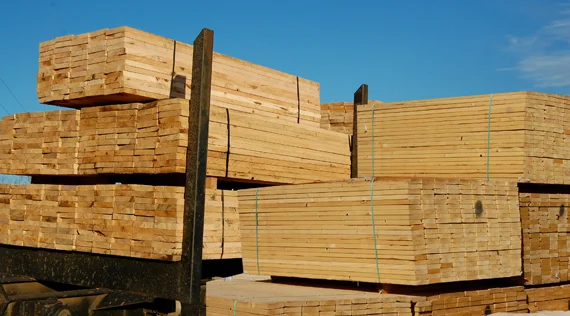
SEATTLE (Scrap Monster): Global lumber markets are bracing for a major price surge by the second quarter of 2026, according to a new outlook from Russ Taylor, President of Russ Taylor Global. The expected spike will largely stem from ongoing trade restrictions and tariffs imposed by the United States on Canadian lumber imports, which continue to disrupt cross-border trade flows.
Taylor noted that the countervailing and anti-dumping duties enforced under U.S. trade laws are likely to persist, further tightening lumber supply in the domestic market. With reduced inflows from Canada — traditionally a key supplier — American homebuilders, contractors, and consumers could face significantly higher lumber costs in the months ahead.
RECOMMENDED ARTICLES:
NAHB releases state-level analysis of Canadian softwood lumber trade
Tariffs Drive Up Cost of Canadian Softwood Lumber Imports
While these protectionist measures may enhance profitability for U.S. timberland owners and lumber producers, they come at a steep cost to buyers. Canadian producers, burdened by elevated tariffs and trade penalties, are expected to curtail exports, worsening supply constraints.
The U.S. government has reportedly set a long-term goal of slashing Canada’s share of the U.S. lumber market from approximately 23% to single digits. Achieving this target would require a substantial increase in U.S. domestic production — a shift that Taylor believes is unlikely in the near term. As demand continues to climb, the U.S. will still depend heavily on imports, pushing lumber prices even higher by mid-2026.
Overall, the report suggests that ongoing trade frictions and limited production capacity could trigger another round of global lumber price inflation, affecting construction costs and housing affordability across North America.
POLL
How do you think U.S. trade restrictions on Canadian lumber will impact global prices in 2026?
Frequently Asked Questions
- What is the forecast for global lumber prices in 2026?
Global lumber prices are expected to surge by the second quarter of 2026, driven by ongoing U.S. trade barriers and limited supply from Canada.
- What factors are causing the expected price increase?
Persistent U.S. tariffs and anti-dumping duties on Canadian lumber imports are restricting supply, leading to higher domestic prices in the United States.
- Who will benefit from these trade measures?
U.S. timberland owners and domestic lumber producers may see higher profits due to reduced competition from Canadian suppliers.