Catalyst Paper Corp. and Kruger, Inc. Among the Worst Hit by U.S. Lumber Duties
Rubber and Wood | 2018-05-03 07:52:05
Dias warned that the hefty duties may even lead to closure of Kruger mills.
 By Paul Ploumis
SEATTLE (Scrap Monster): More than one thousand jobs are at risks at paper mills in Quebec, Newfoundland and British Columbia, thanks to anti-dumping and countervailing duties imposed on Canadian lumber by the U.S. administration, says Jerry Dias, Unifor’s national President. Among the companies operating in Canada, Catalyst Paper and Kruger, Inc have been hit the most.
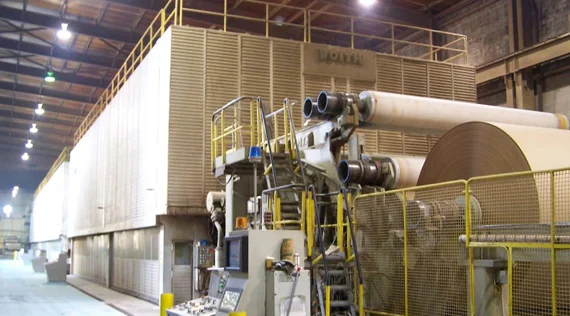
Catalyst Paper owns and operates paper mills in Crofton, Powell River and Port Alberni, employing more than 1,600 people in the entire B.C province. In March this year, the U.S. Department of Commerce had imposed a preliminary duty of 22% on the company’s newsprint exports to the U.S. This was on top of the previously levied preliminary countervailing duty of 6%, thereby bringing the total duties to 28%.
This came as a heavy burden on the company, which was already struggling from rising power costs and carbon taxes. As per estimates, the company pays approximately $10 million per year in carbon tax. The hike in taxes by $5 per tonne effective April this year will result in an additional burden of $1.5 million per year. The steady decline in demand for newsprint and other paper products have made things even worse for the company. Catalyst CEO Ned Dwyer termed the tariffs as unwarranted. Further, he noted that the company will engage with the B.C administration in fighting the hefty duties.
Dias warned that the hefty duties may even lead to closure of Kruger mills.
Further, the Unifor national President suggested that provincial and federal governments should do the needful to cover the cost of duties for Catalyst Paper and Kruger, Inc. In addition, the Canadian provinces must come up with retaliation measures against the U.S. For instance, Quebec should think about increasing the price of electricity exports to the U.S. Also, B.C could place restrictions on thermal coal exports to the U.S through provincial ports.