U.S. PET Industry Targets 57% Emissions Reduction by 2050: NAPCOR
Plastic Recycling | 2026-09-16 06:02:48
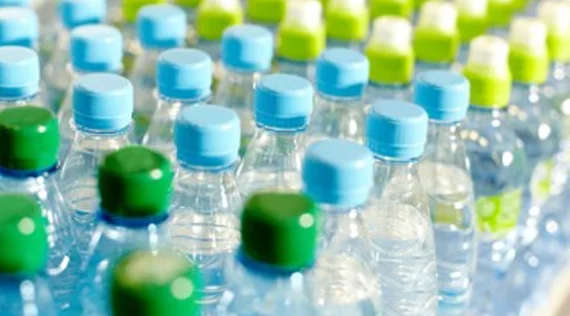
The analysis covers 16.9-ounce water bottles and 16.9-ounce, 20-ounce, and 2-liter carbonated soft drink bottles.
 By Paul Ploumis
SEATTLE (Scrap Monster): The U.S. PET packaging industry could substantially reduce its environmental footprint over the next three decades while continuing to expand production, according to a new decarbonization roadmap released by the National Association for PET Container Resources (NAPCOR).
Developed by independent environmental consultancy Eastern Research Group (ERG), the roadmap expects the life cycle greenhouse gas emissions intensity from major PET beverage bottle systems to fall by approximately 57% by 2050. Despite expected production growth, annual emissions could decline by about 42%.
The analysis covers 16.9-ounce water bottles and 16.9-ounce, 20-ounce, and 2-liter carbonated soft drink bottles.
ALSO READ:
NAPCOR: North American PET Collection Remains Above Global Benchmark
NAPCOR Signals Surge in PET Thermoform Recycling
The roadmap indicates that reductions could begin well before 2050. Emissions intensity for the 16.9-ounce water bottle system could decrease by about 44% by 2035 from its 2023 baseline. The three carbonated soft drink systems could achieve reductions ranging from approximately 35% to 43%.
According to NAPCOR, lightweighting, renewable energy and manufacturing efficiency could deliver near-term gains. Improved collection and sorting mechanisms, expanded recycling capacity and higher recycled PET content could provide additional reductions over time.
The roadmap highlights the importance of coordinated action across the PET value chain in order to achieve the projected emissions reductions.
POLL
Which measure could provide longer-term emissions reductions for the PET packaging industry?
Frequently Asked Questions
- How much could PET packaging emissions intensity decline by 2050?
The NAPCOR roadmap projects approximately a 57% reduction in life-cycle greenhouse gas emissions intensity for major PET beverage bottle systems by 2050, compared with the relevant baseline.
- Could total PET packaging emissions decline despite higher production?
Yes. The roadmap estimates that annual greenhouse gas emissions could fall by approximately 42% by 2050, even as PET packaging production continues to expand.
- What measures could reduce PET packaging emissions?
Key measures include lightweighting PET containers, increasing renewable energy use and improving manufacturing efficiency. Expanded collection and sorting, greater recycling capacity and higher recycled PET content are expected to support longer-term reductions.