Honda Commits to Increased Use of Recycled Materials
Waste & Recycling | 2018-09-19 07:55:23
During the recycling process, fabrics are collected and shredded to separate the fabric into individual fibers. Those fibers are then treated with a flame-retardant material and compressed into an insulation-type material.
 By
By SEATTLE (Waste 360): Product development engineers at Honda’s Research and Development facility in Raymond, Ohio, have a long history of using recycled post-industrial scrap material as insulation and sound-deadening materials in Honda and Acura products.
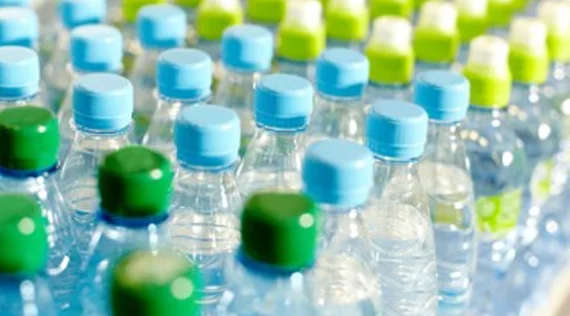
More than a decade ago, engineers introduced basalt (volcanic rock) into the roof liner of the 2007 Acura MDX to deliver the necessary balance of strength and weight, explains Robert Proctor, manager of the materials research division at Honda R&D Americas, Inc. Previously, engineers also developed a soybean-based foam that is used in vehicle headrests, and, most recently, they have incorporated recycled plastic bottles as the PET component of the seat material on the 2019 Acura RDX.
Additional materials Honda engineers have developed include:
- 2,800 tons (5.6 million pounds) of post-industrial textile waste—blue jeans and towels included—into hood and dashboard insulation
- recycled plastics as seat fabric on the 2018 Acura RDX
- plant-based starches used on seats in the Clarity vehicles
During the recycling process, explains Proctor, fabrics are collected and shredded to separate the fabric into individual fibers. Those fibers are then treated with a flame-retardant material and compressed into an insulation-type material.
“Each insulator is then applied as an individual part to the interior or exterior of the vehicle, giving a second life to the recycled materials,” says Proctor.
According to Raminta Jautokas, manager of corporate sustainability at American Honda, the company factors the environmental impact of its operations into all facets of the business.
Over the past 10 years, Jautokas says Honda’s manufacturing plants have consistently improved many of its environmental processes in order to reduce energy use, waste, water usage and chemical releases.
The processes discussed thus far are specific to North America, according to Jautokas, but the company has various global targets for environmental performance, including:
- A 30 percent reduction in the global average CO2 emissions intensity by 2020 of Honda automobiles, motorcycles and power equipment products, compared with fiscal year 2001 levels.
- In 2016, Honda announced an initiative to rapidly advance the deployment of electrified vehicle technology and has stated its intention to have two-thirds of its global sales from electrified vehicles by 2030.
- In 2015, Honda announced a goal to halve its total company CO2 emissions levels as measured against a fiscal year 2000 baseline.
Courtesy: https://waste360.com