Colorado Leaders Seek Alternatives for Larimer Landfill
Waste & Recycling | 2018-01-17 06:49:50
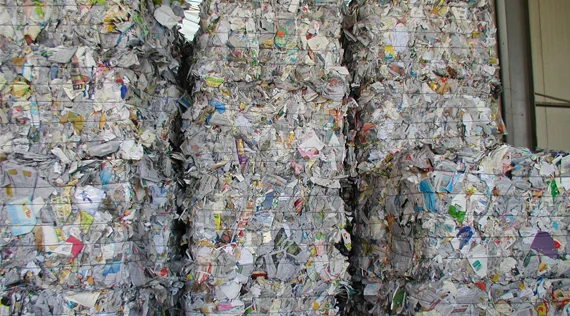
The 53-year-old Larimer County Landfill will close by 2025. By that point, Fort Collins leaders hope the city will be in the home stretch of its mission to send no waste to landfills, which will mean nearly doubling the city’s 2016 landfill diversion rate.
 By
By SEATTLE (Waste Advantage): 2018 will be the year Larimer County decides what to do with its trash once the county landfill reaches sunset.
The 53-year-old Larimer County Landfill will close by 2025. By that point, Fort Collins leaders hope the city will be in the home stretch of its mission to send no waste to landfills, which will mean nearly doubling the city’s 2016 landfill diversion rate.
Northern Colorado leaders will recommend a path forward in April after years of planning, Fort Collins staff said at a City Council work session Tuesday night.
“We’re really at a special point in time,” Fort Collins environmental planner Honore Depew said at the work session. “The only publicly owned landfill in Northern Colorado will be closing in a little more than half a decade, and the outcomes of this project will determine how materials are managed throughout the region for decades to come.”
Construction of new facilities should take place between 2020 and 2025. Officials could go with any combination of nearly a dozen options for waste disposal, ranging from a one-stop garbage transfer station to futuristic facilities that turn trash into fuel.
What we do with our trash is an important environmental issue because organic waste in landfills produces large amounts of greenhouse gases, carbon dioxide and methane. The Larimer County Landfill is the third-largest polluter in the county, behind Rawhide Energy Station and Broadcom (formerly Avago Technologies).
A group of staff and officials from Fort Collins, Loveland, Larimer County and Estes Park — dubbed the North Front Range Wasteshed Coalition — will put out a final report this year delving into the pros and cons of nearly a dozen trash options. The final decision will be up to elected officials, who will figure out how to fund the selected projects next year.
Here are the trash options being considered, sorted by staff in order from most feasible to least feasible. Leaders decided which projects are most doable based on construction and trash hauler costs, time frame and cost-to-benefit ratio, but they’re not finished reviewing feasibility yet.
Courtesy: https://wasteadvantagemag.com