Chinese buyers spark bidding war for US tungsten scrap
Scrap Prices | 2026-06-09 15:11:00
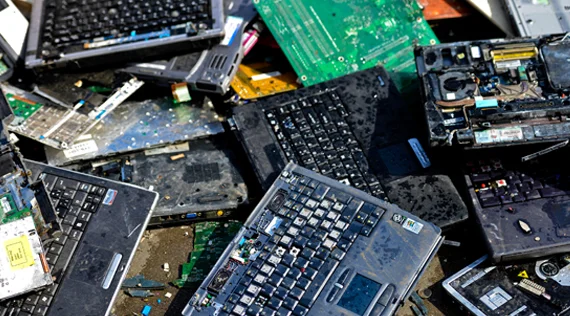
Chinese buyers have been seeking tungsten from scrapyards across the US, leading to record-breaking prices as competition heats up in the global race to secure supplies of the critical mineral, according to the Financial Times.
 By
By 
- Chinese traders are aggressively sourcing tungsten scrap from US yards, pushing prices to record levels.
- Scrap prices have surged about 350% since May 2025, outpacing a roughly 200% rise in tungsten metal prices.
- Domestic US recyclers report being outbid, with some dealers offered up to five times normal market prices.
- China restricts tungsten scrap imports but can process material abroad in hubs such as the Philippines, Taiwan, Vietnam and South Korea.
- Washington is prioritising tungsten supply security, including possible support of up to $1.6 billion for a mine project in Kazakhstan.
Chinese Buyers Target US Scrap as Shortages Bite
A recent Financial Times report reveals that Chinese scrap traders have been actively pursuing tungsten supplies in the United States since early 2025, capitalising on a global shortage caused by declining mine output and strong demand from the aerospace, defence and industrial tooling sectors.
China currently dominates global supply of the metal, accounting for more than half of worldwide mined and refined production. However, in recent years Beijing has capped tungsten output with mined quotas, forcing domestic users to seek additional material overseas.
Tungsten Scrap Prices Surge on Bidding Wars
This wave of Chinese buying, according to industry insiders cited by the FT, has sparked bidding wars for tungsten scrap in the United States, driving up prices for the critical mineral.
Market data from Argus Media shows that scrap prices have surged around 350% since May 2025, even surpassing the roughly 200% increase for tungsten metal. In late April, prices of ammonium paratungstate climbed to an all‑time high.
US Recyclers Face Intense Competition
Industry participants told the newspaper that Chinese buyers have approached long‑standing US suppliers directly, frequently outbidding domestic recyclers for available scrap.
Some dealers reported being offered premiums of up to five times normal market prices, underscoring the urgency with which Chinese firms are attempting to secure feedstock.
Offshore Processing Workaround for Chinese Firms
While China has prohibited the import of tungsten scrap for environmental reasons, Chinese companies can still process the metal abroad and then import the resulting permitted products.
Citing data from critical minerals consultancy Project Blue, the FT reported that exports of tungsten scrap from the US to recycling hubs such as the Philippines, Taiwan, Vietnam and South Korea have increased this year, although it could not confirm whether the processed materials were ultimately redirected into China.
Tungsten Emerges as a Strategic Metal
The rush for US tungsten scrap coincides with export controls that China imposed last year on several related products as part of efforts to leverage its market dominance.
These controls have elevated tungsten as a strategic priority for Washington, given the metal’s use in armour‑piercing ammunition, missiles, cutting tools and mining equipment.
US Looks to Diversify Supply Away from China
Last year, the FT reported that the US government is considering support of up to $1.6 billion for a planned tungsten mine in Kazakhstan, as part of broader efforts to diversify supply chains away from China.
Such initiatives are intended to reduce reliance on Chinese supply, strengthen resilience in critical minerals, and provide alternative sources of tungsten for Western manufacturers.
US Tungsten Scrap & Chinese Buying – PAA
Why are Chinese buyers targeting US tungsten scrap?
Chinese buyers are seeking additional tungsten feedstock amid constrained domestic mine output, strong demand from high-tech industries and export controls on related products.
How much have tungsten scrap prices increased?
According to Argus Media data cited by the FT, US tungsten scrap prices have risen about 350% since May 2025, outpacing gains in tungsten metal prices.
How are US recyclers affected by Chinese demand?
Domestic recyclers report being outbid by Chinese traders, with some dealers offered up to five times normal market prices for scrap.
Can China import tungsten scrap directly?
China bans direct imports of tungsten scrap for environmental reasons but can process the metal in third countries and then import allowed forms of the material.
What is the US doing to secure tungsten supplies?
The US is exploring support of up to $1.6 billion for a tungsten mine in Kazakhstan and other measures to diversify supply chains away from China.